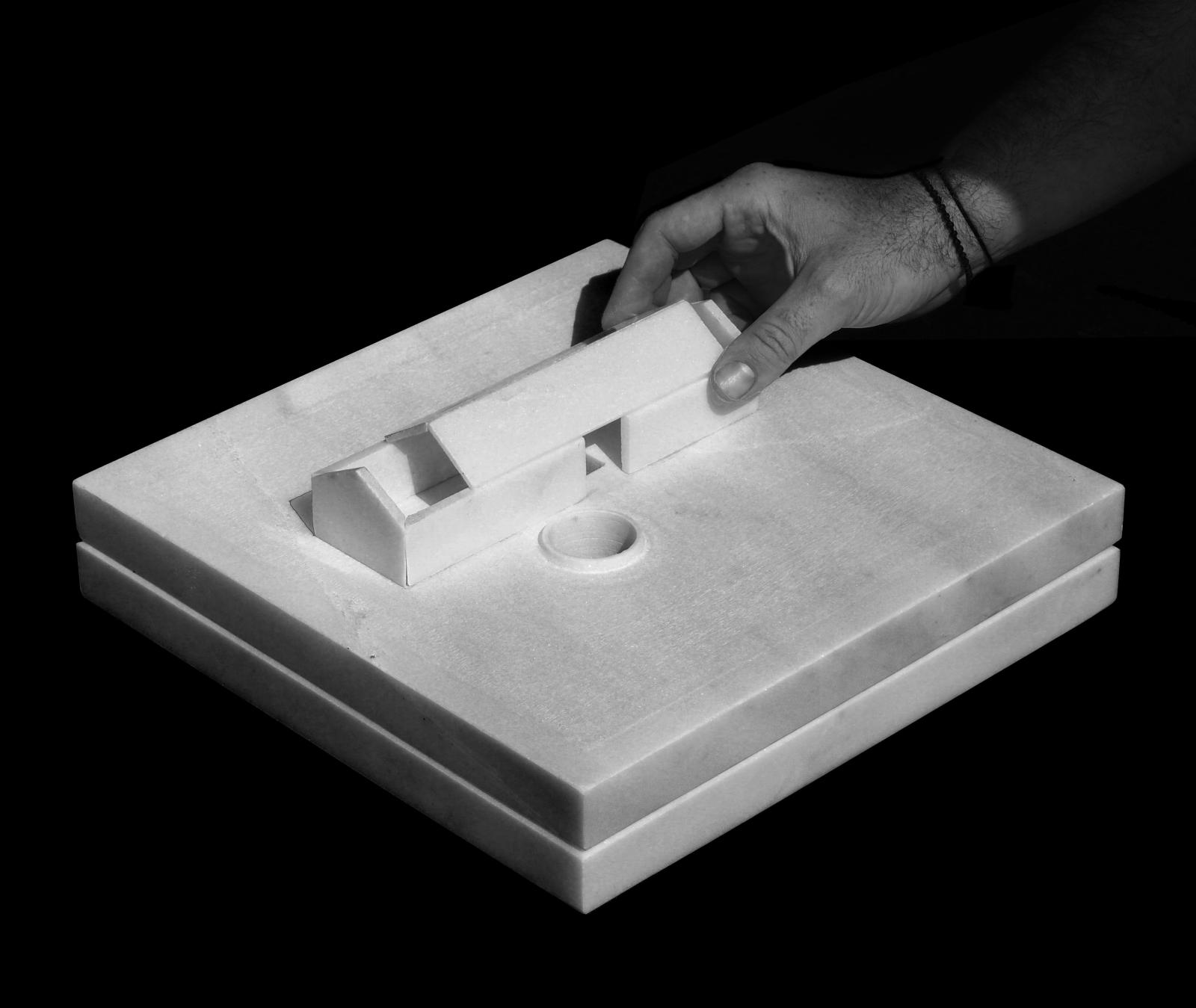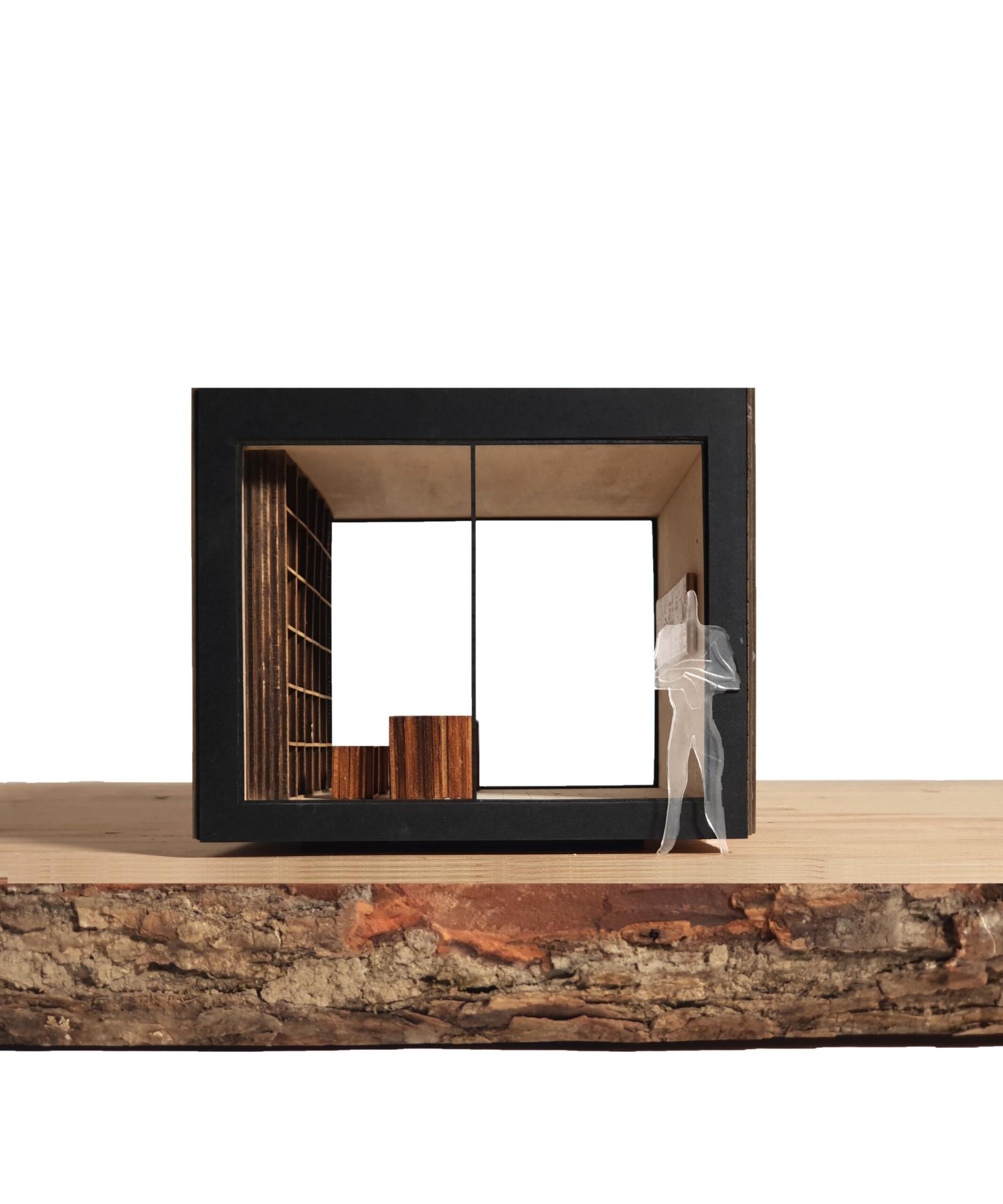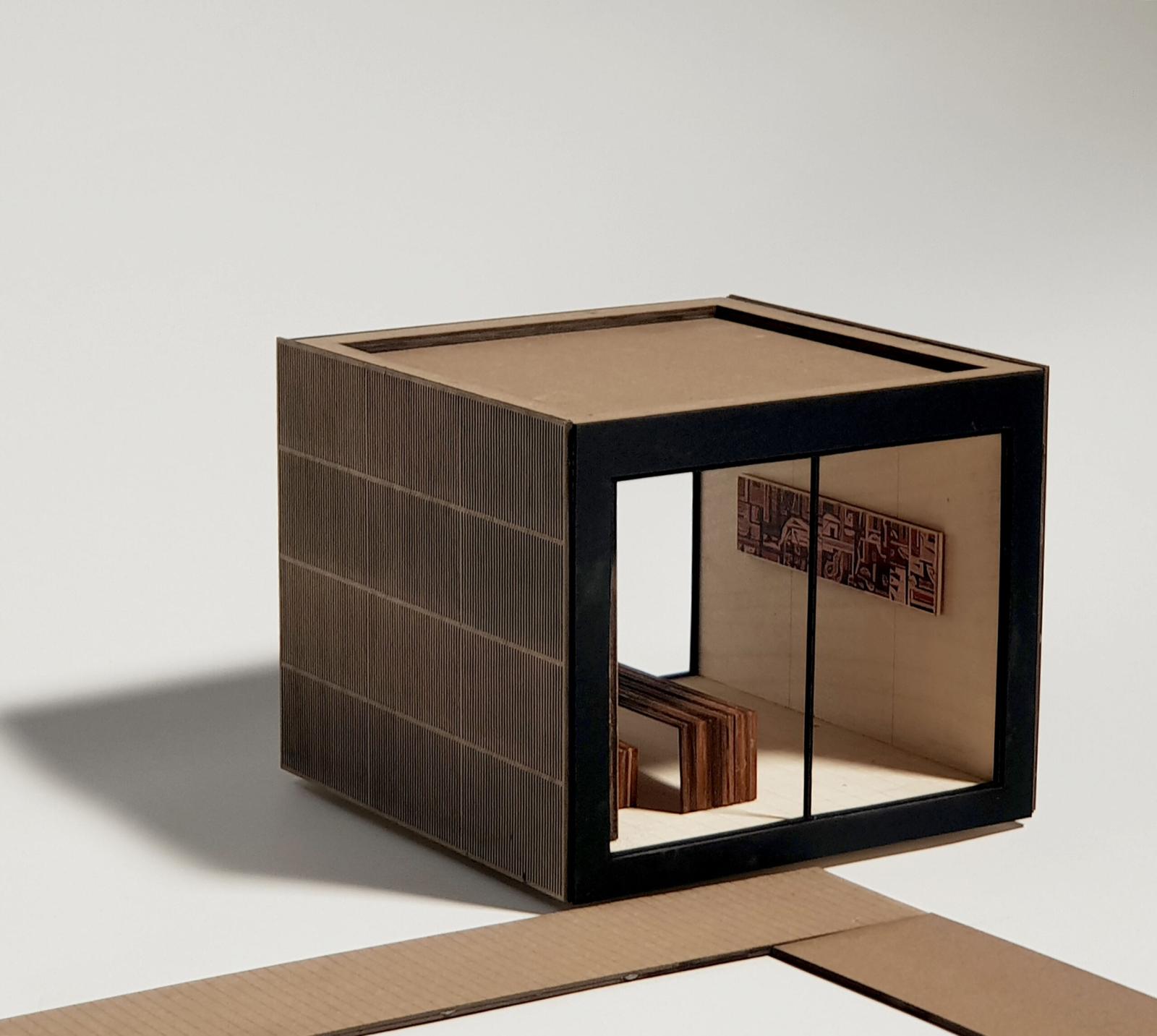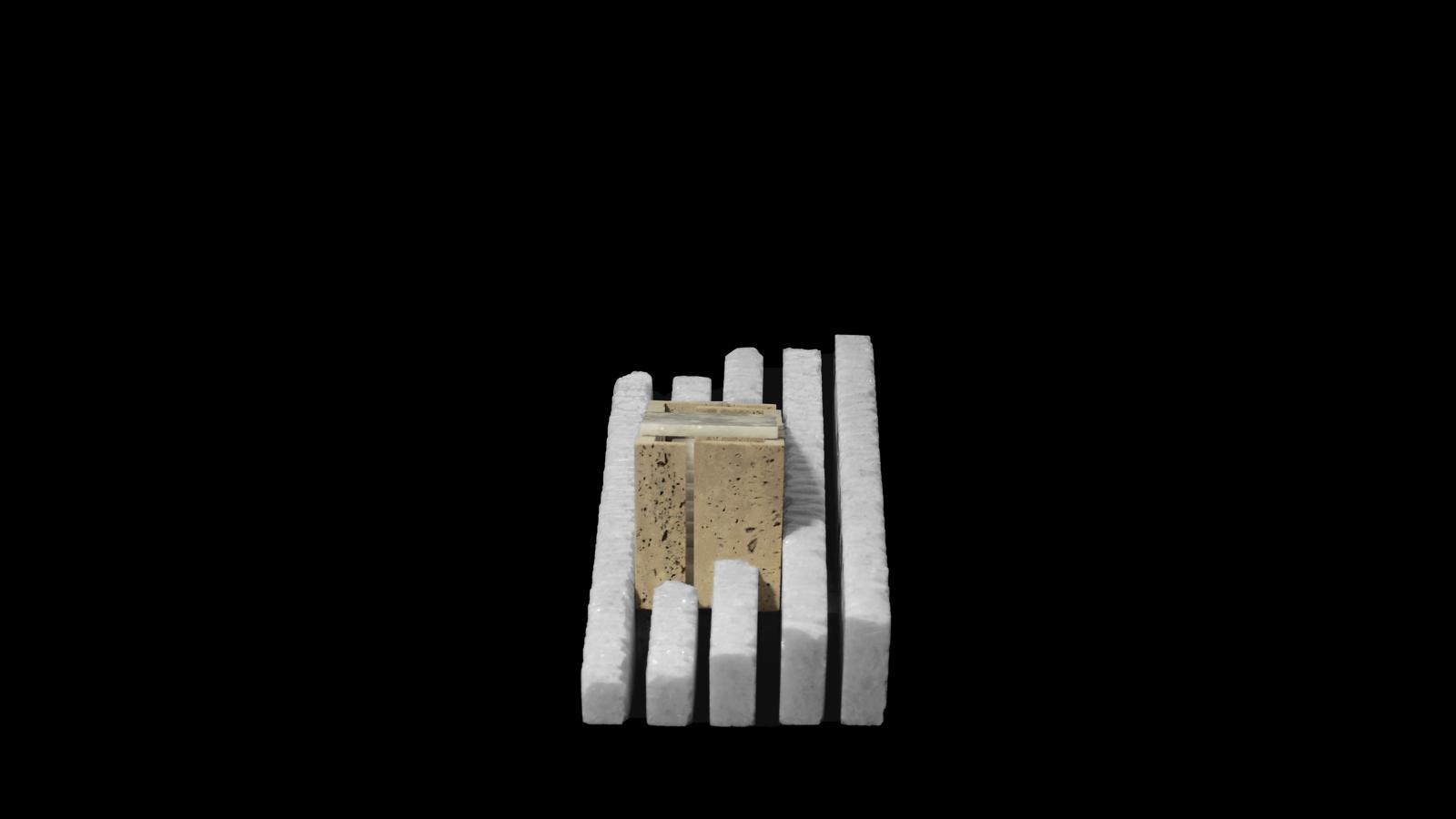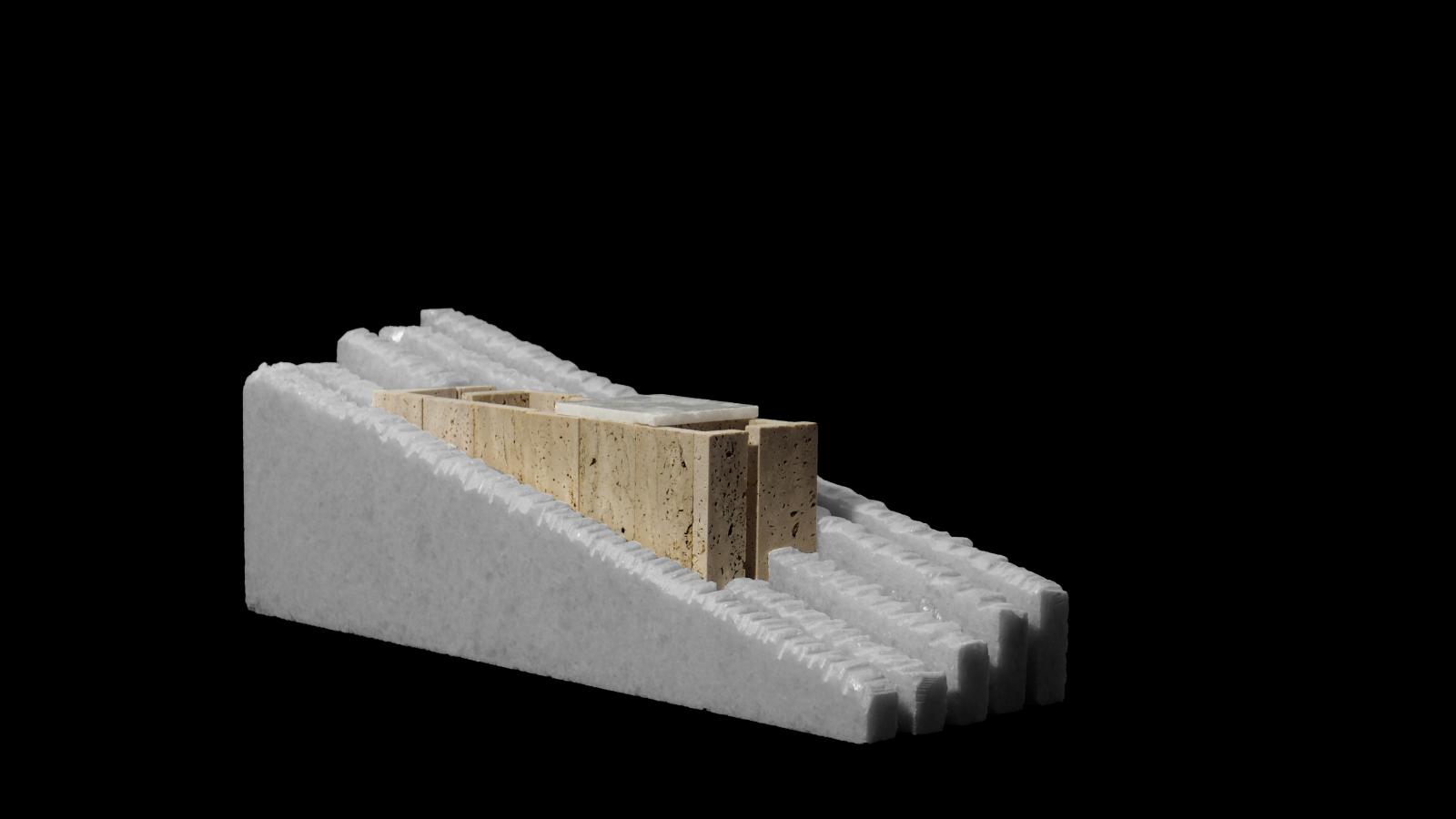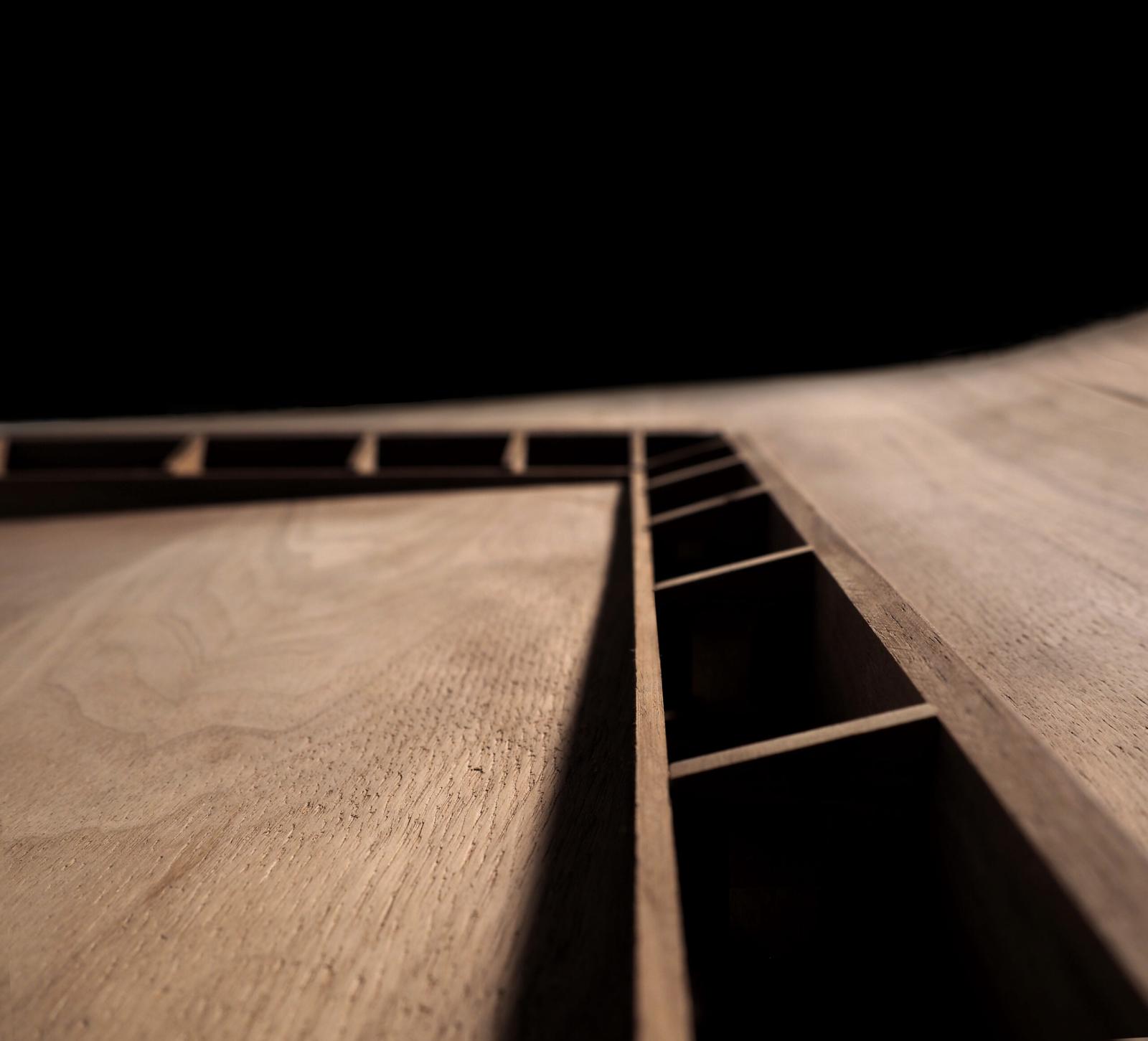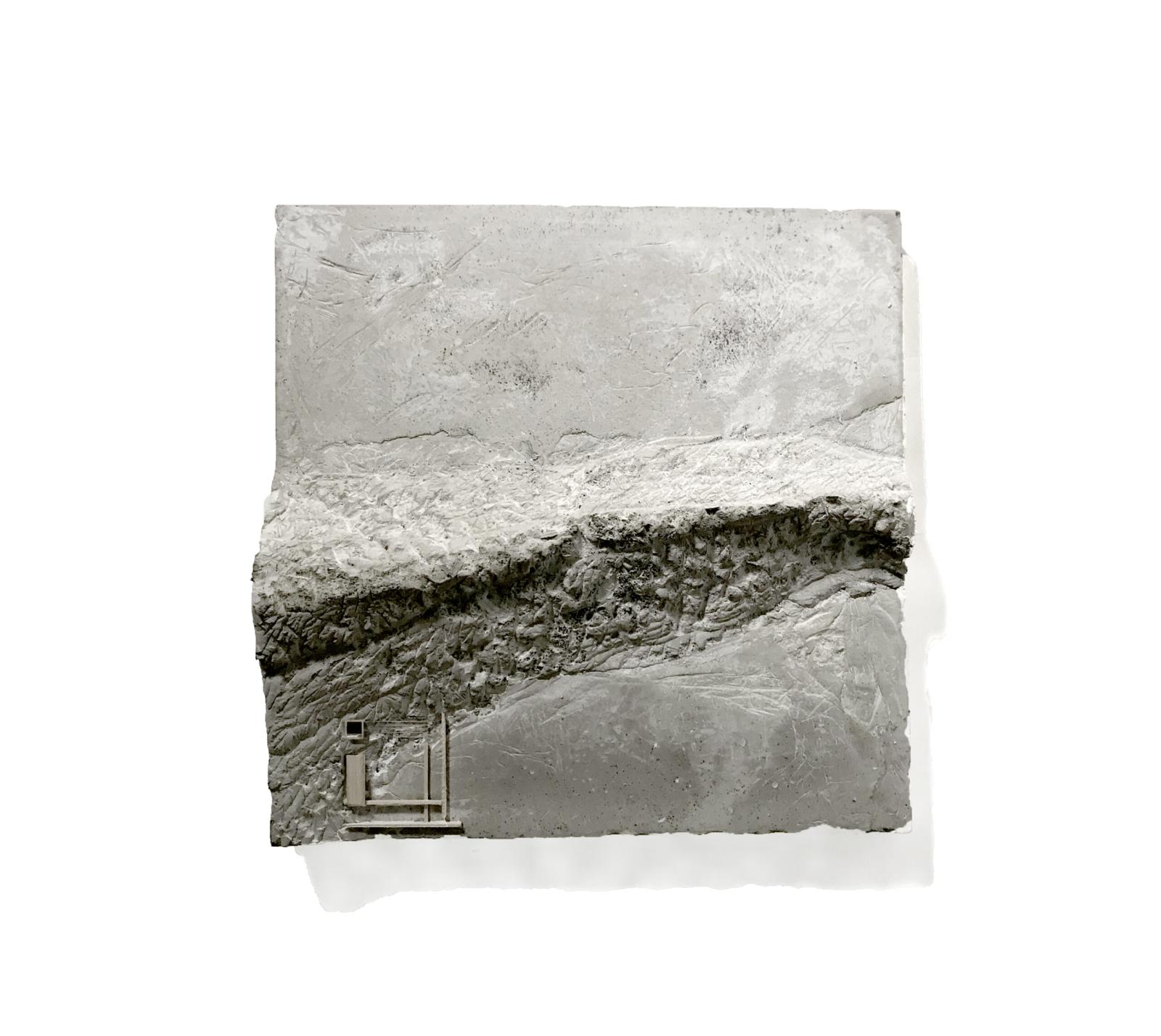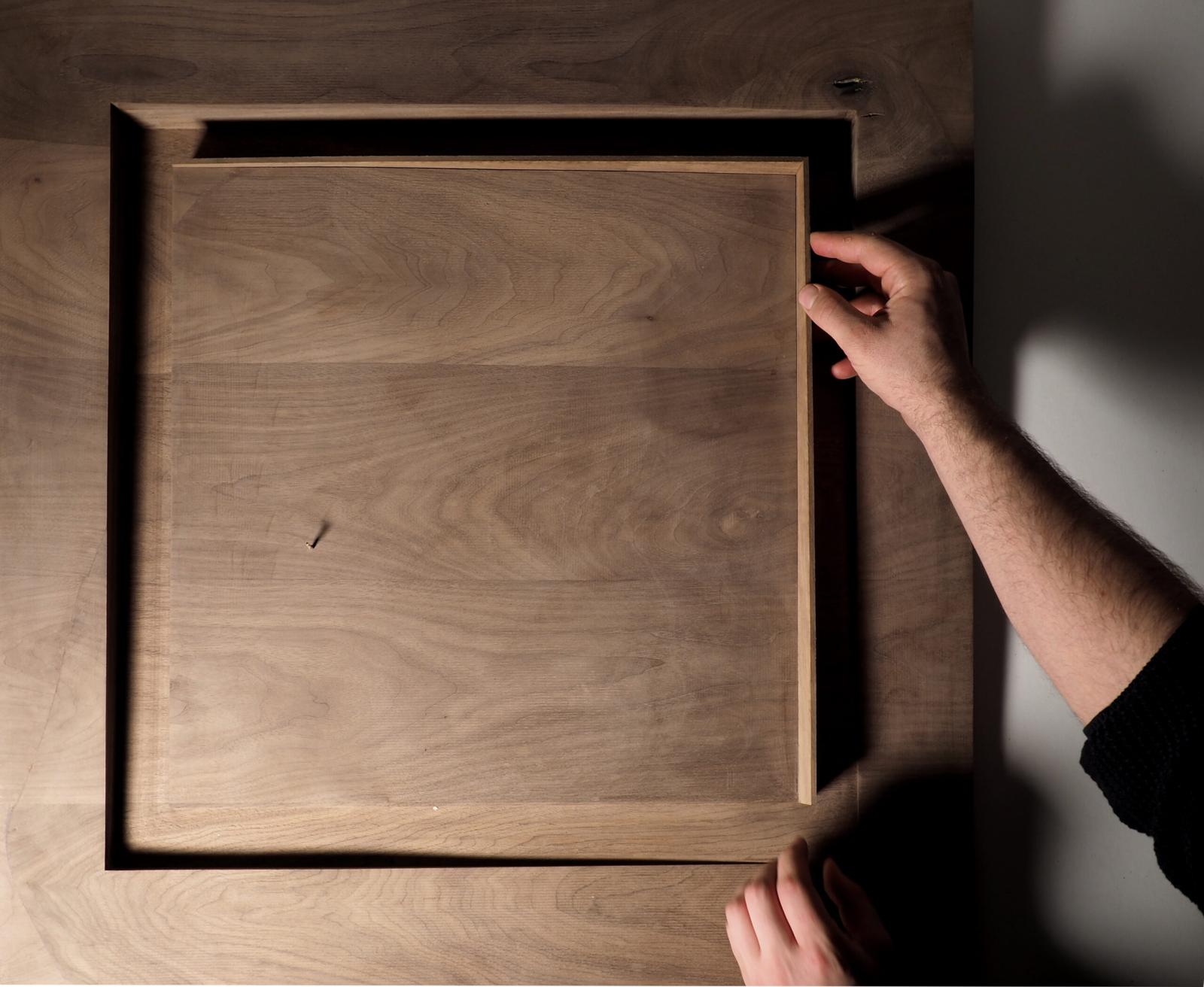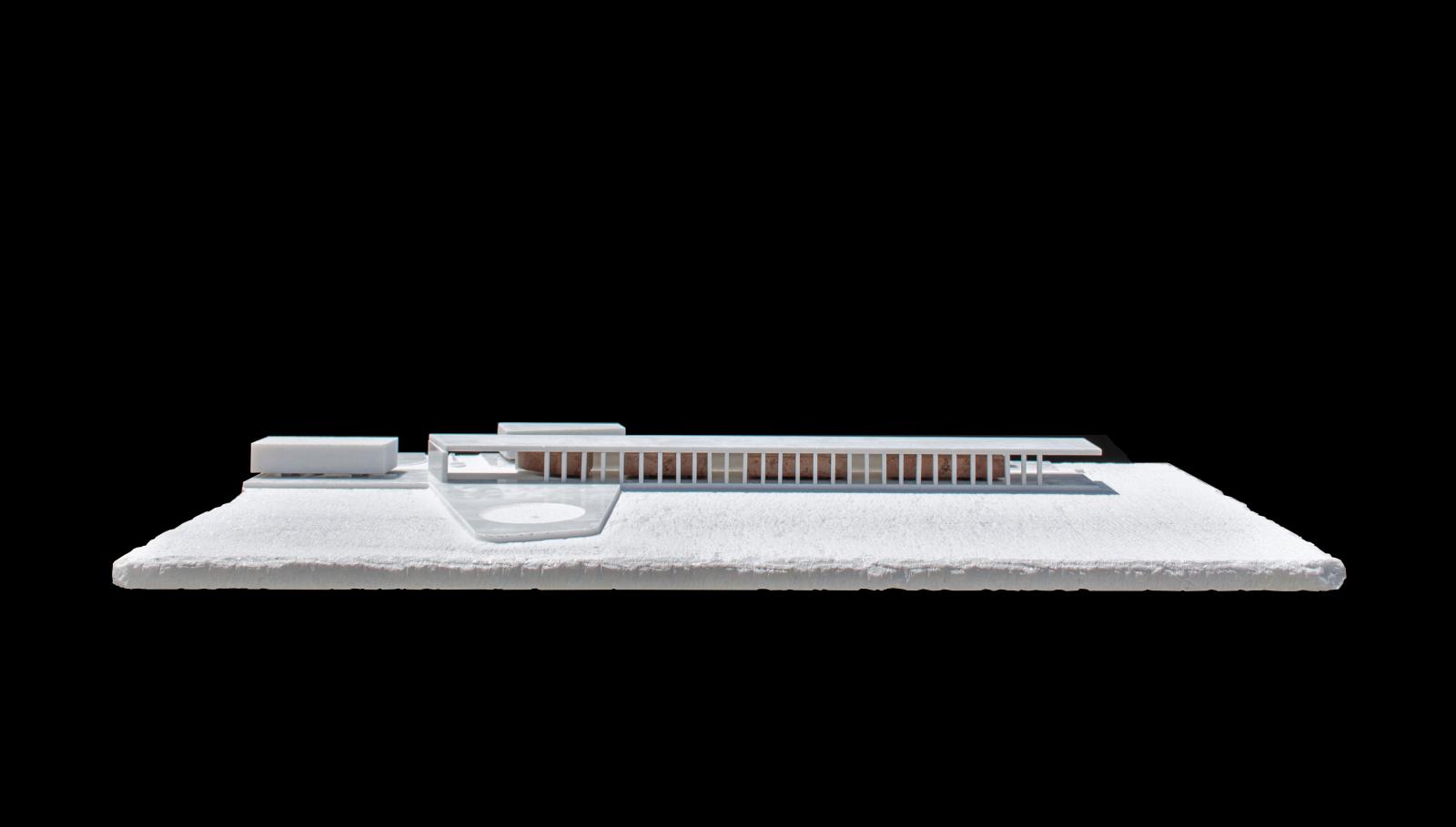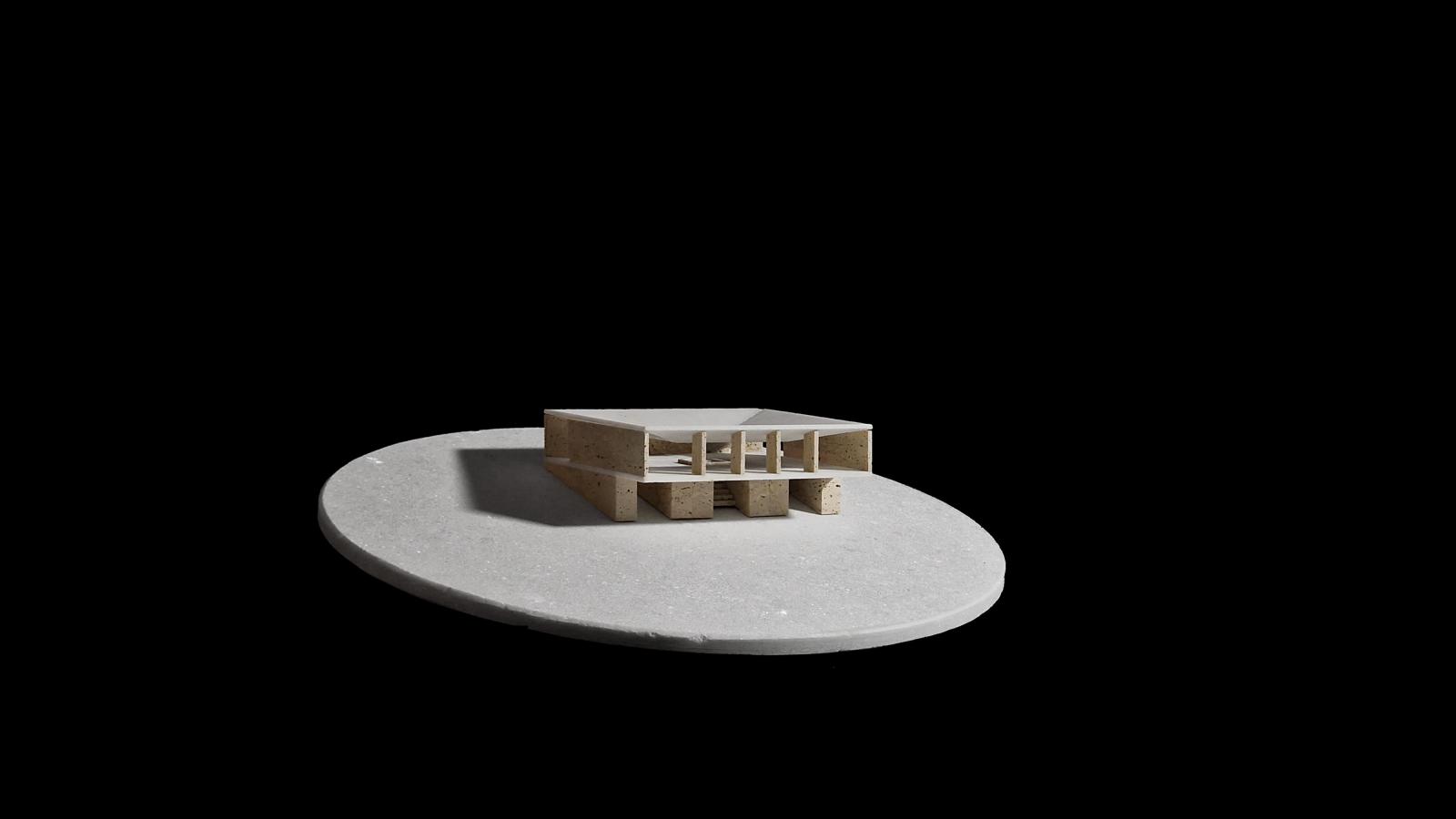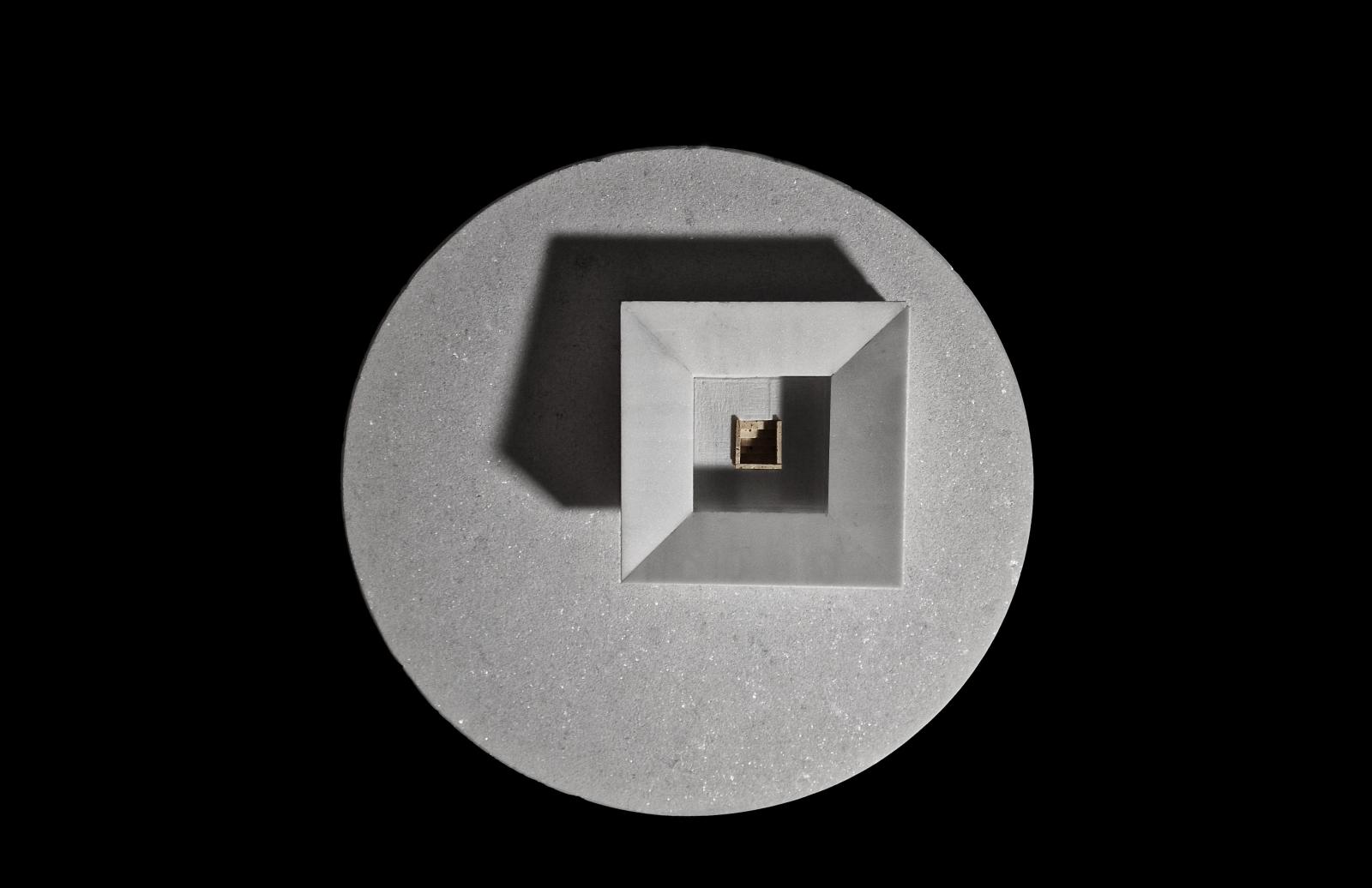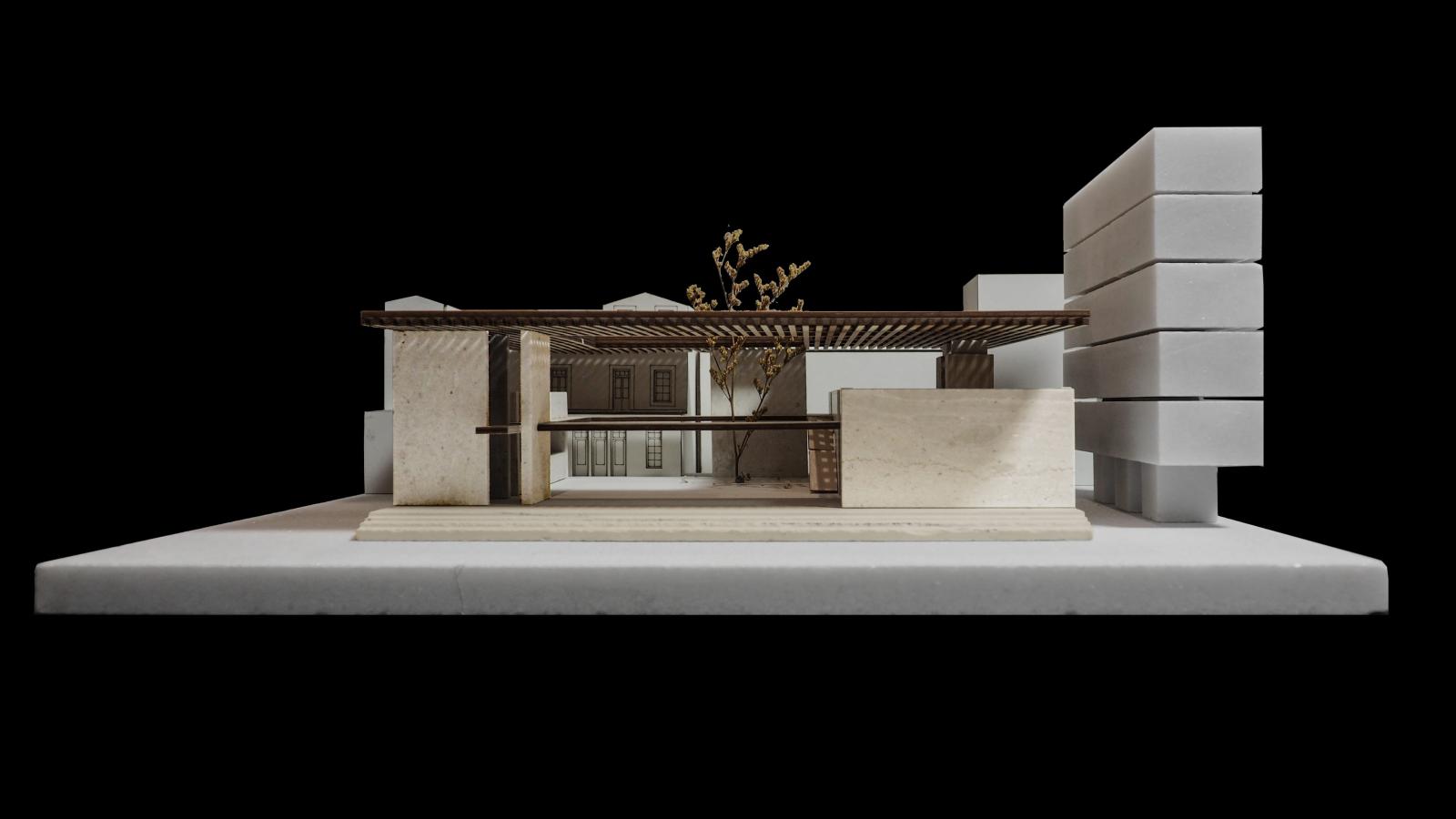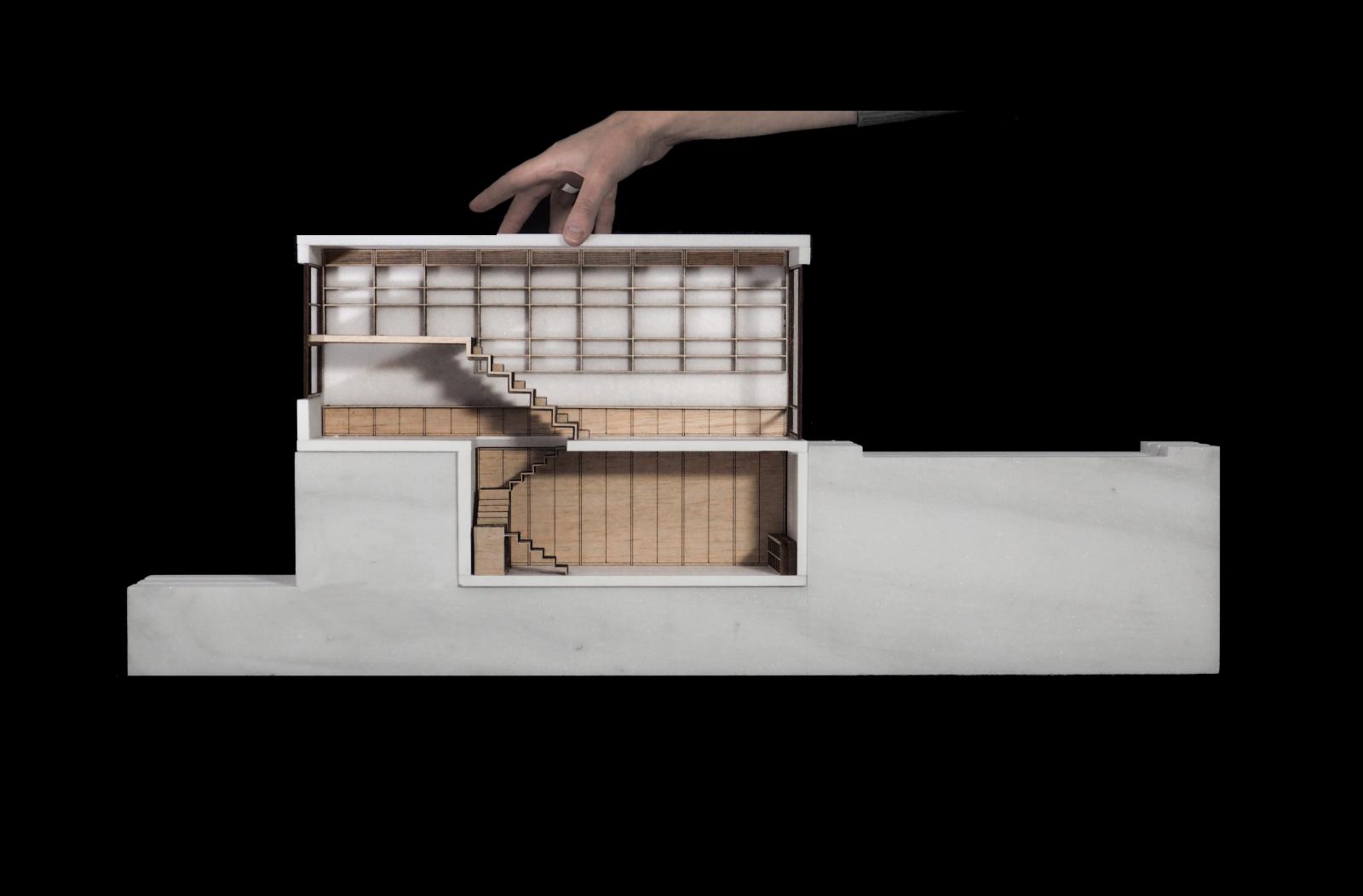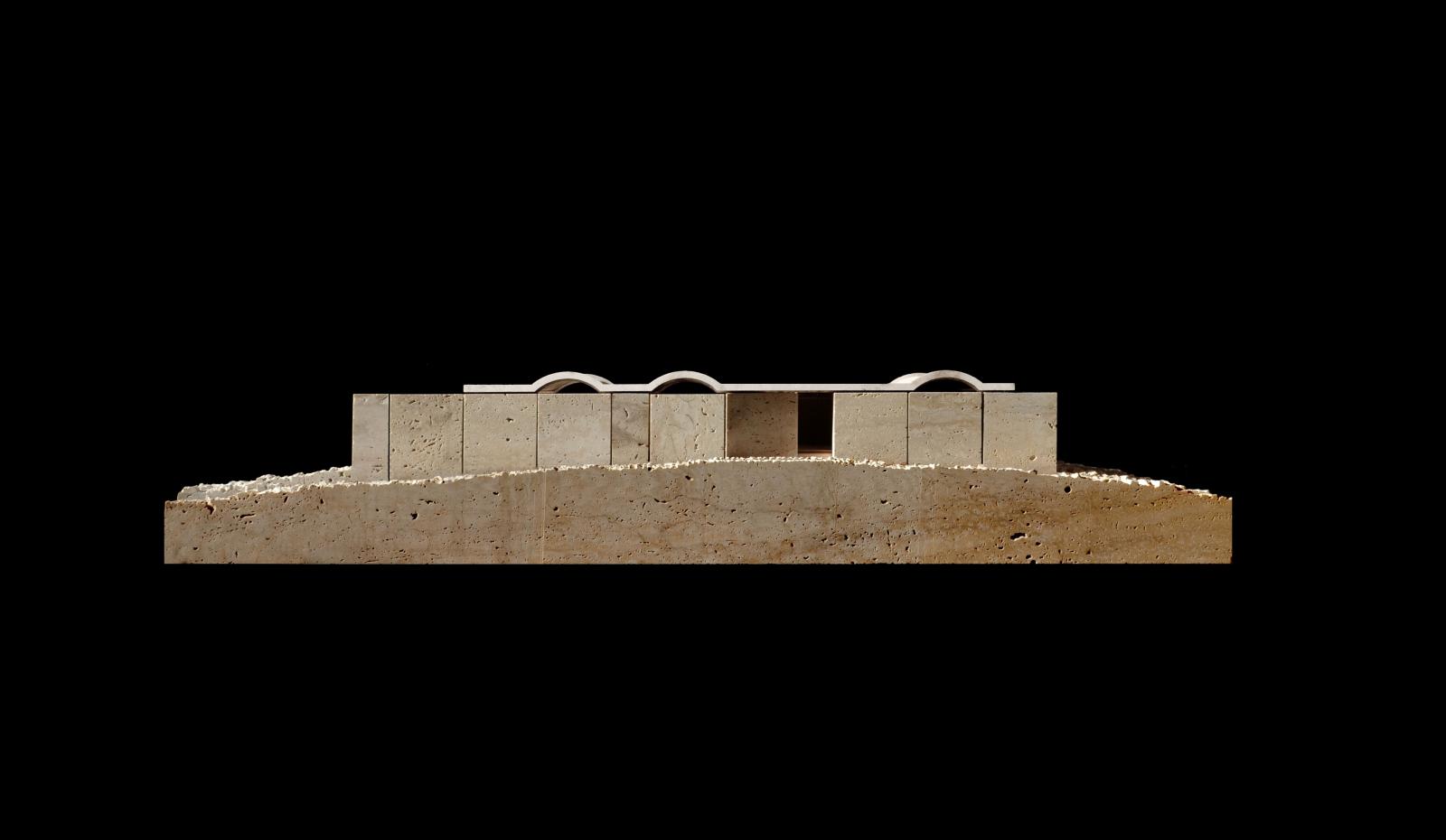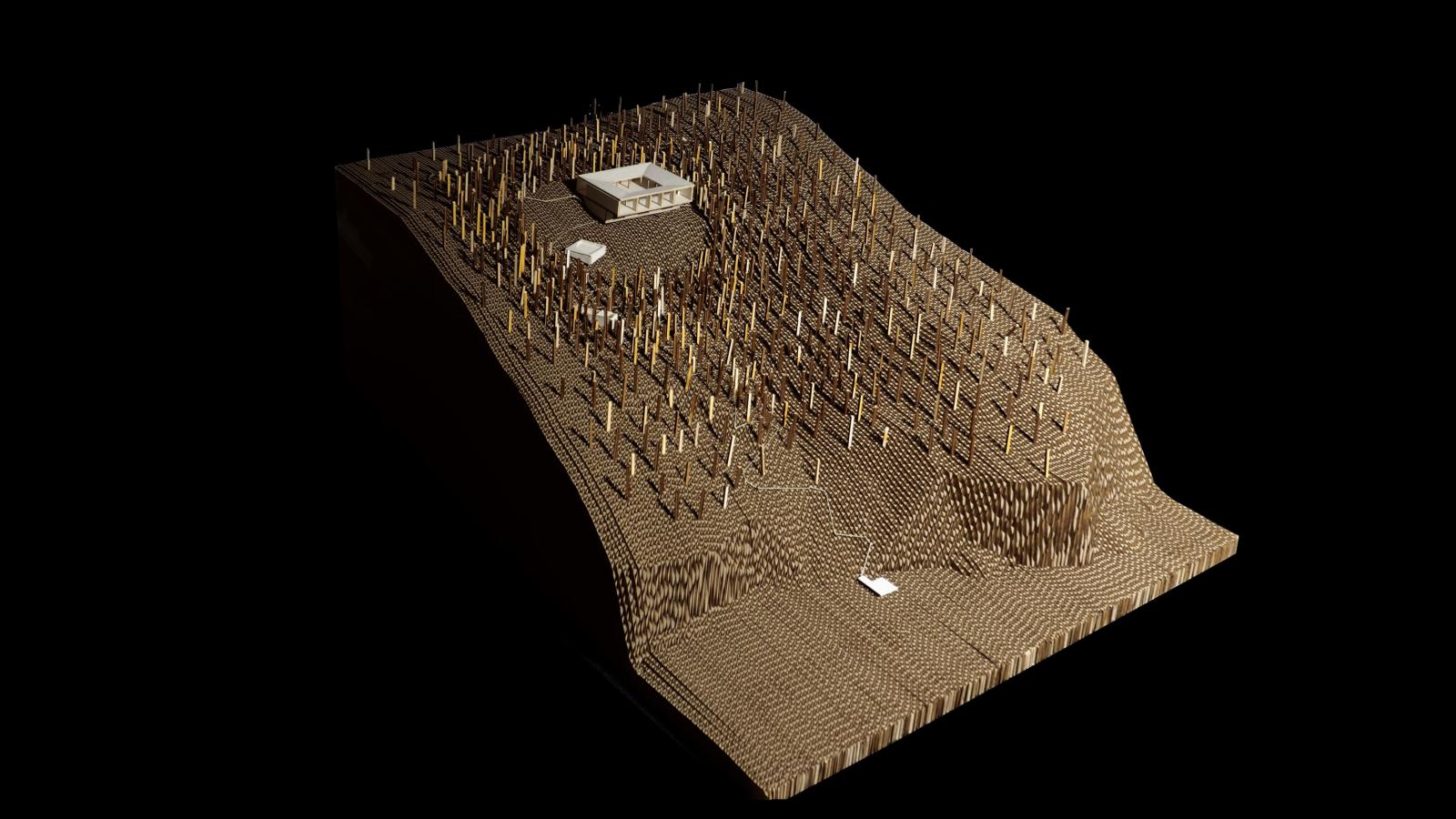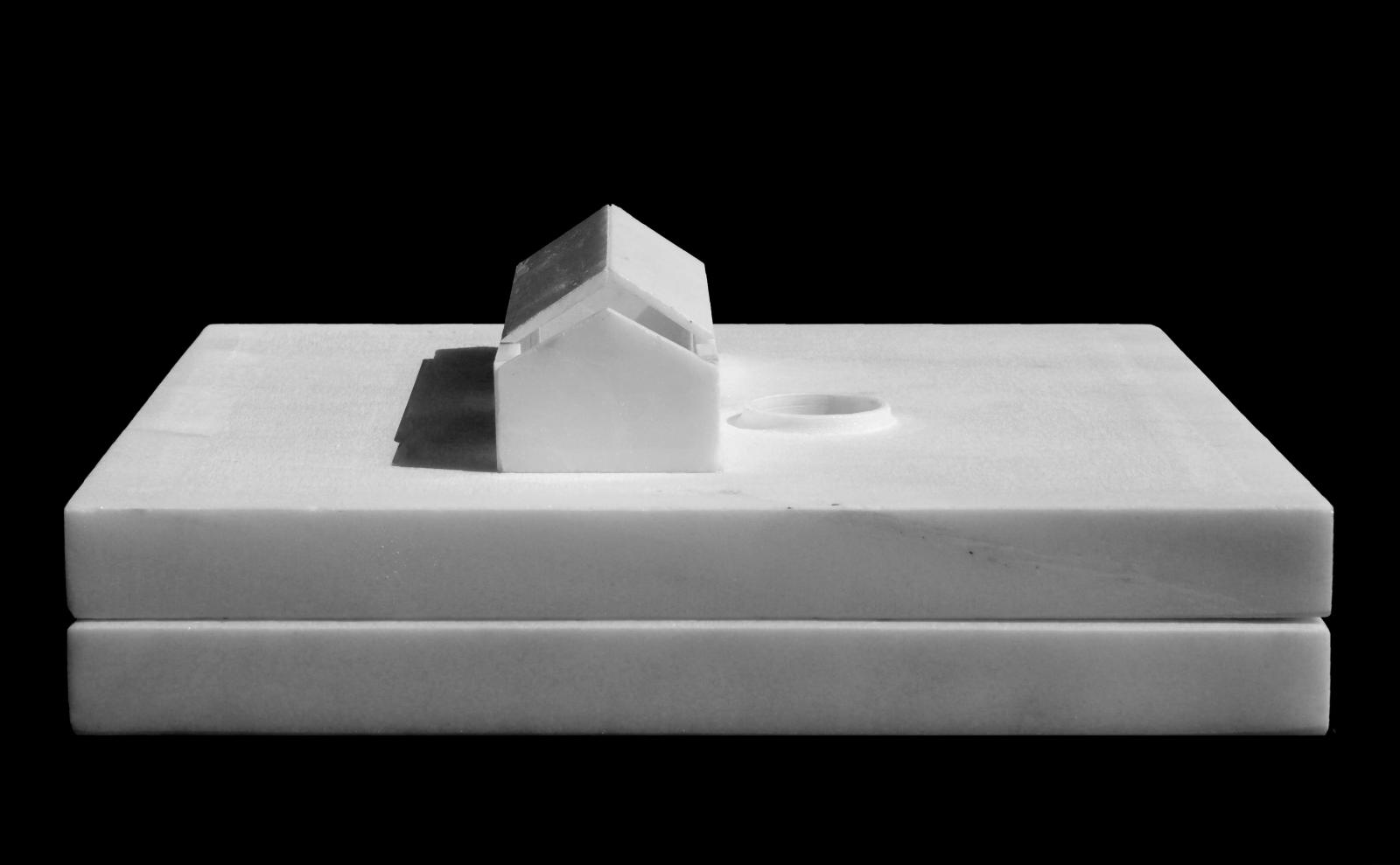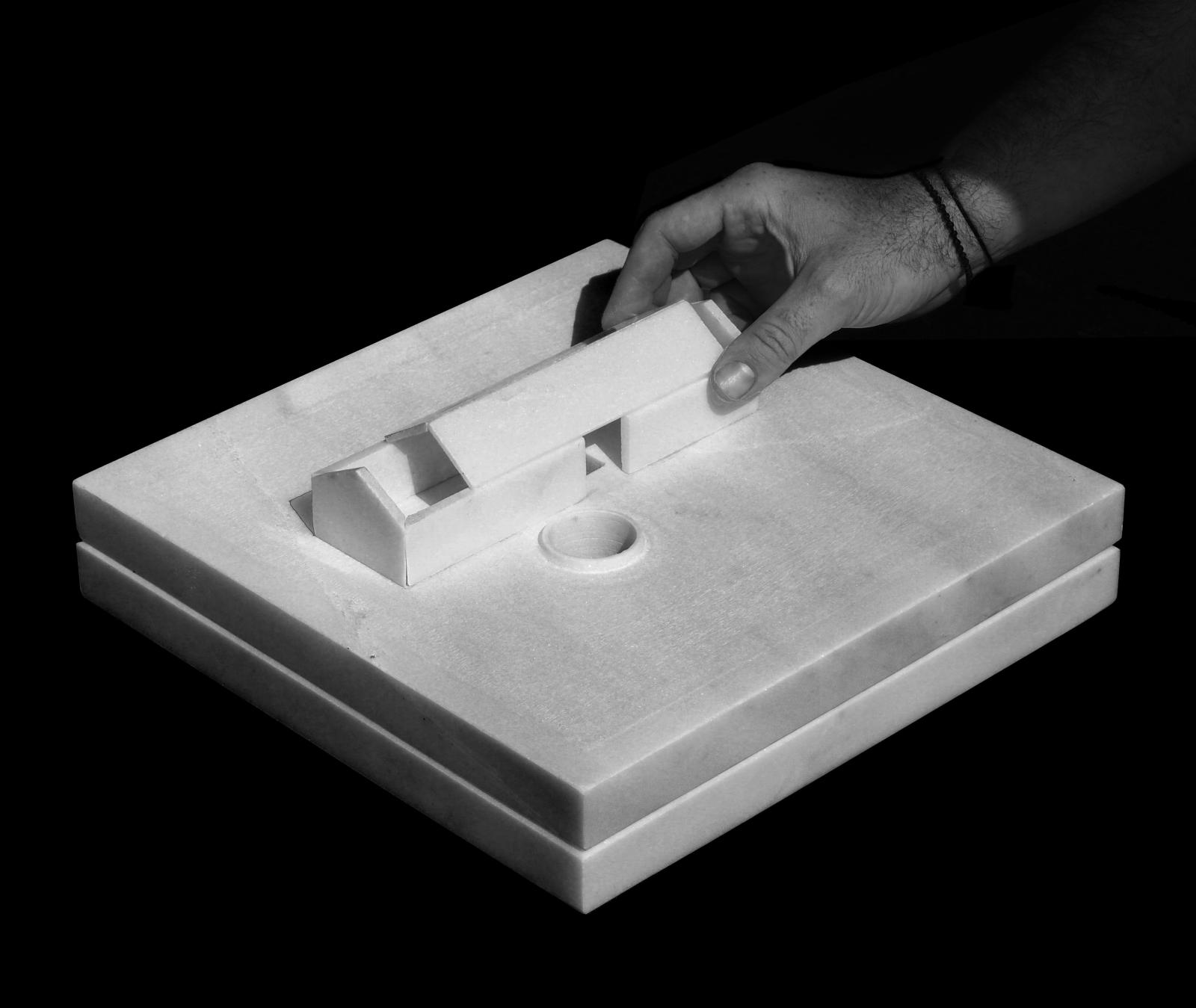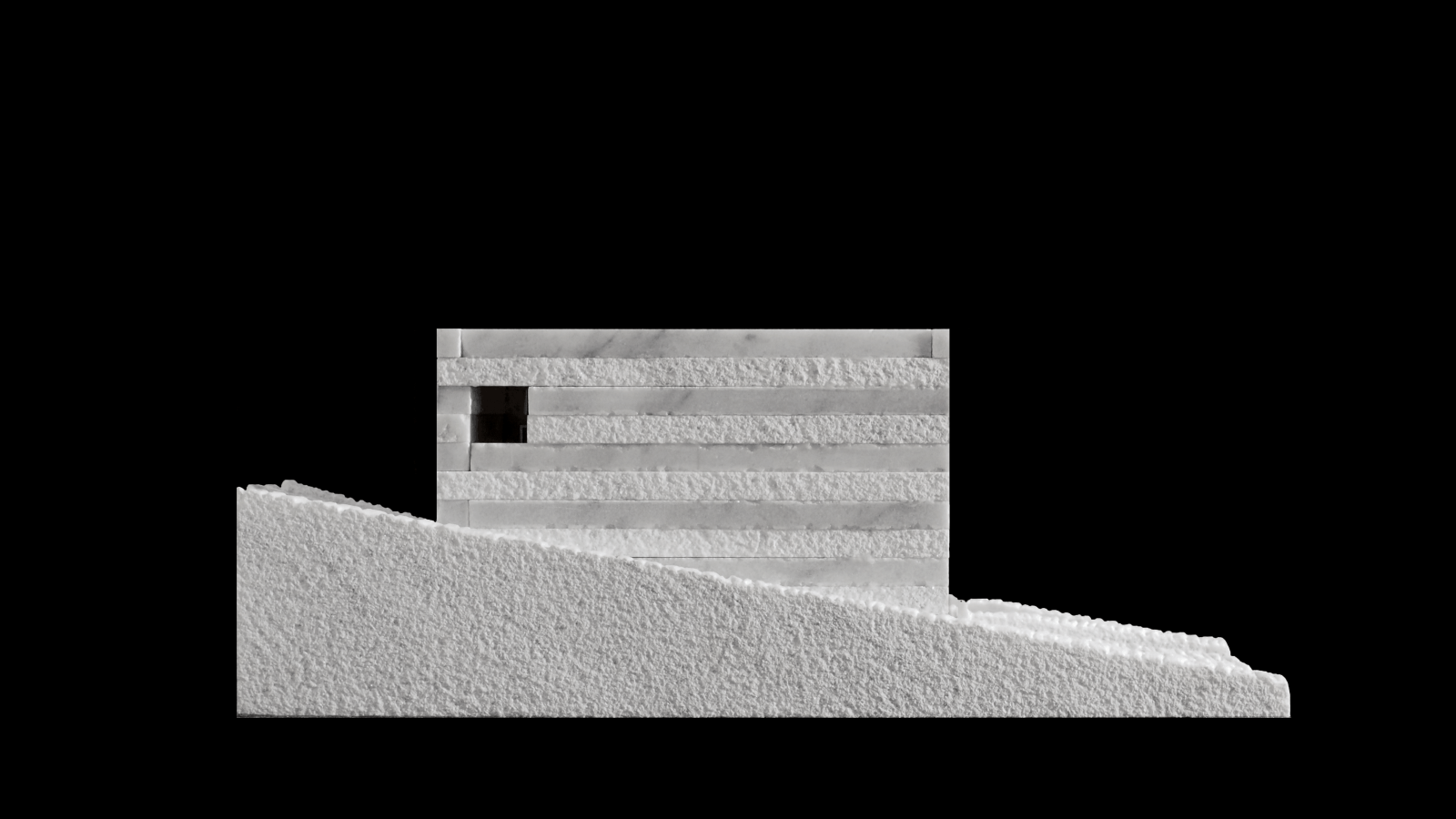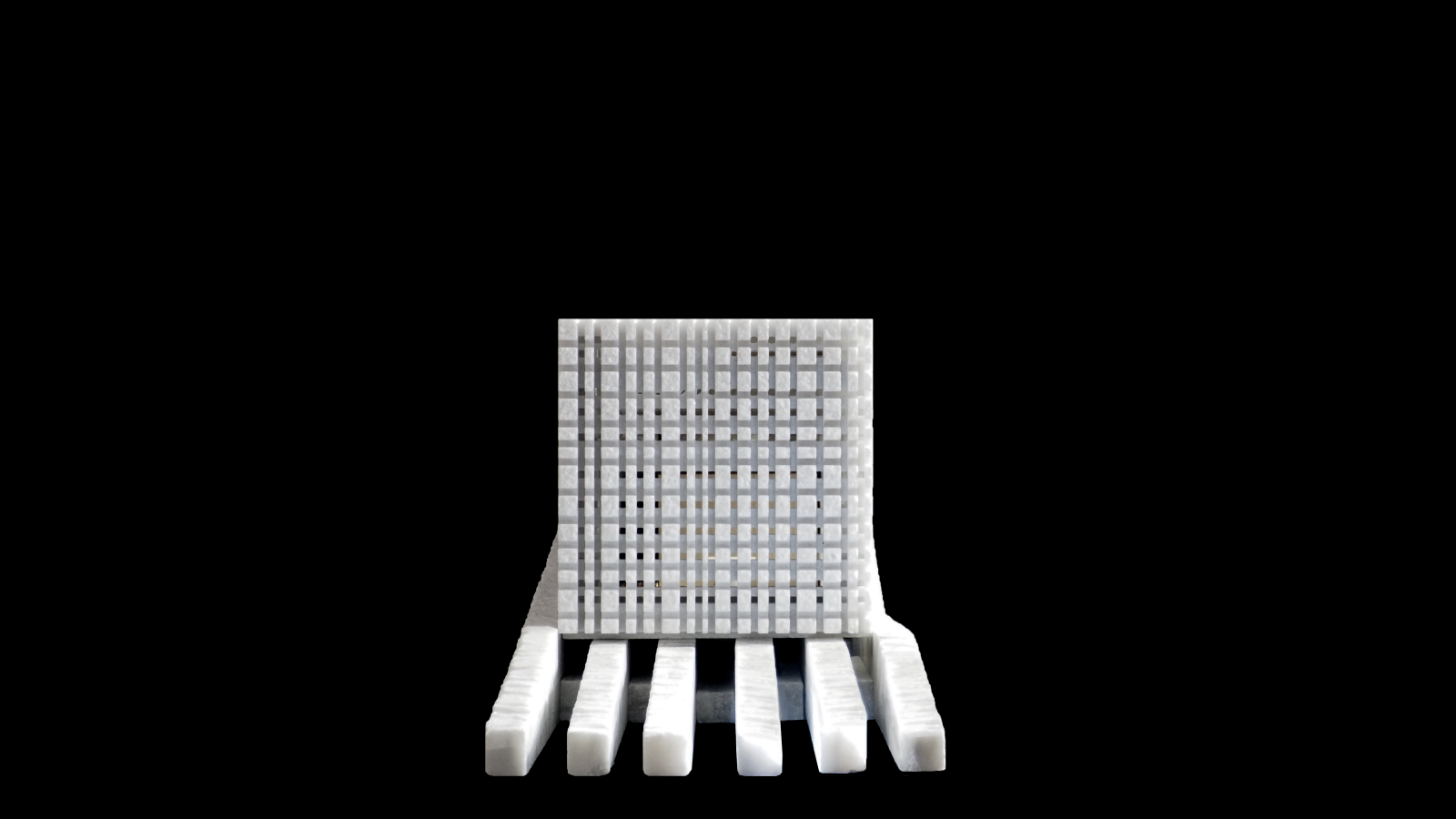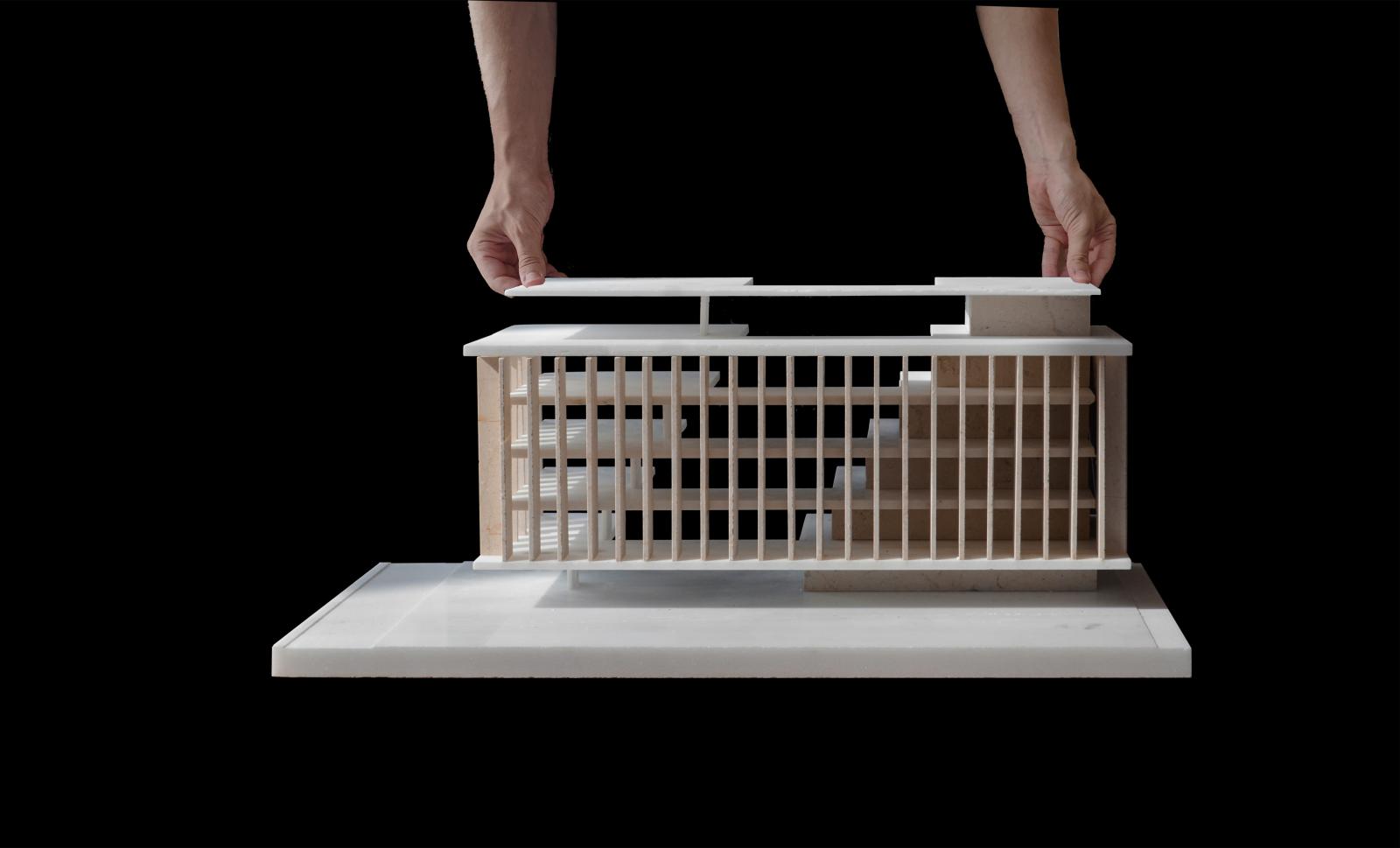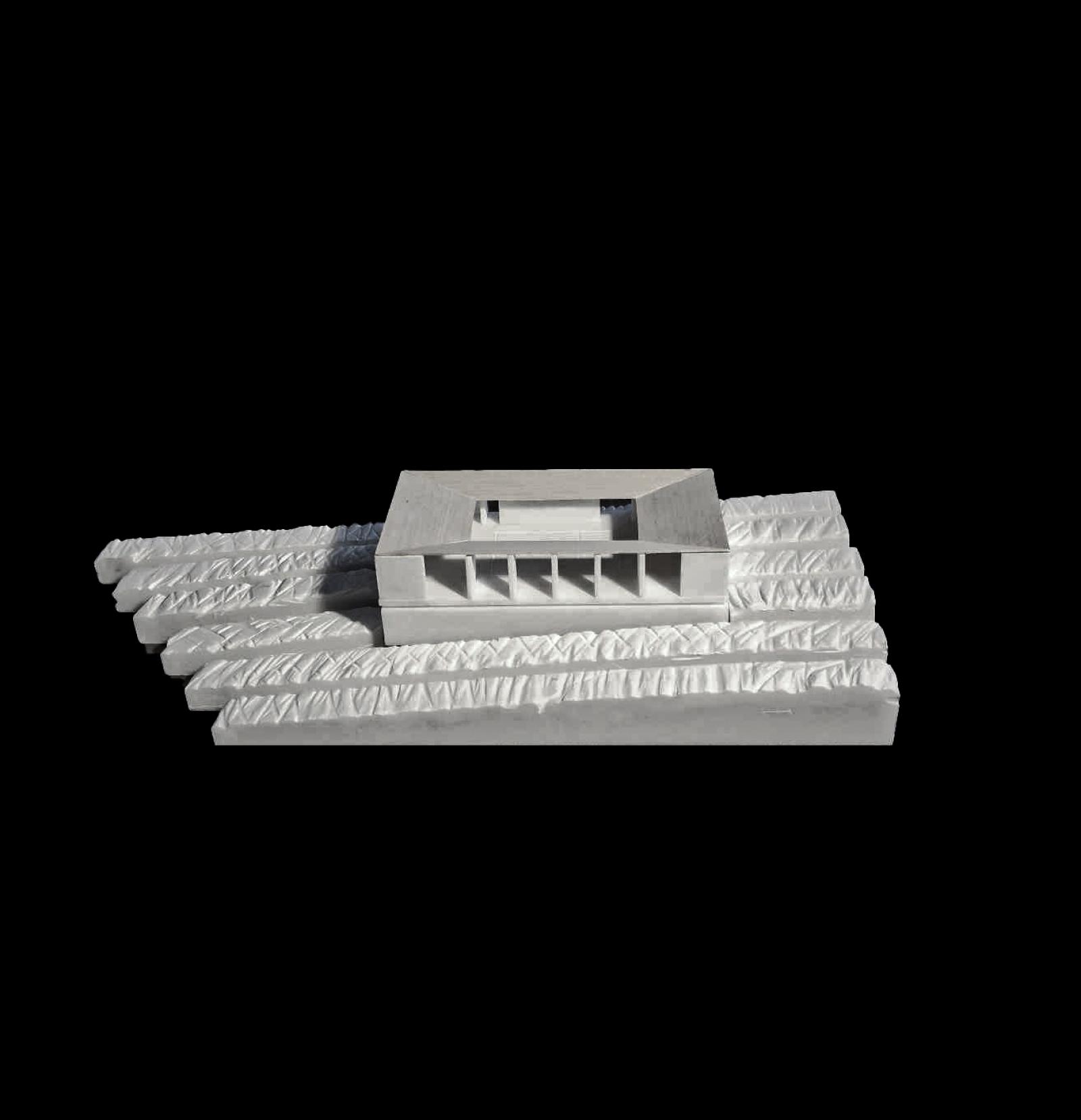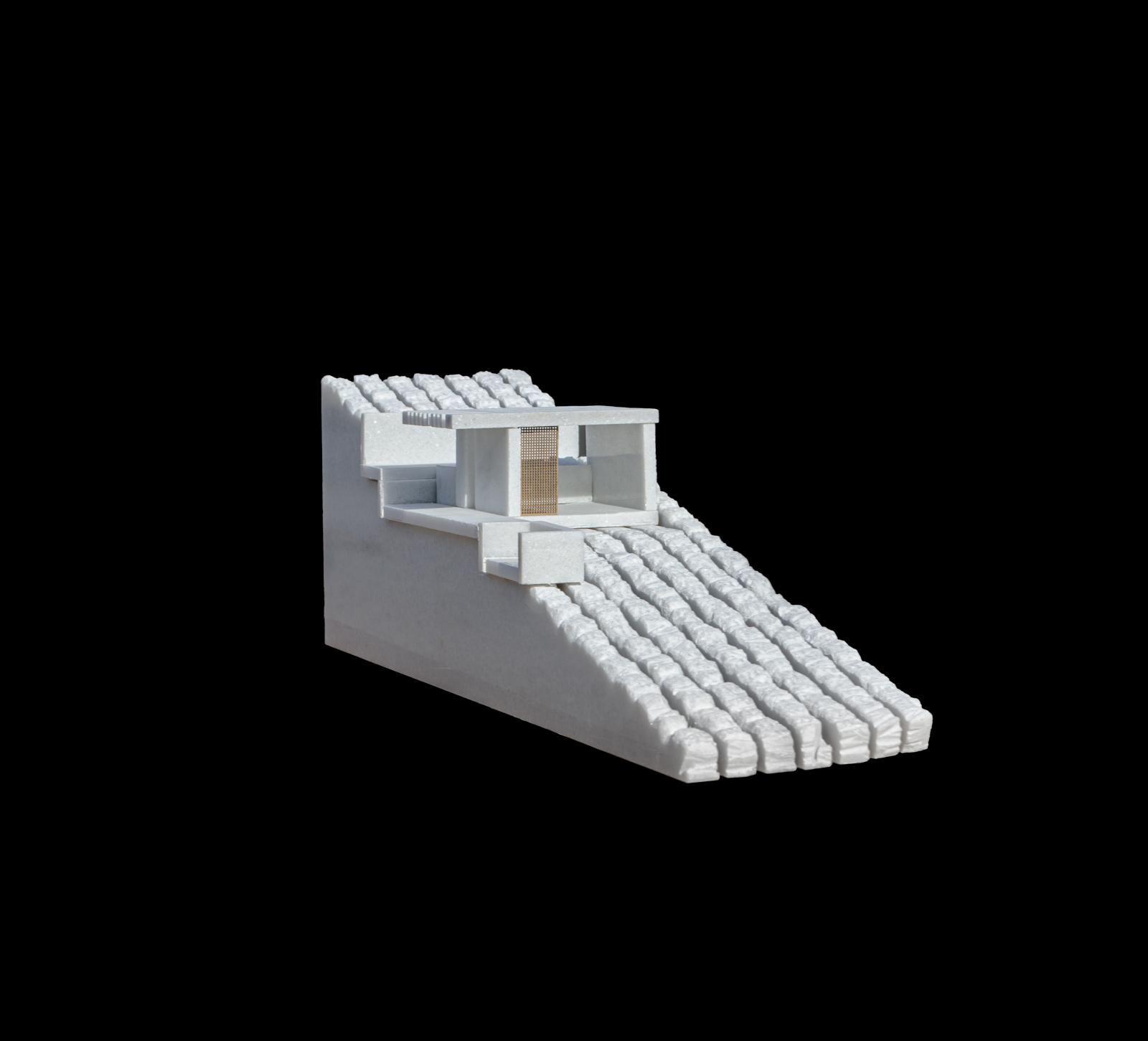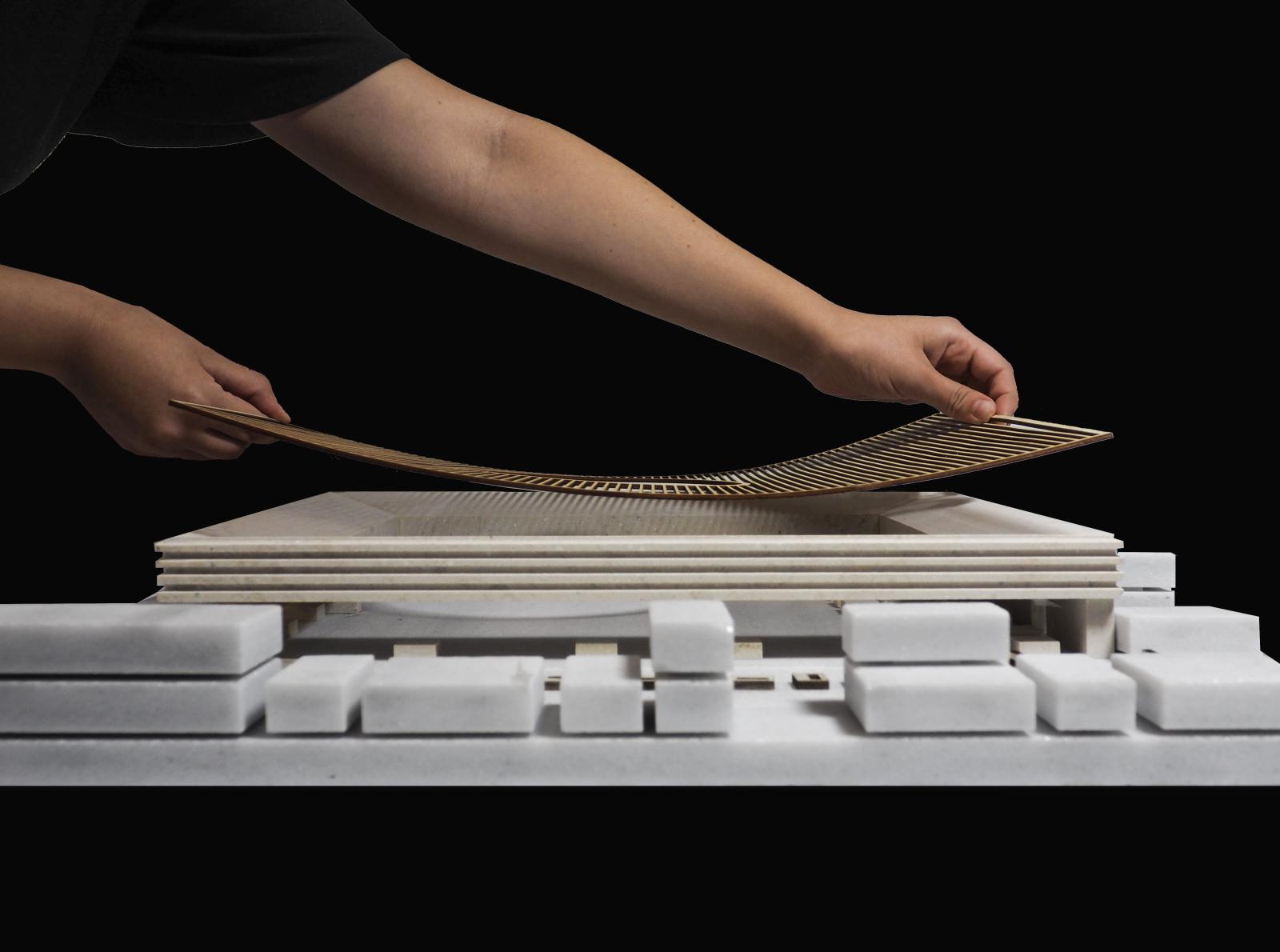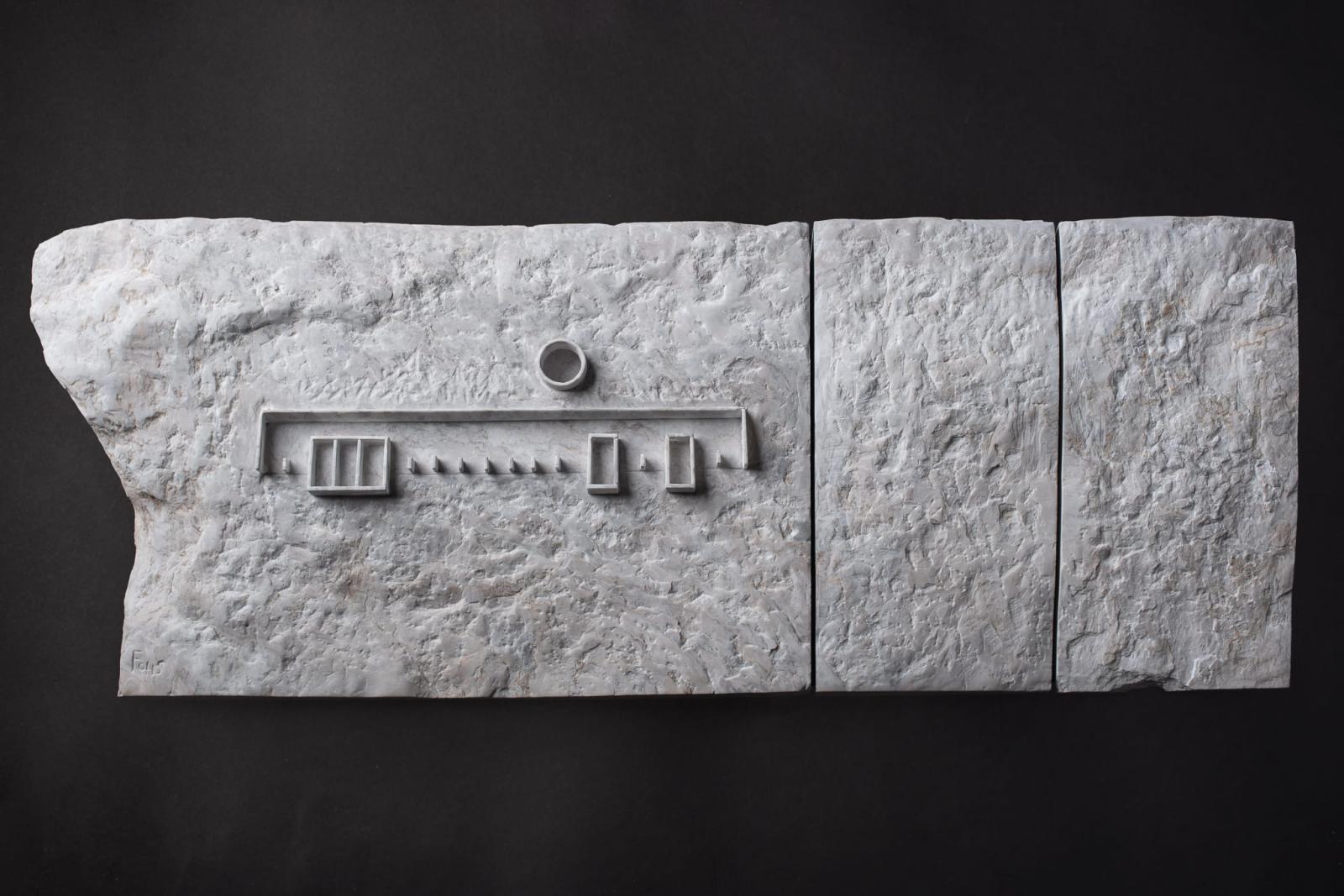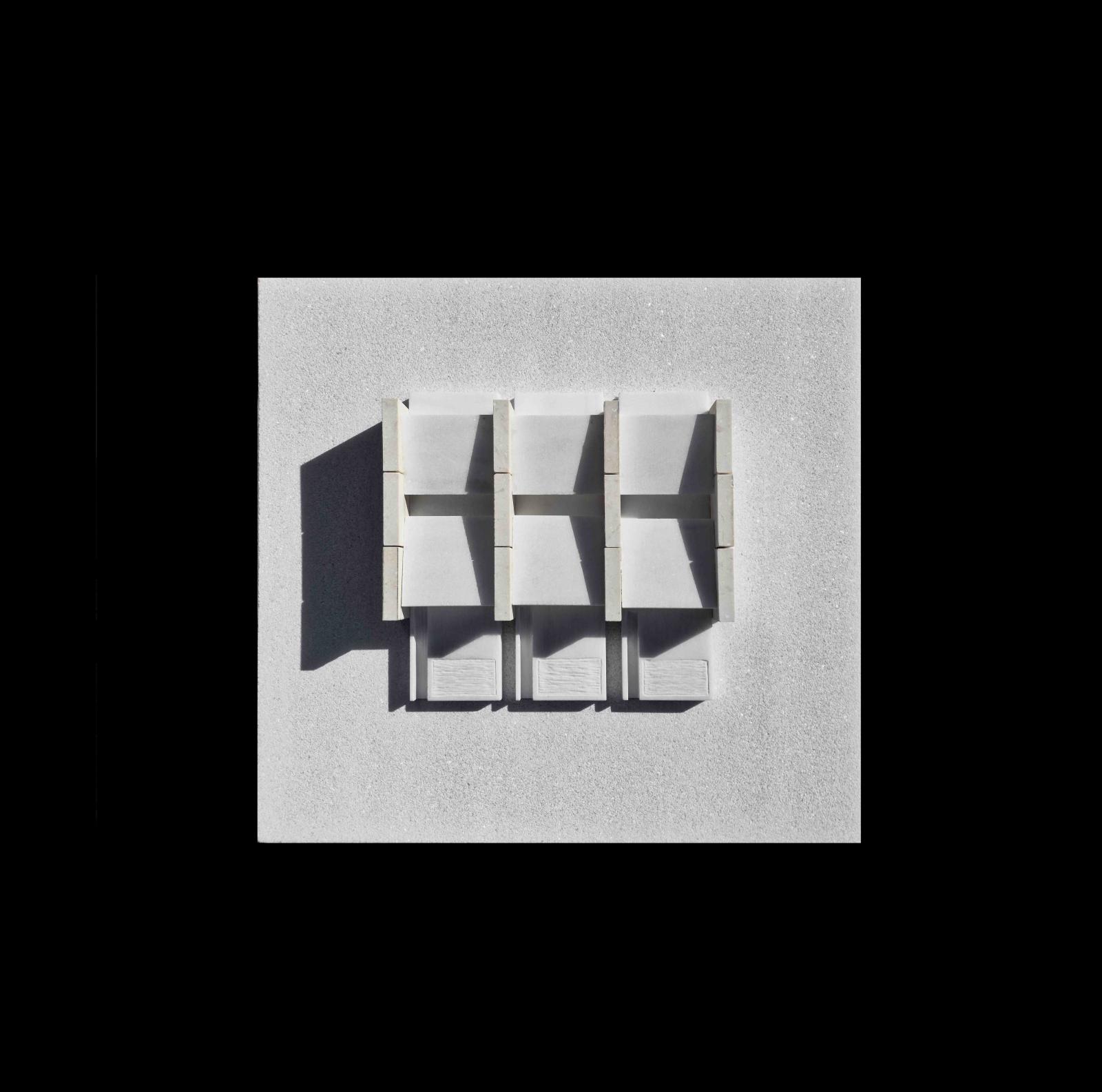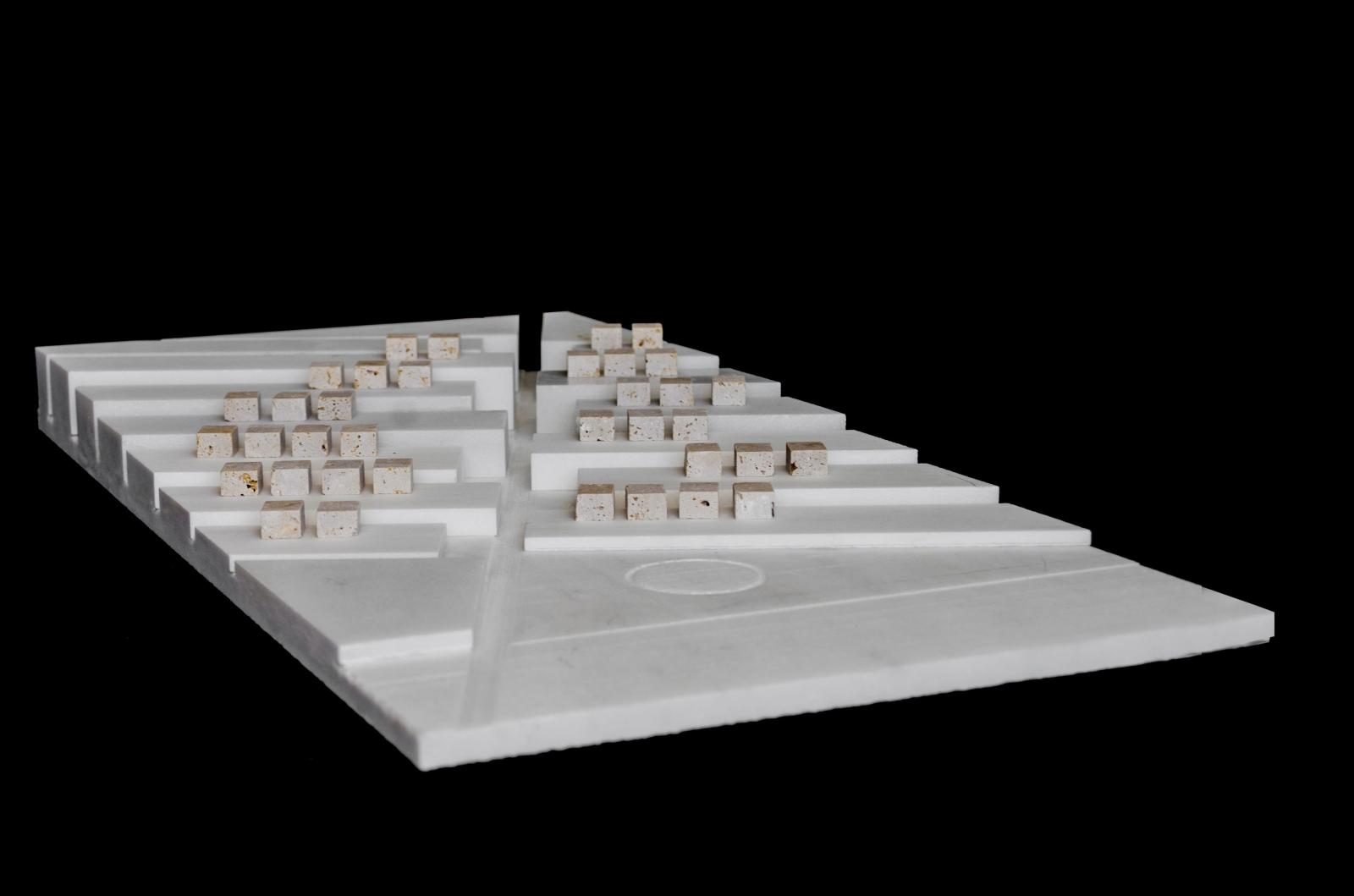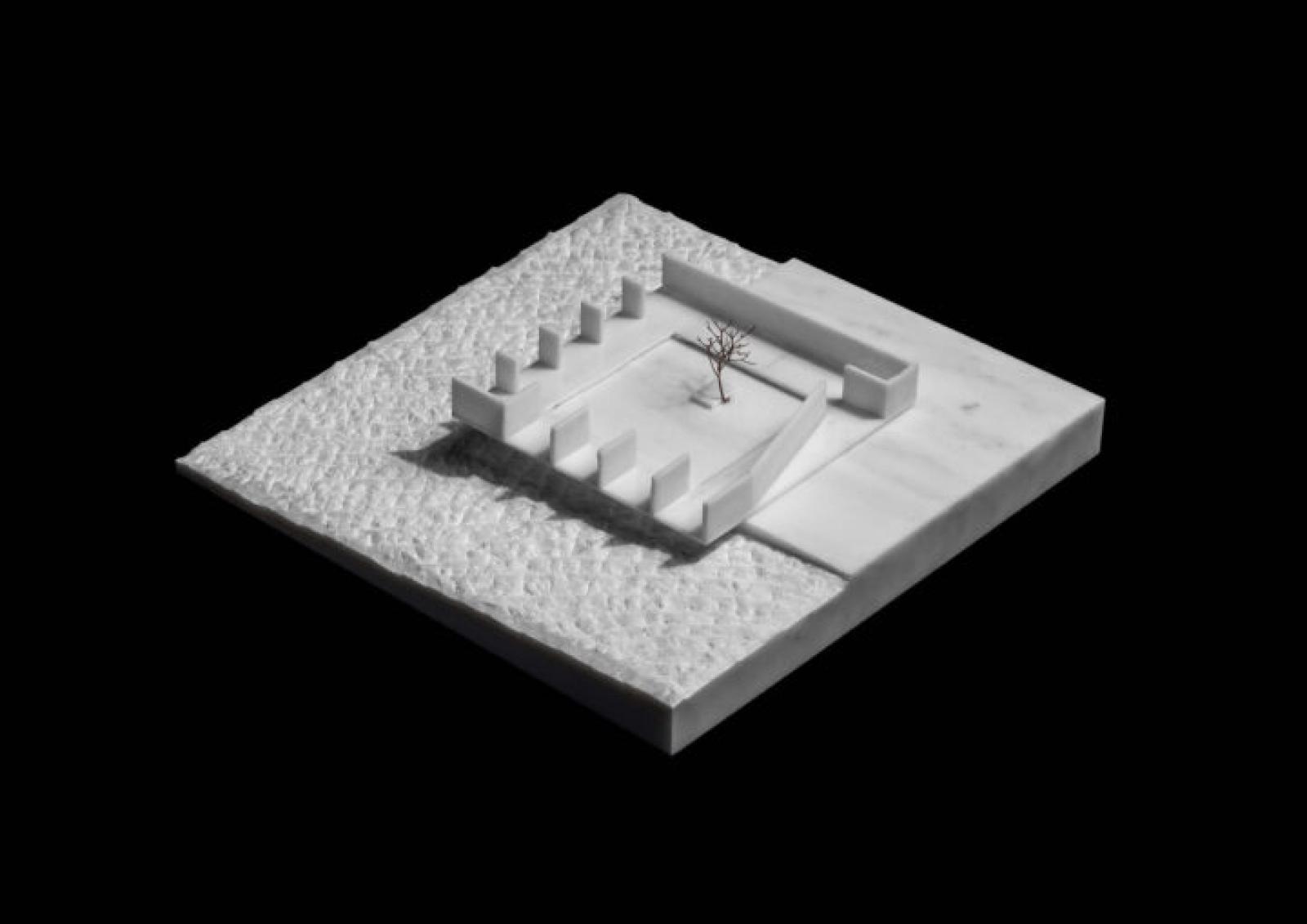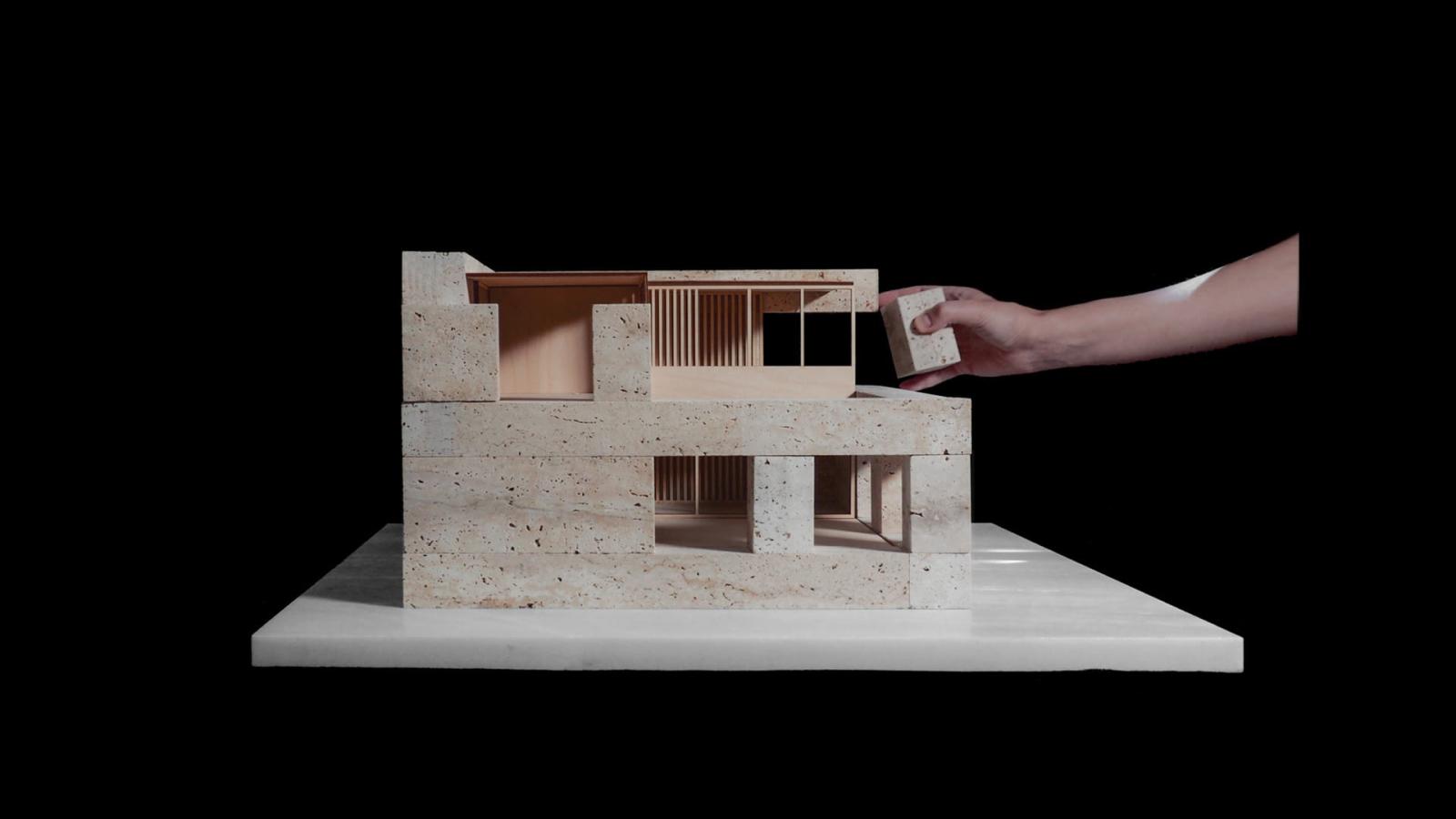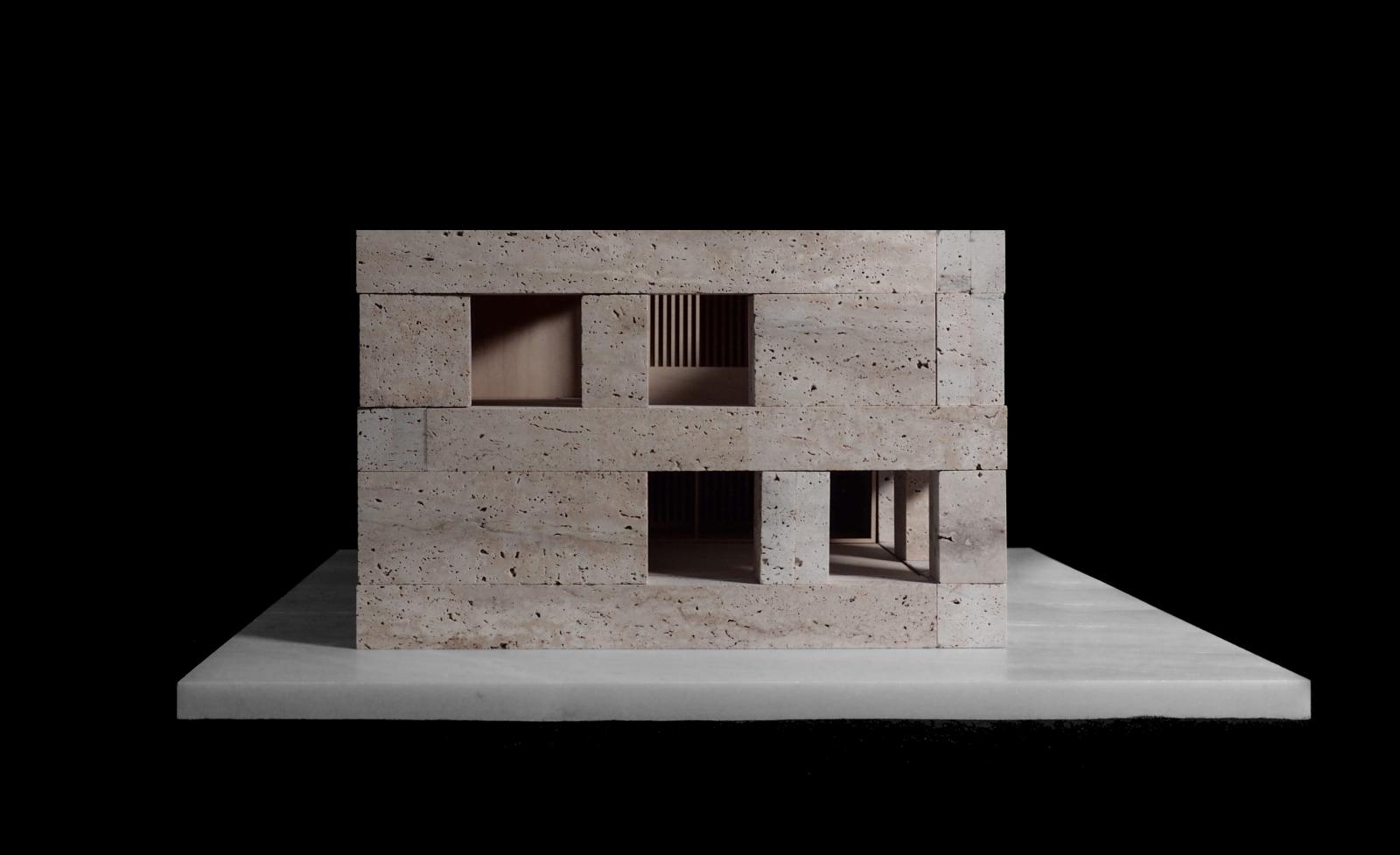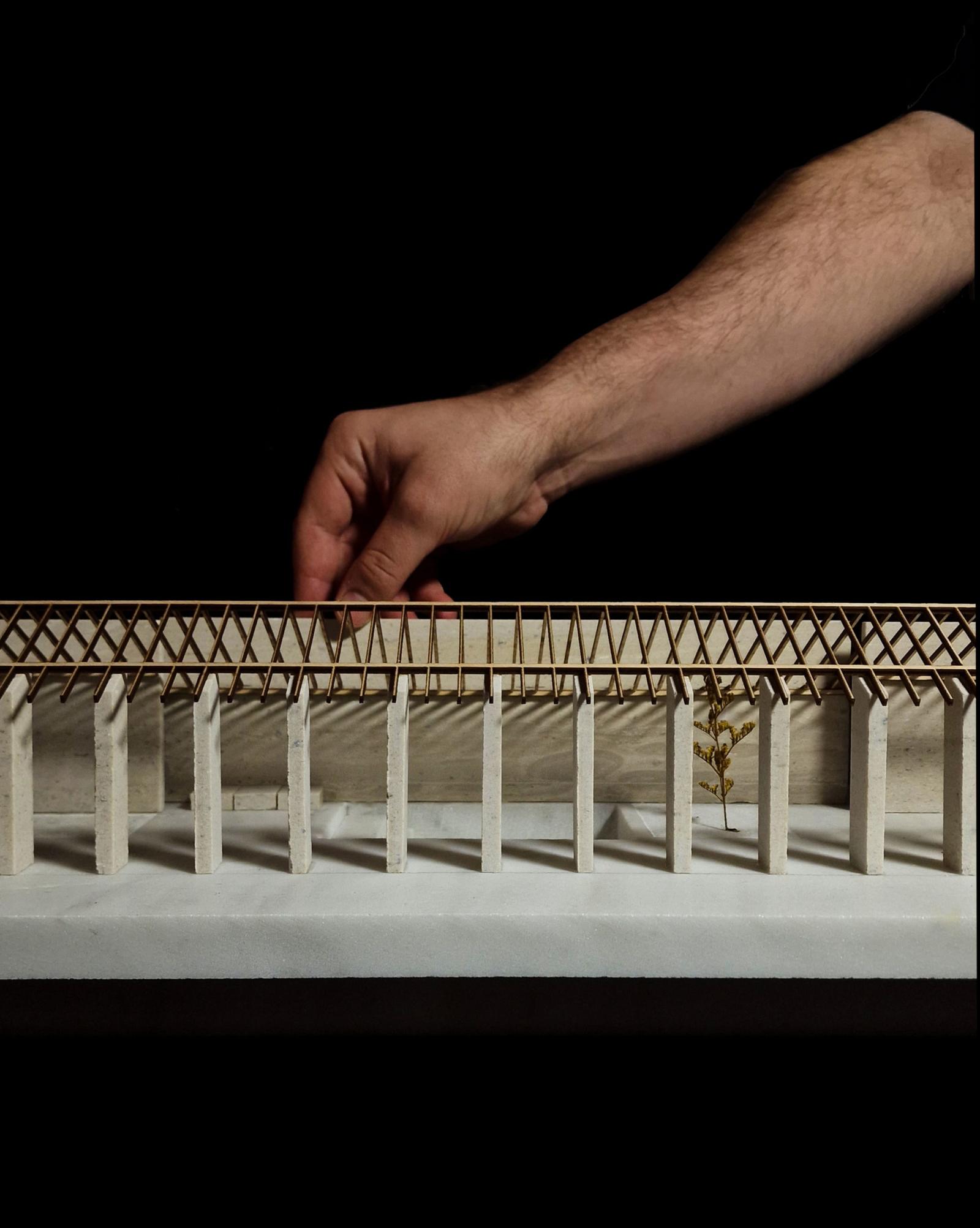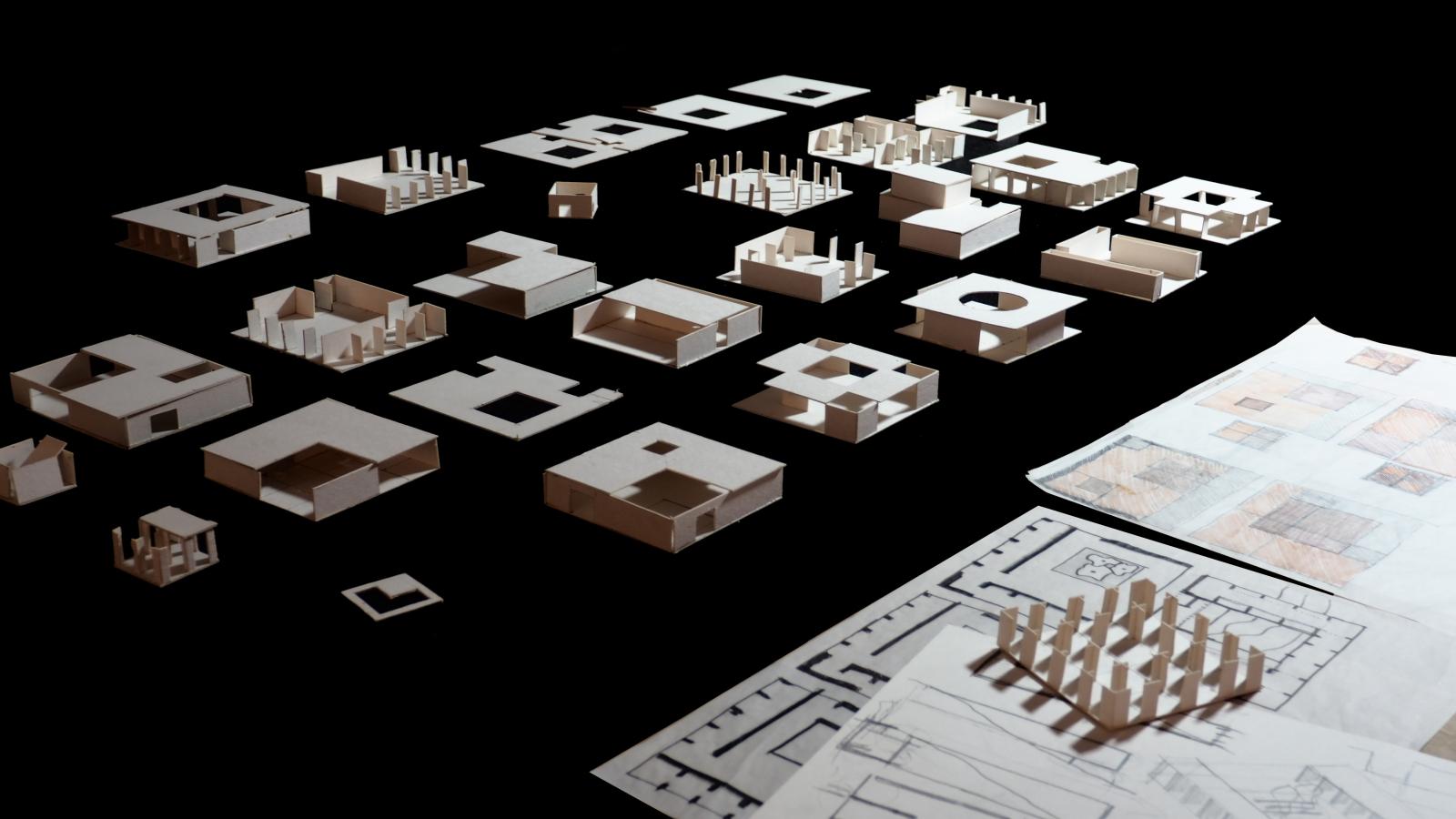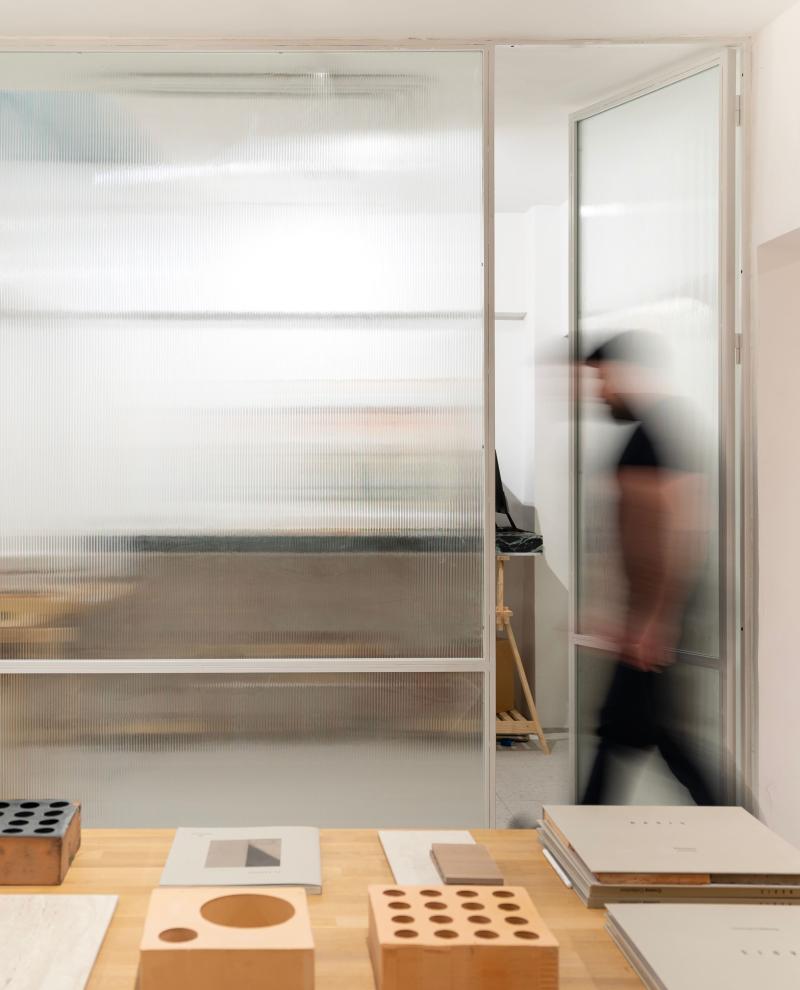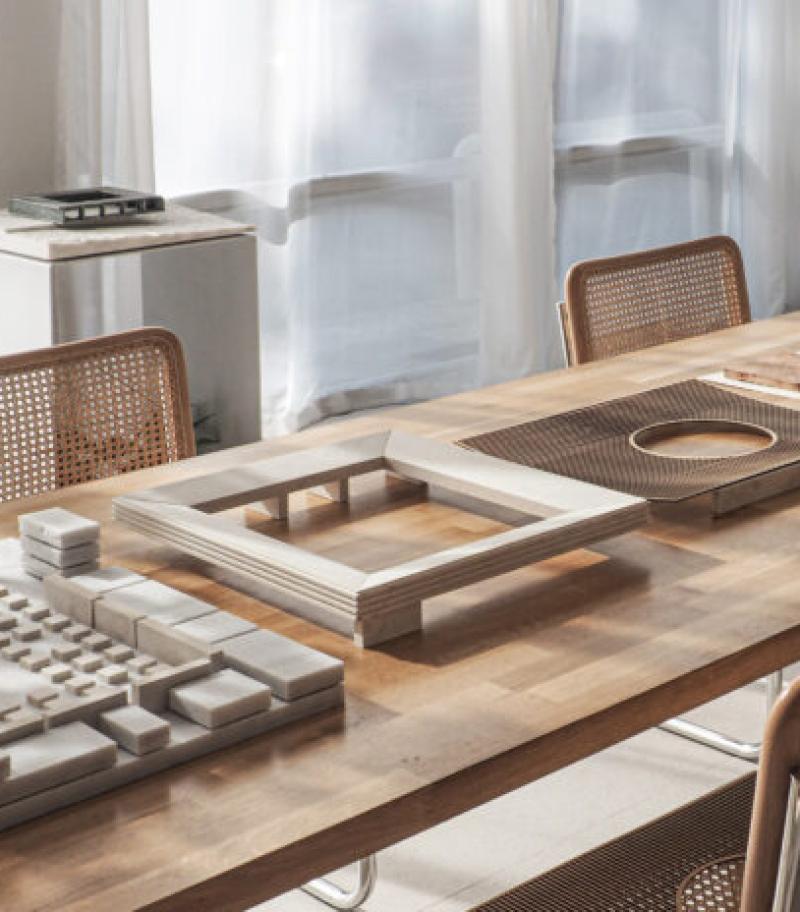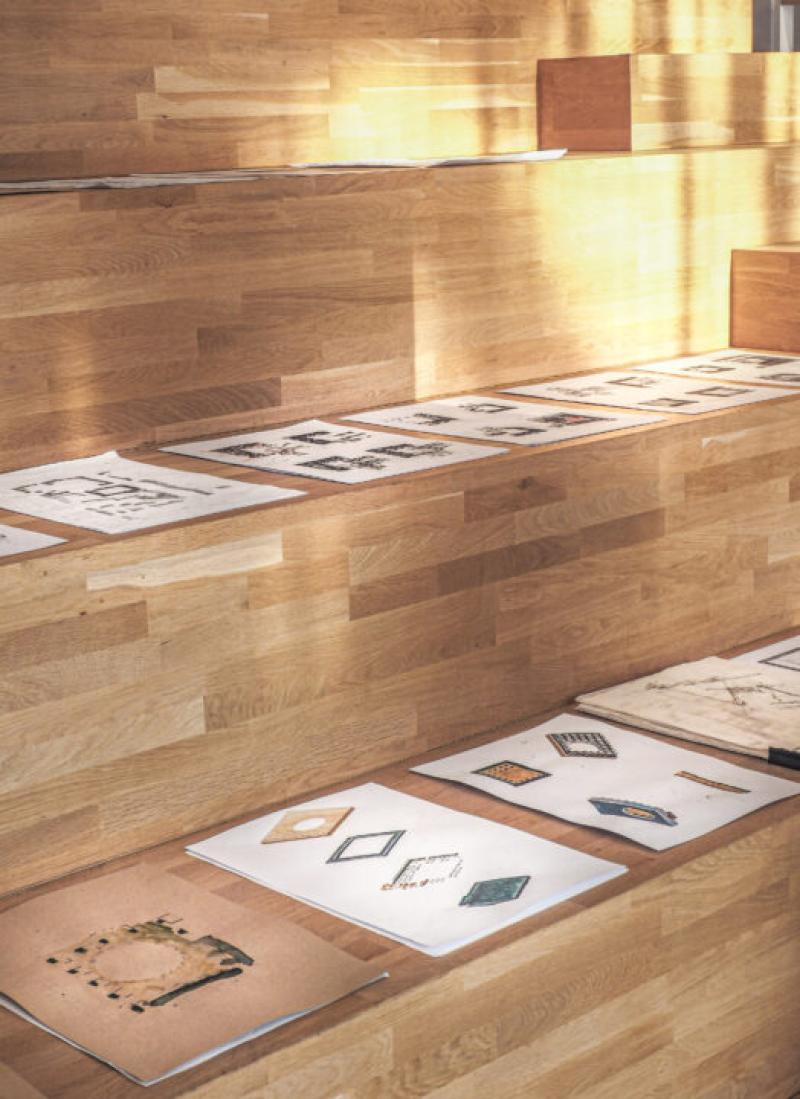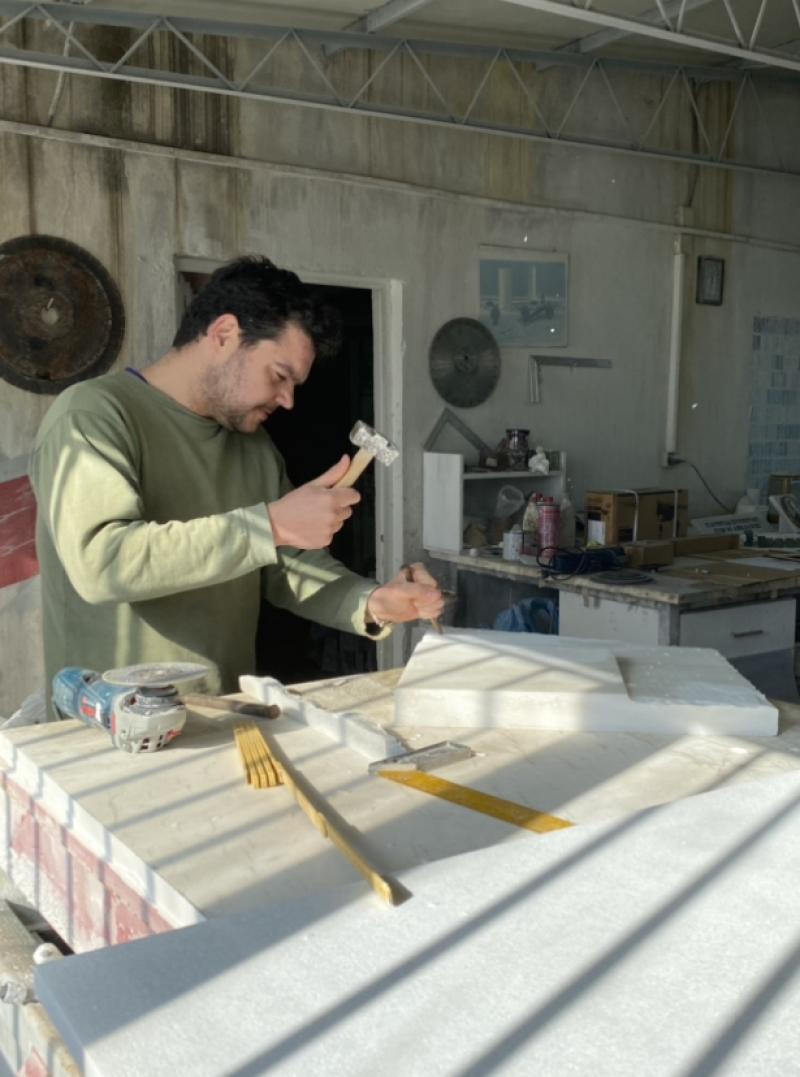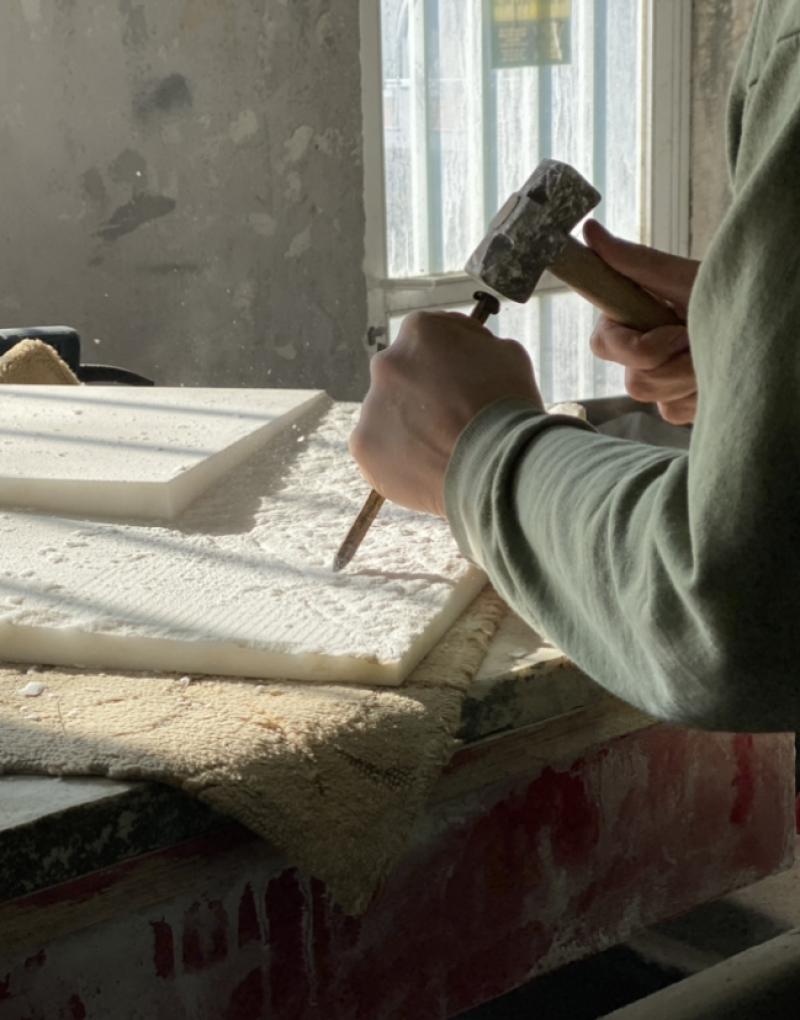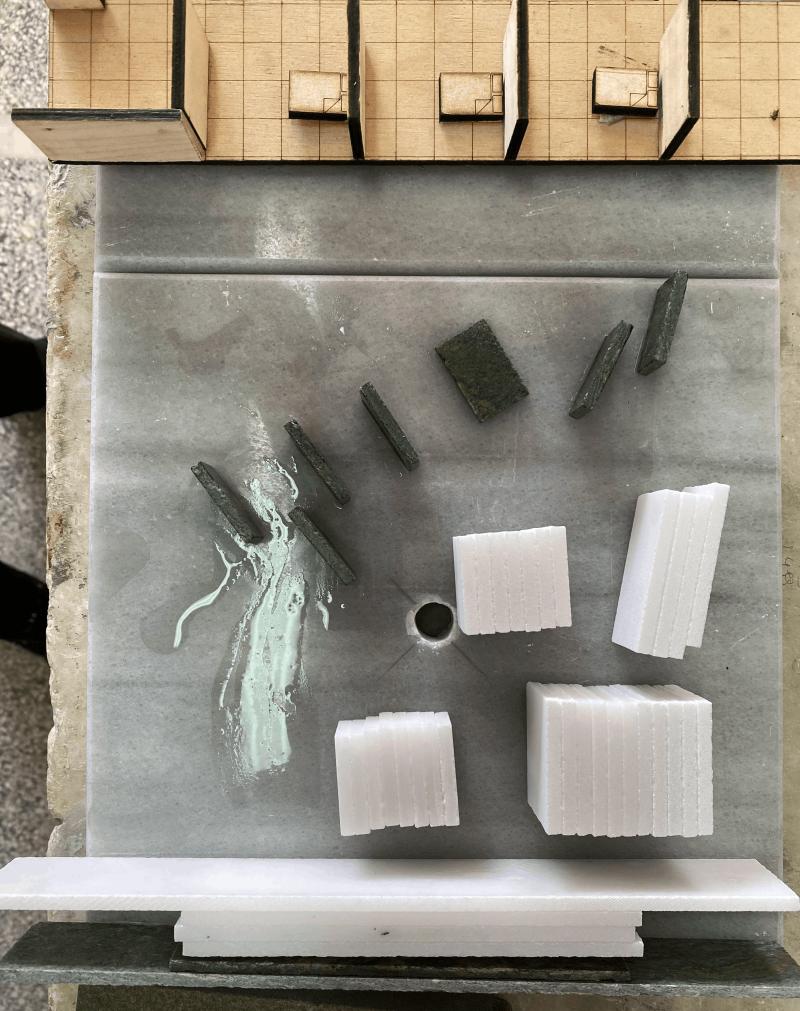
Models are an essential part of our work, especially during the design process. They allow us to test ideas, clarify relationships, and gradually understand the architectural structure of each project. In our practice, models can be understood in three broad categories. The first includes conceptual models, usually made at scales such as 1:500 or 1:200, using simple materials such as chipboard, cardboard, foam, or plaster. These models help us form the main idea of a project and examine its relationship with the site. While the topography is often constructed in cardboard, the material used for the architectural proposal depends on the nature of the project and the type of spatial idea we are trying to develop. Once the main idea becomes clear, the process moves toward reduction. At this stage, we try to address function, structure, and environmental conditions through the formation of the primary architectural structure itself. An important part of this phase is the use of marble models, a practice that began with the Linear Habitat project and has since become part of our method. Working with stone raises a simple but important question: what is essential to communicate? These models help us read the hierarchy of our decisions and understand what remains necessary for the project. The third category includes detailed models, usually produced during the construction documents phase at scales such as 1:25 or 1:33. We construct these models in plywood while developing the construction documents and before construction begins. They help us study construction sequences, identify technical challenges, and share this knowledge with consultants, craftsmen, and workers involved in the realization of the project.
We create conceptual models with materials available at the studio, and in collaboration with ANT Workshop (Eva Gkonta) for laser cutting materials when needed, as well as marble models, in collaboration with Dousis Marble (Konstantinos Dousis, Panagiotis Vasilakis, Nikolaos Doulos).
Connect with architects, modelmakers, and students worldwide. Showcase your work, discover networking opportunities, and be part of the future of architectural innovation that appreciates and preserves the use of physical modelmaking in personal and professional architectural design process.
Join architects and modelmakers around the world.
You'll be taken to the next stage of the sign up process where you can provide more details about your practice.