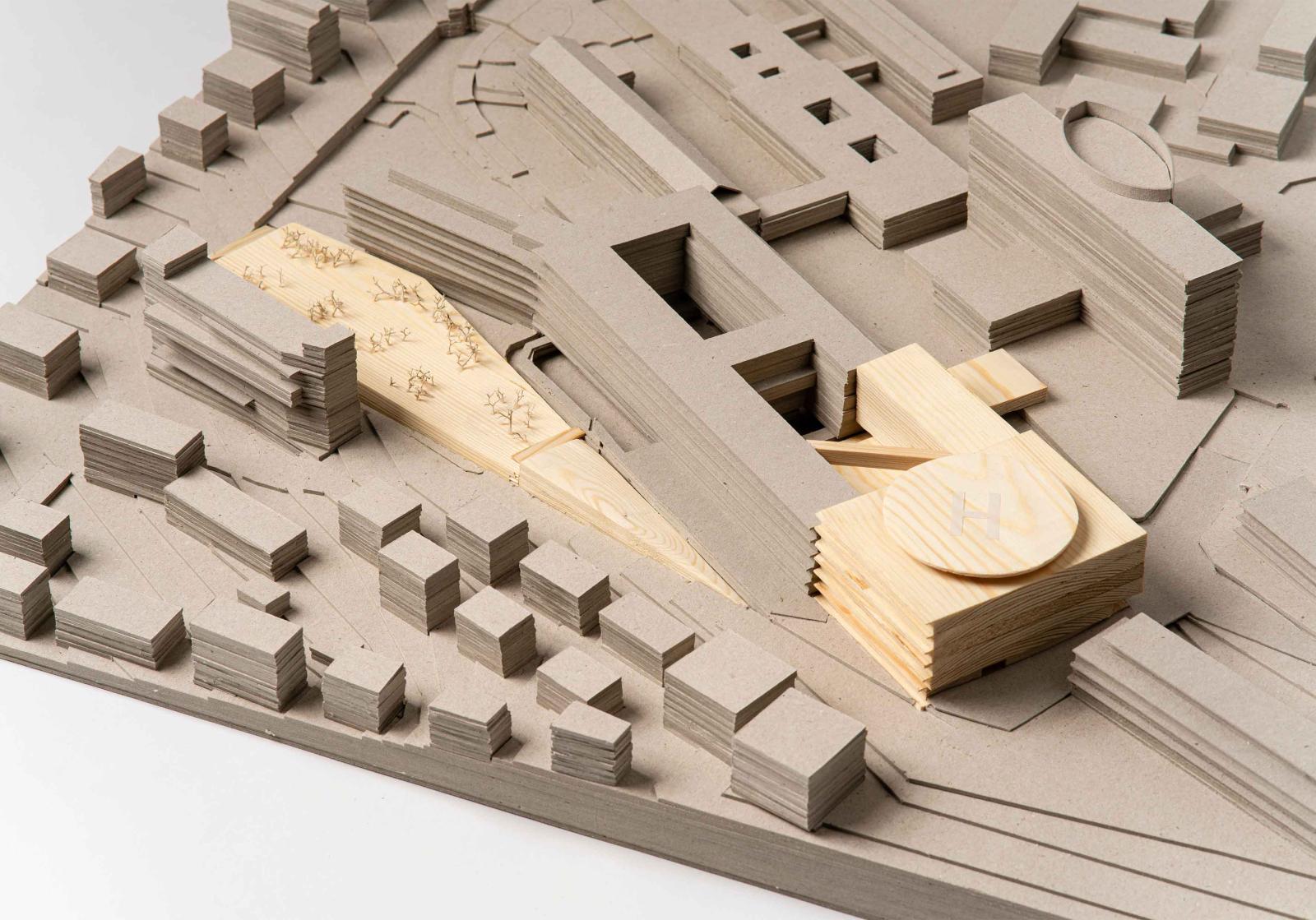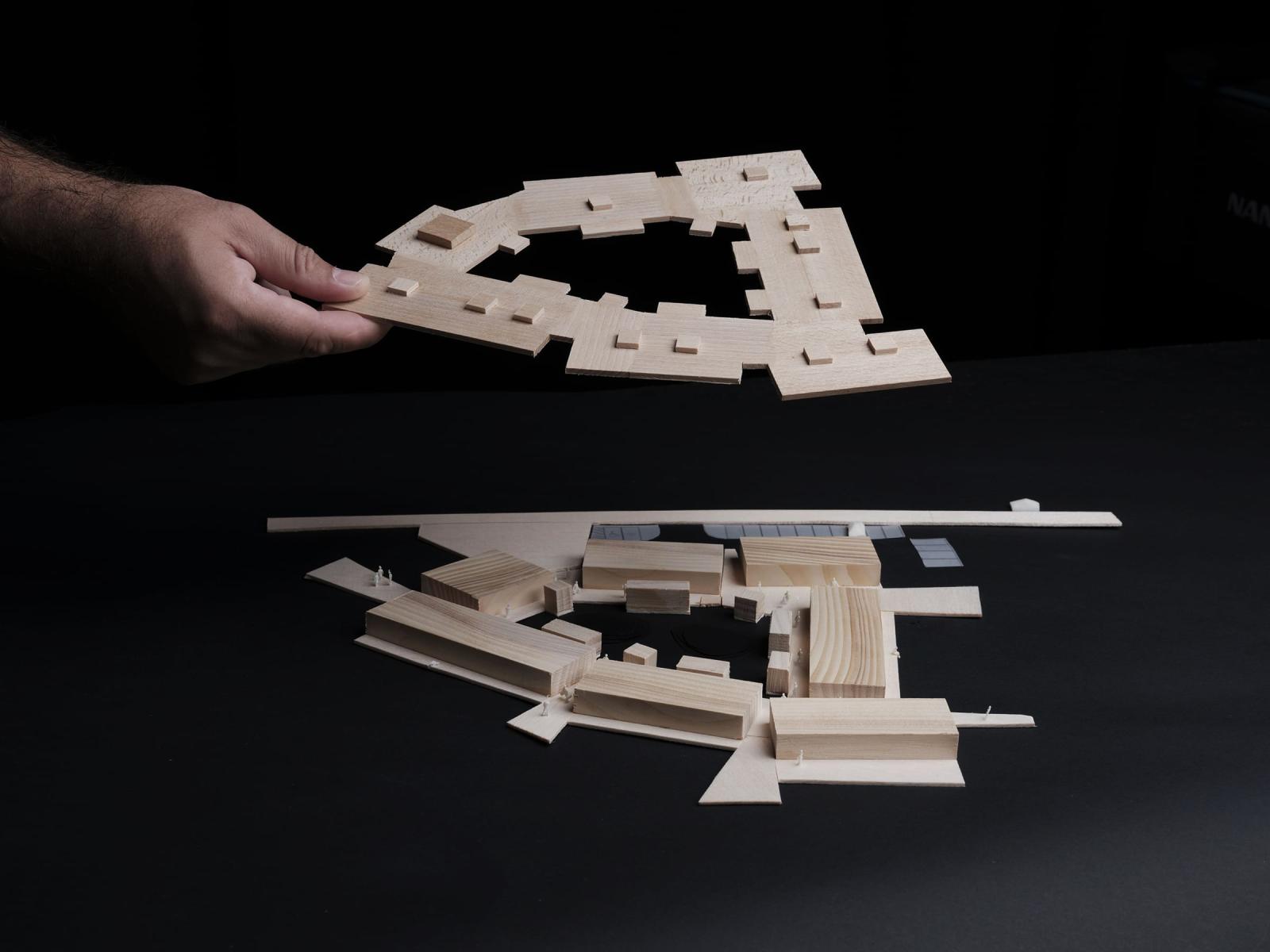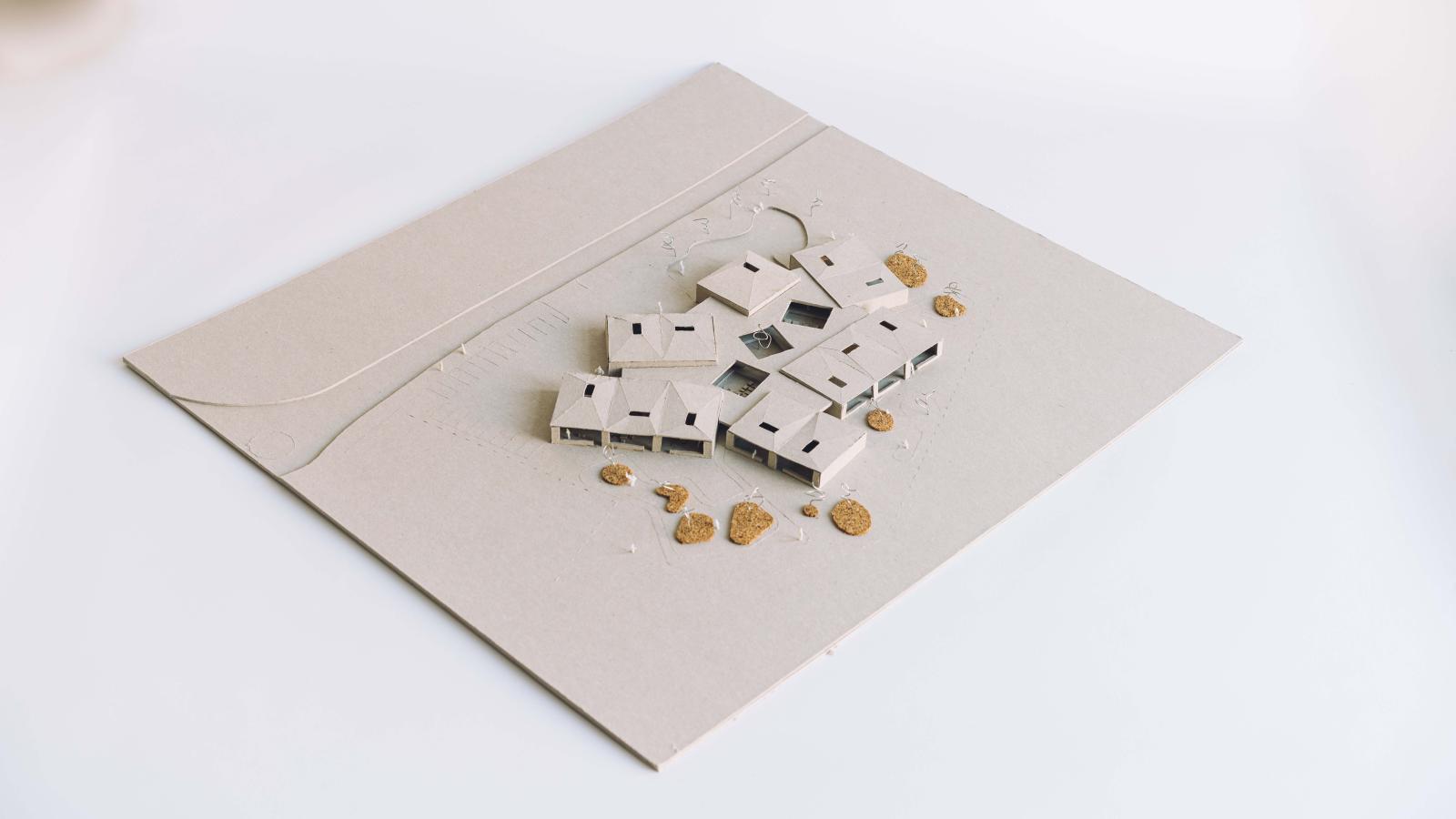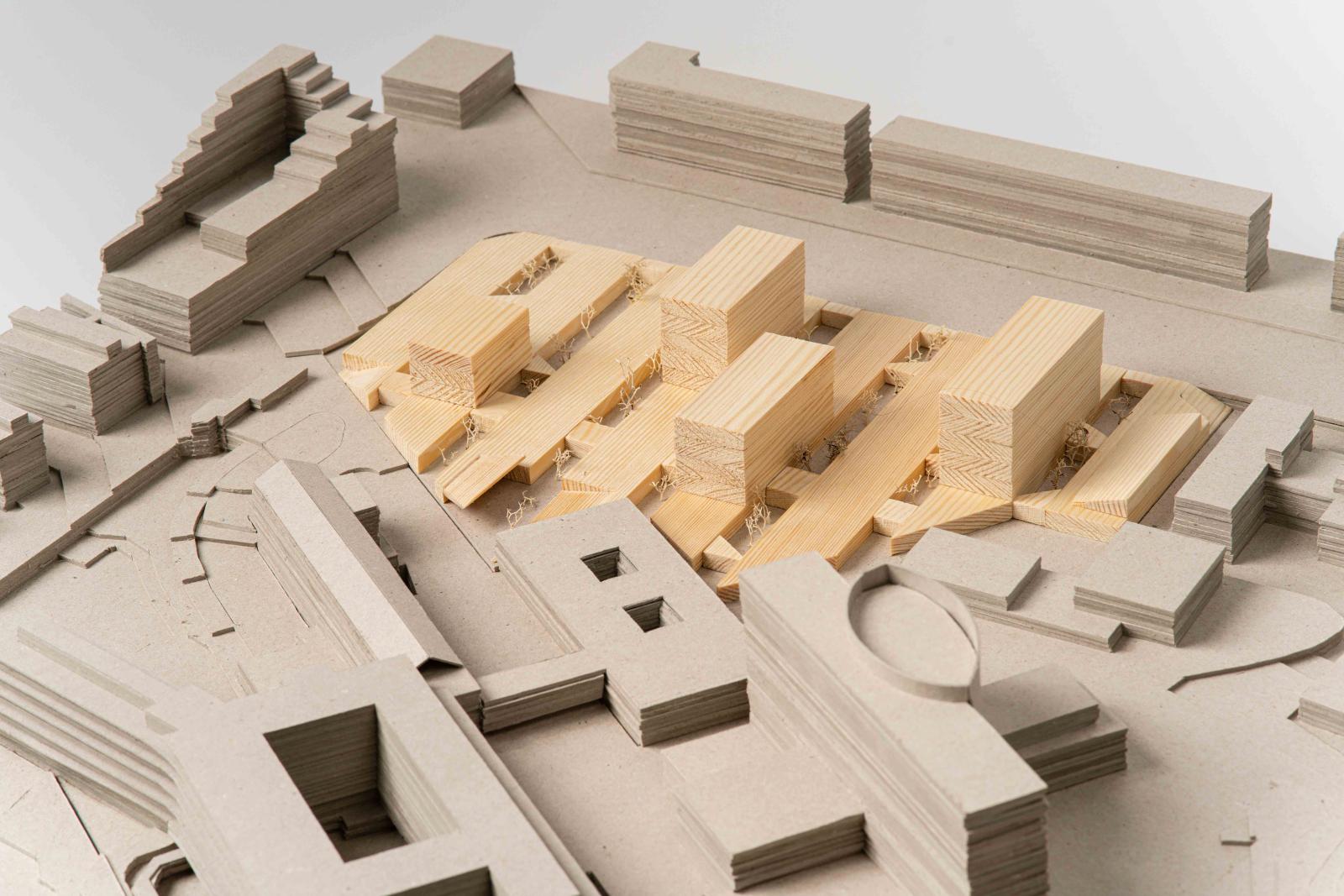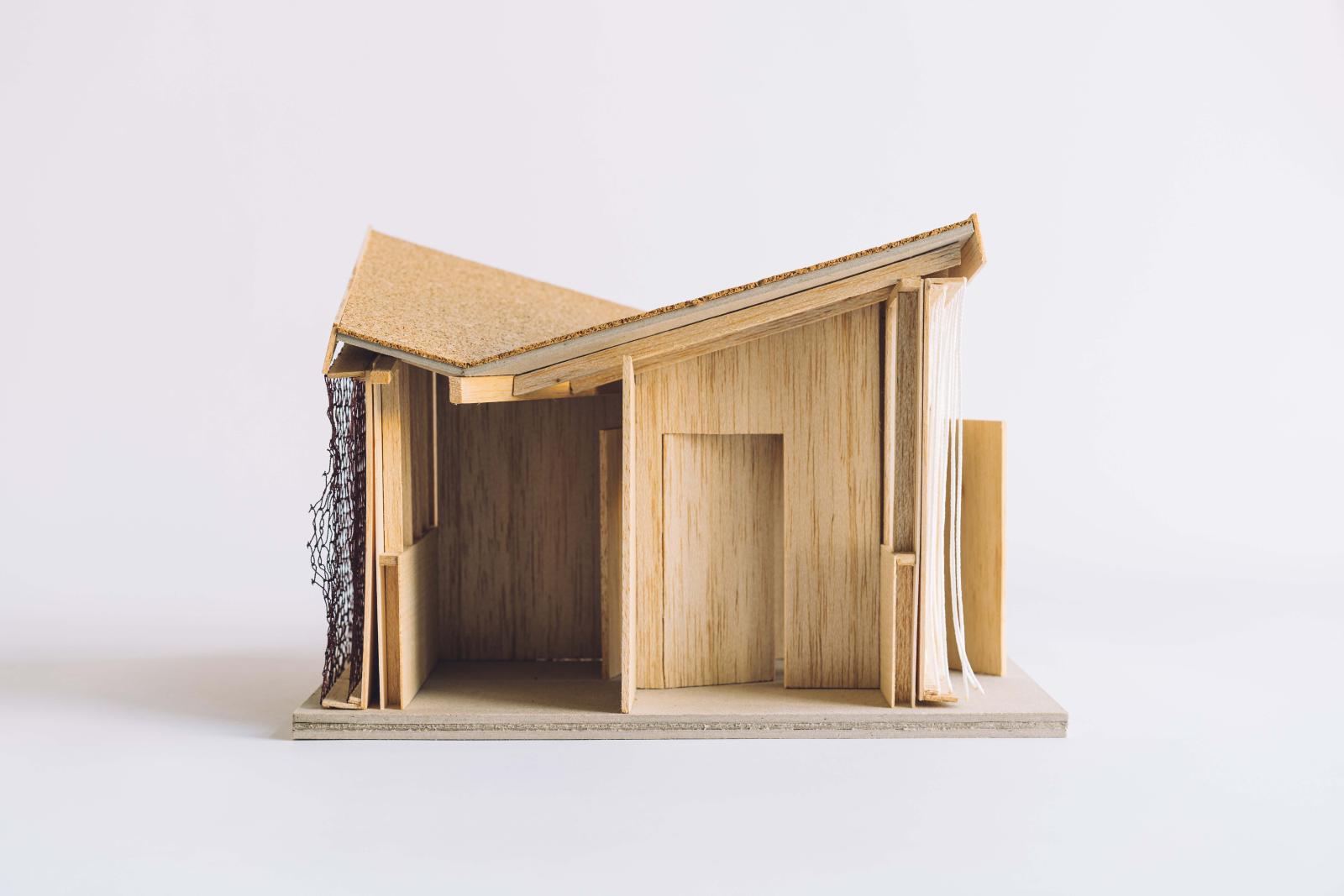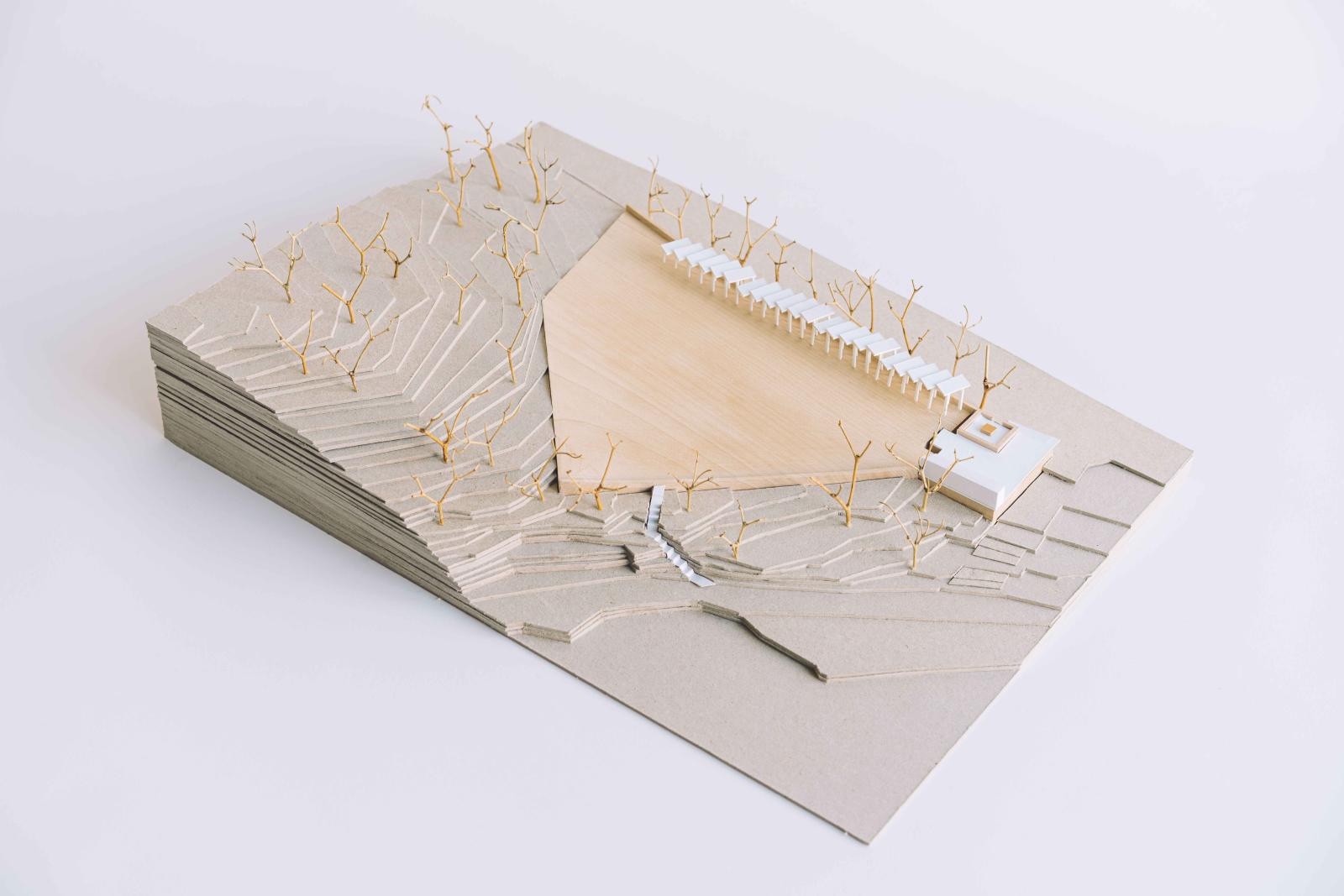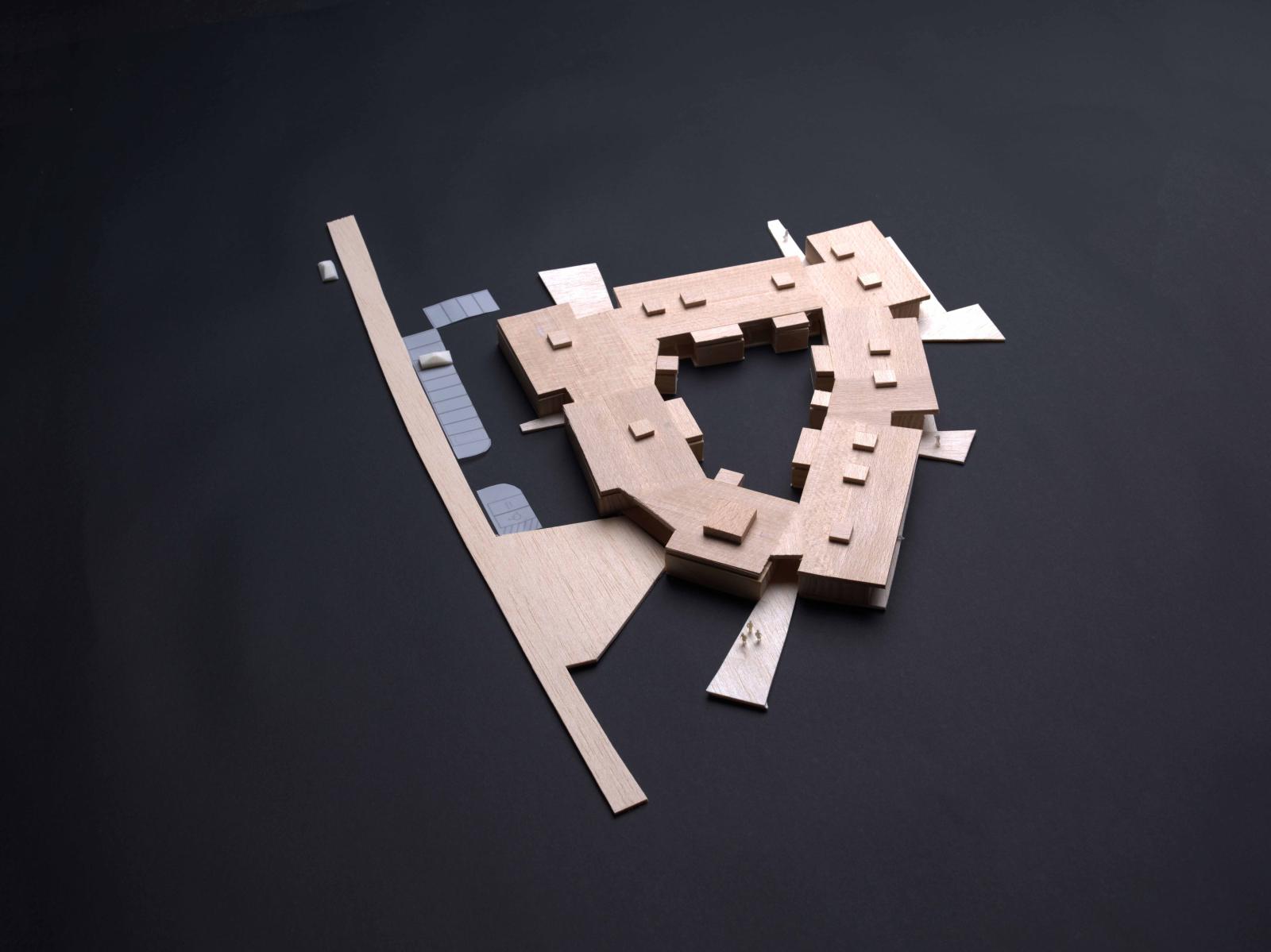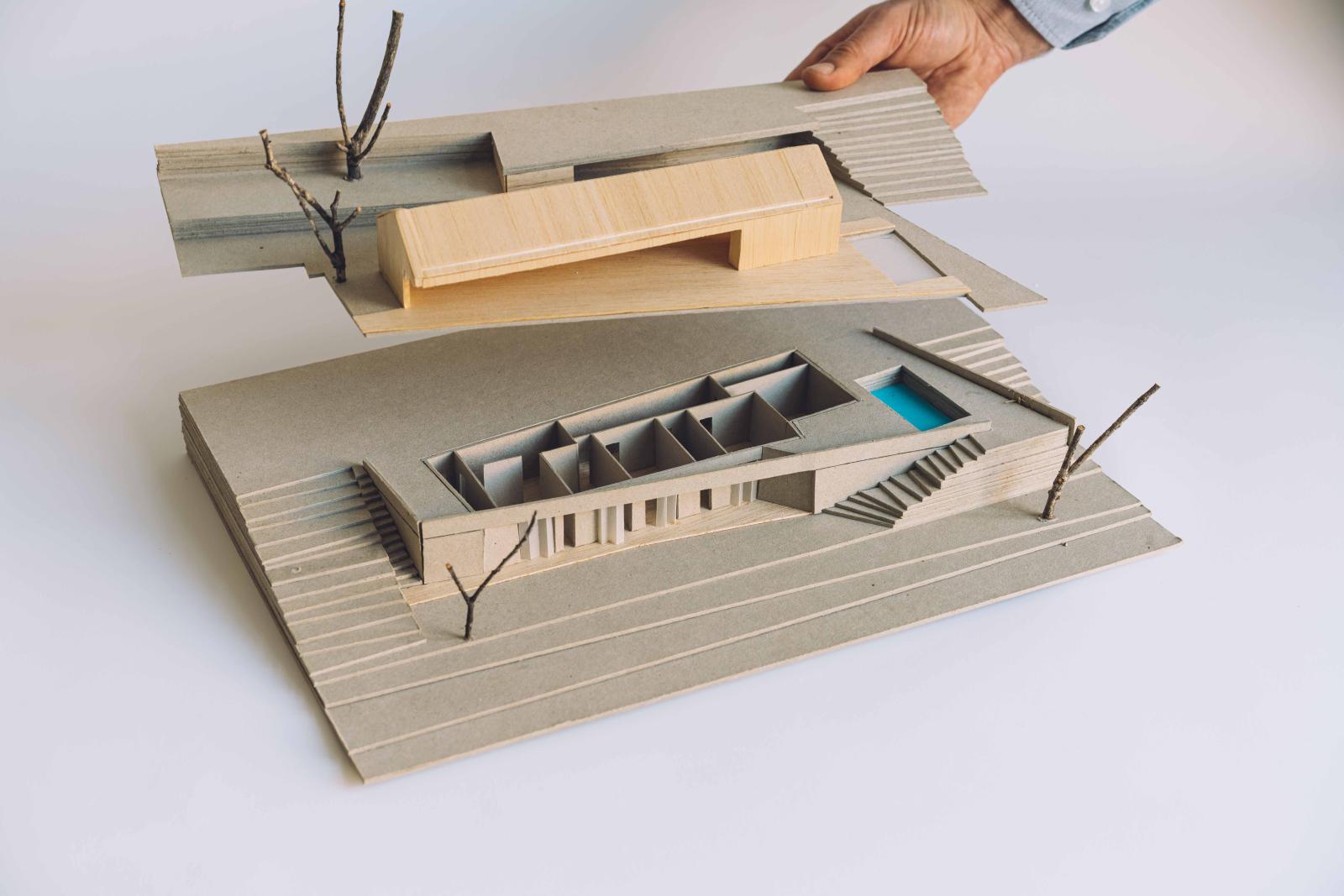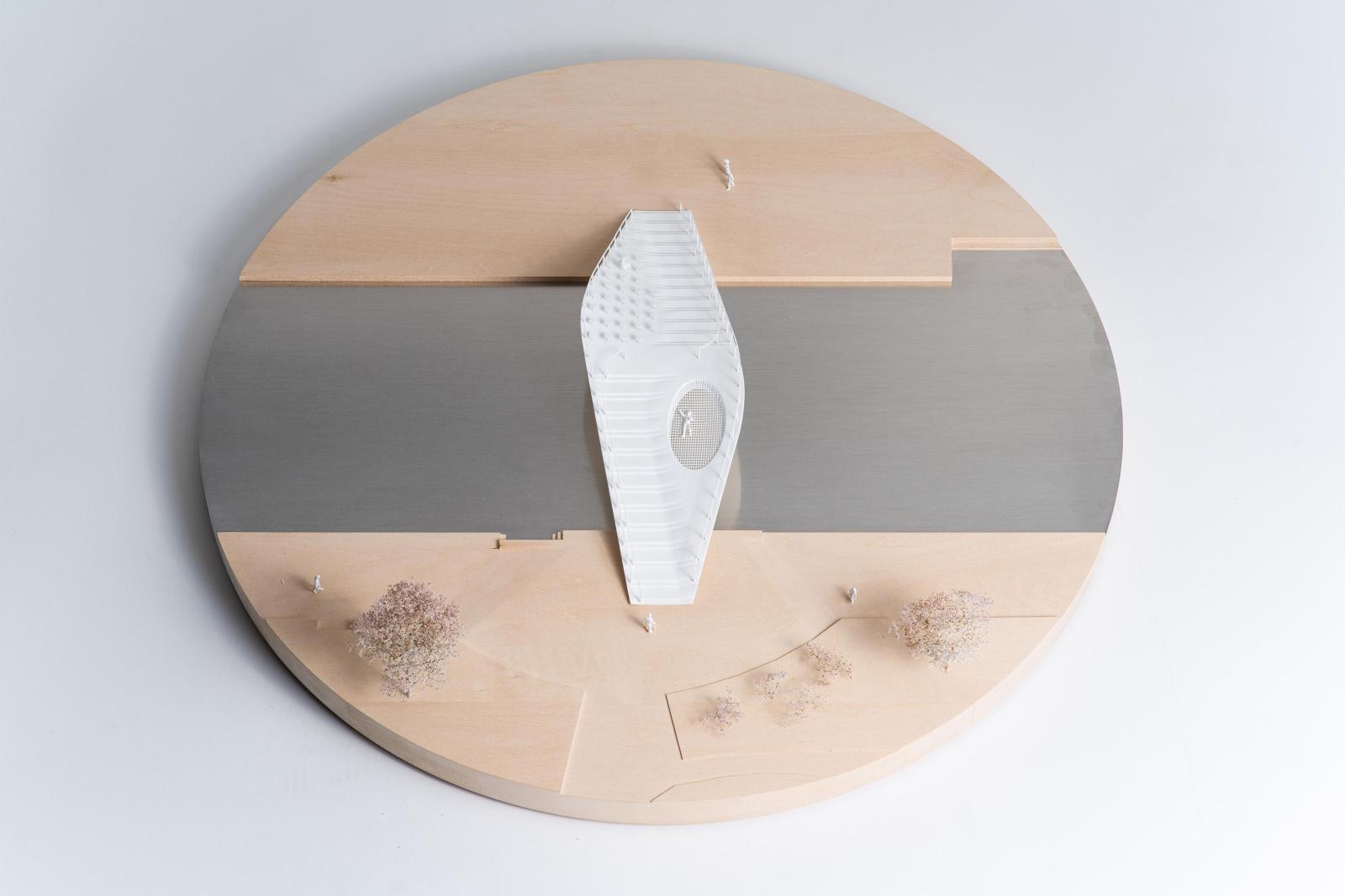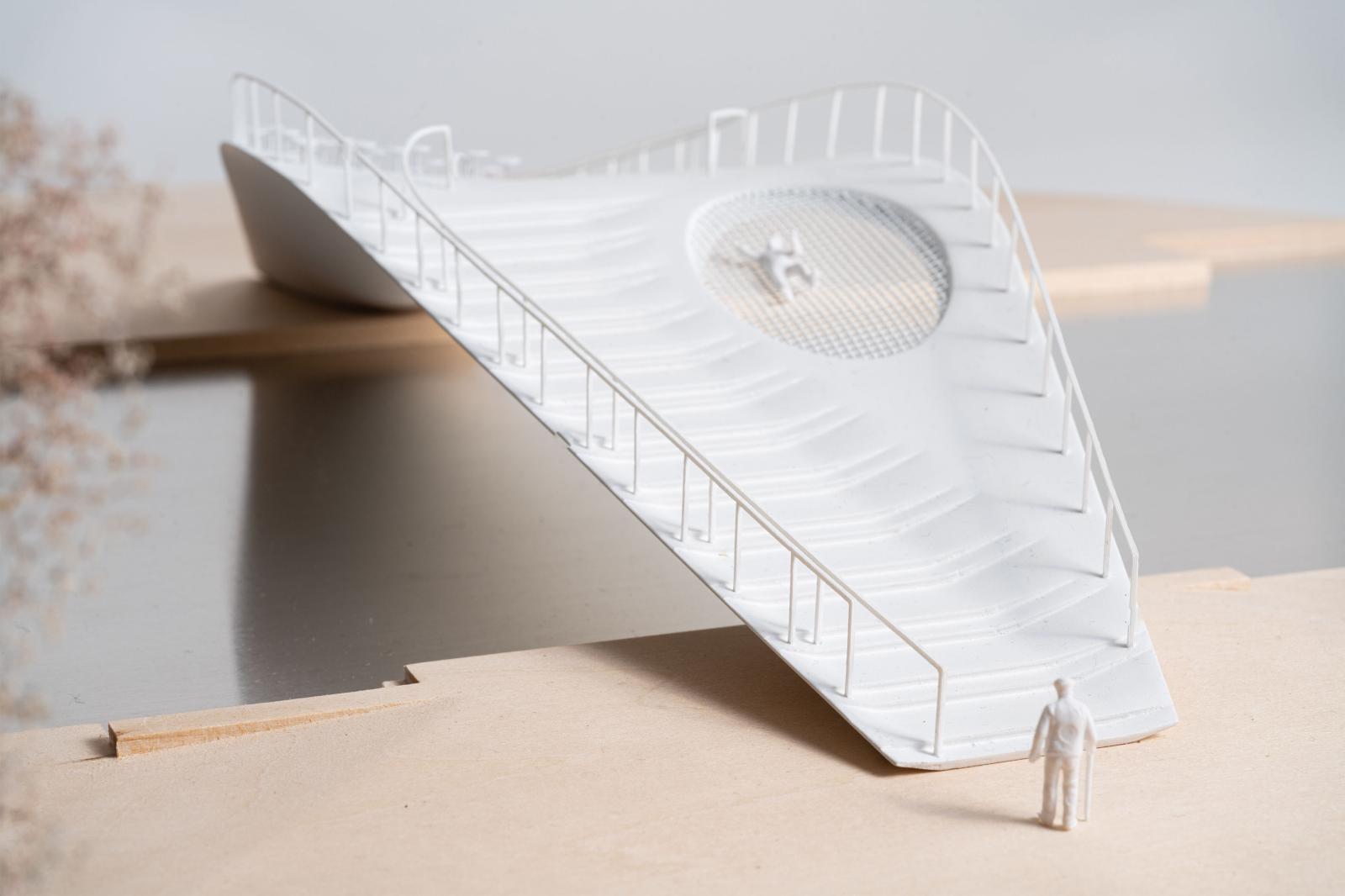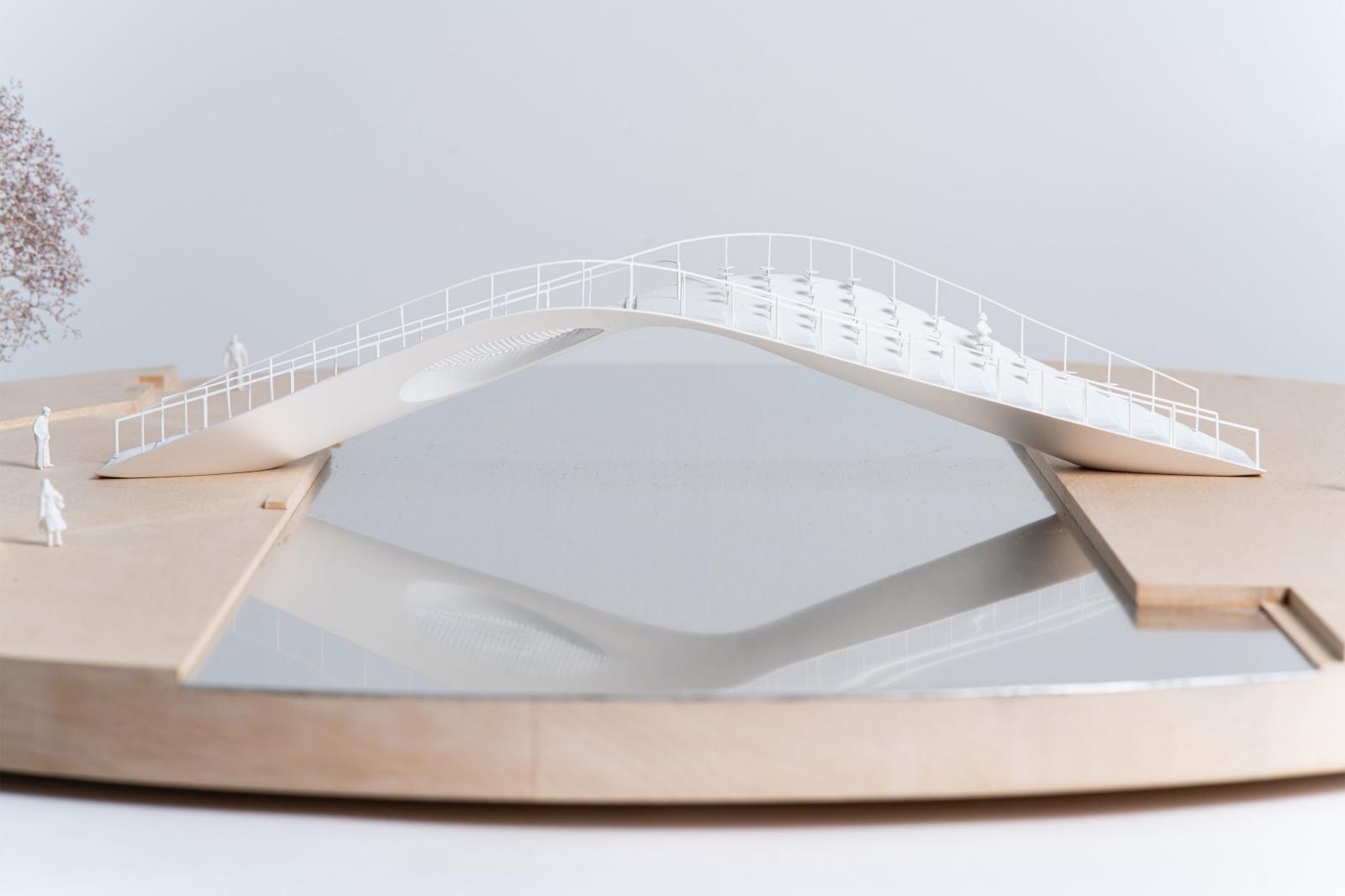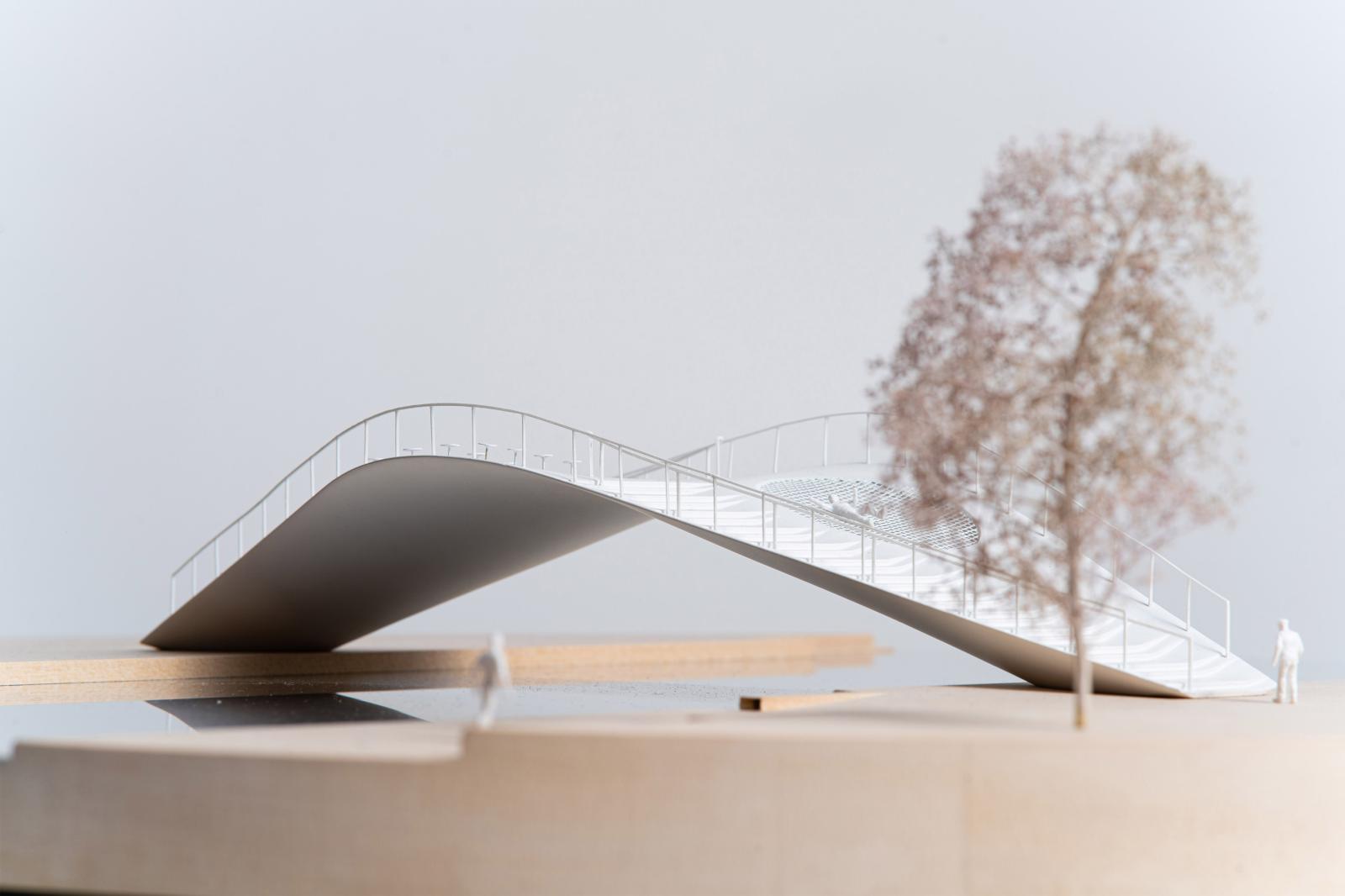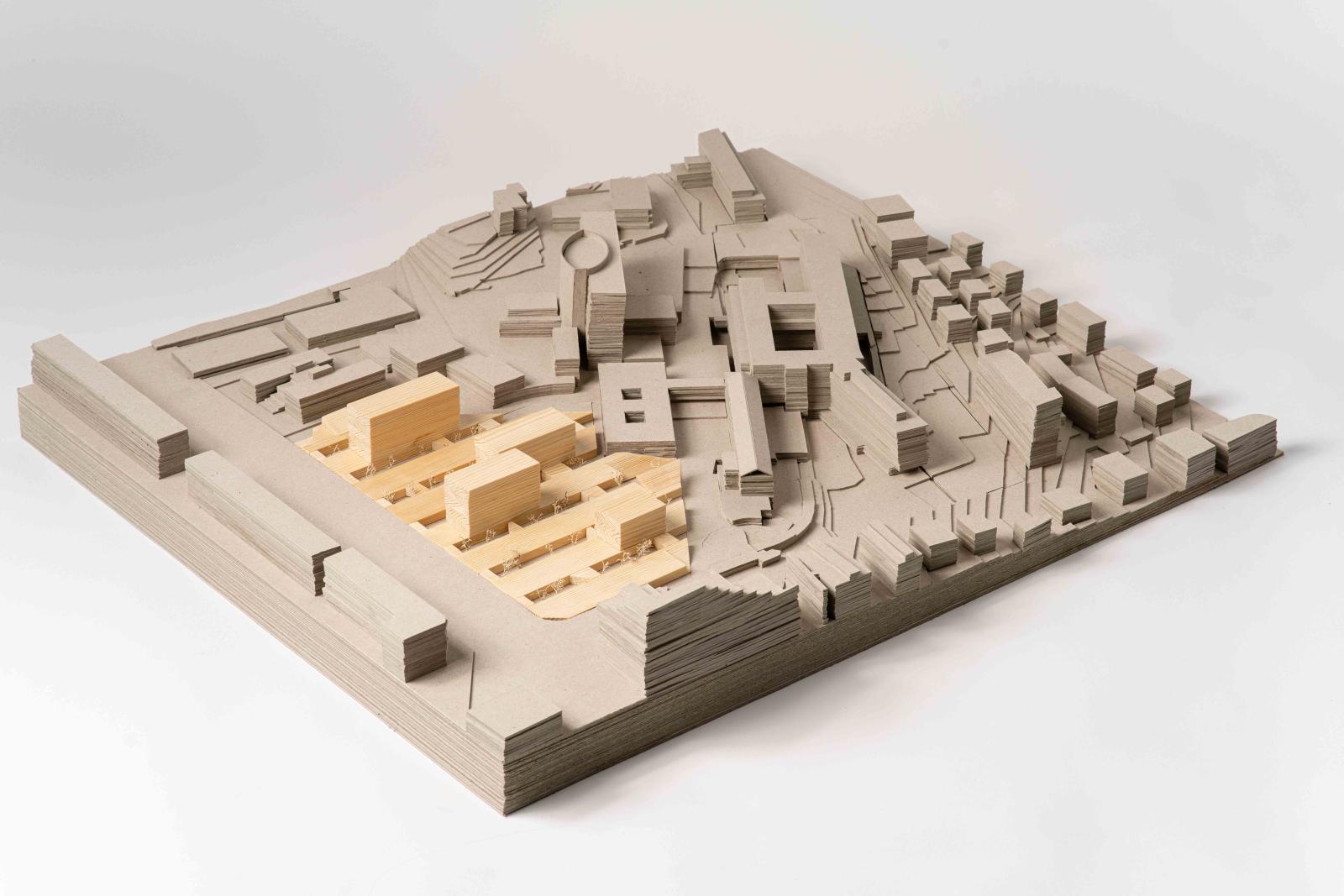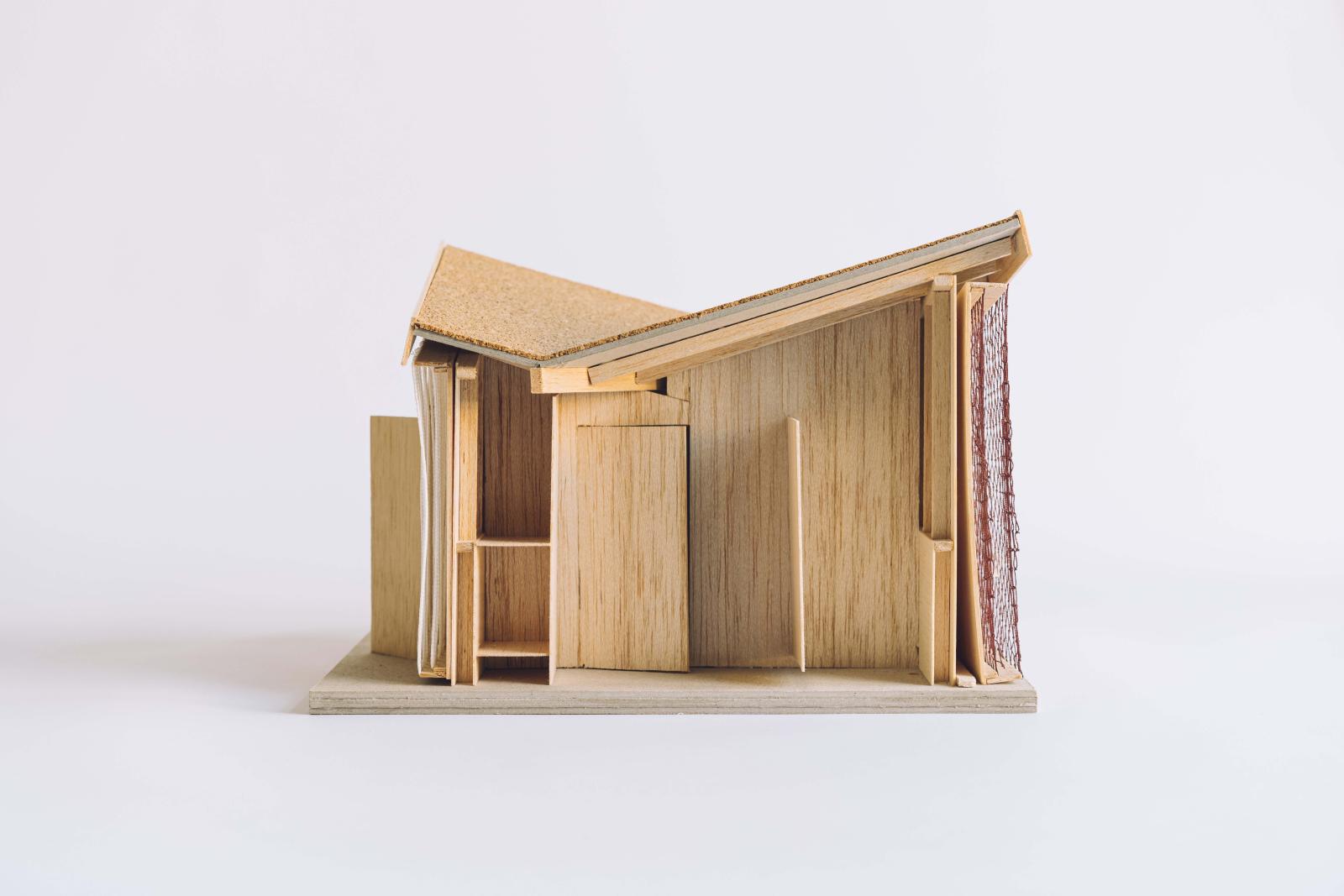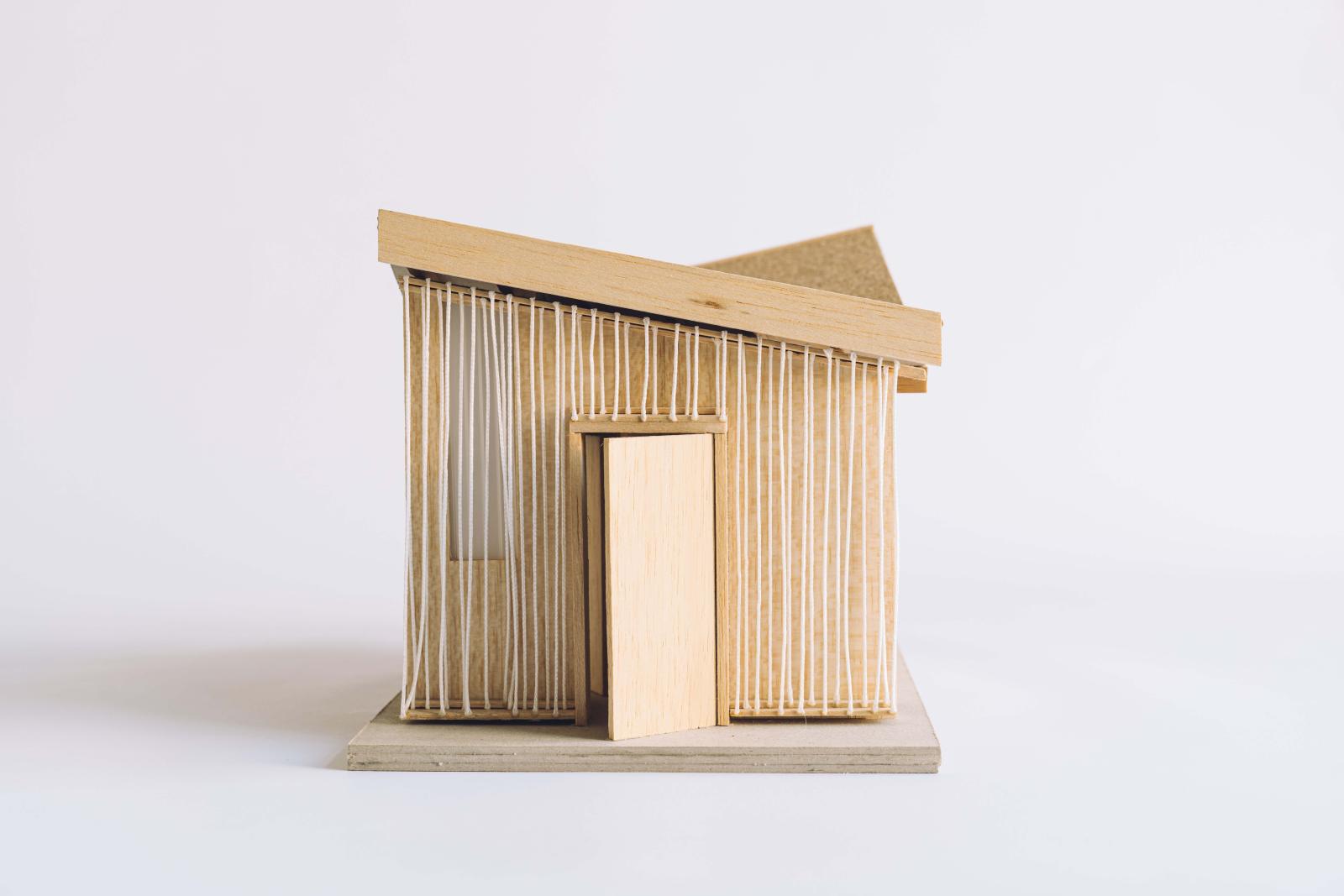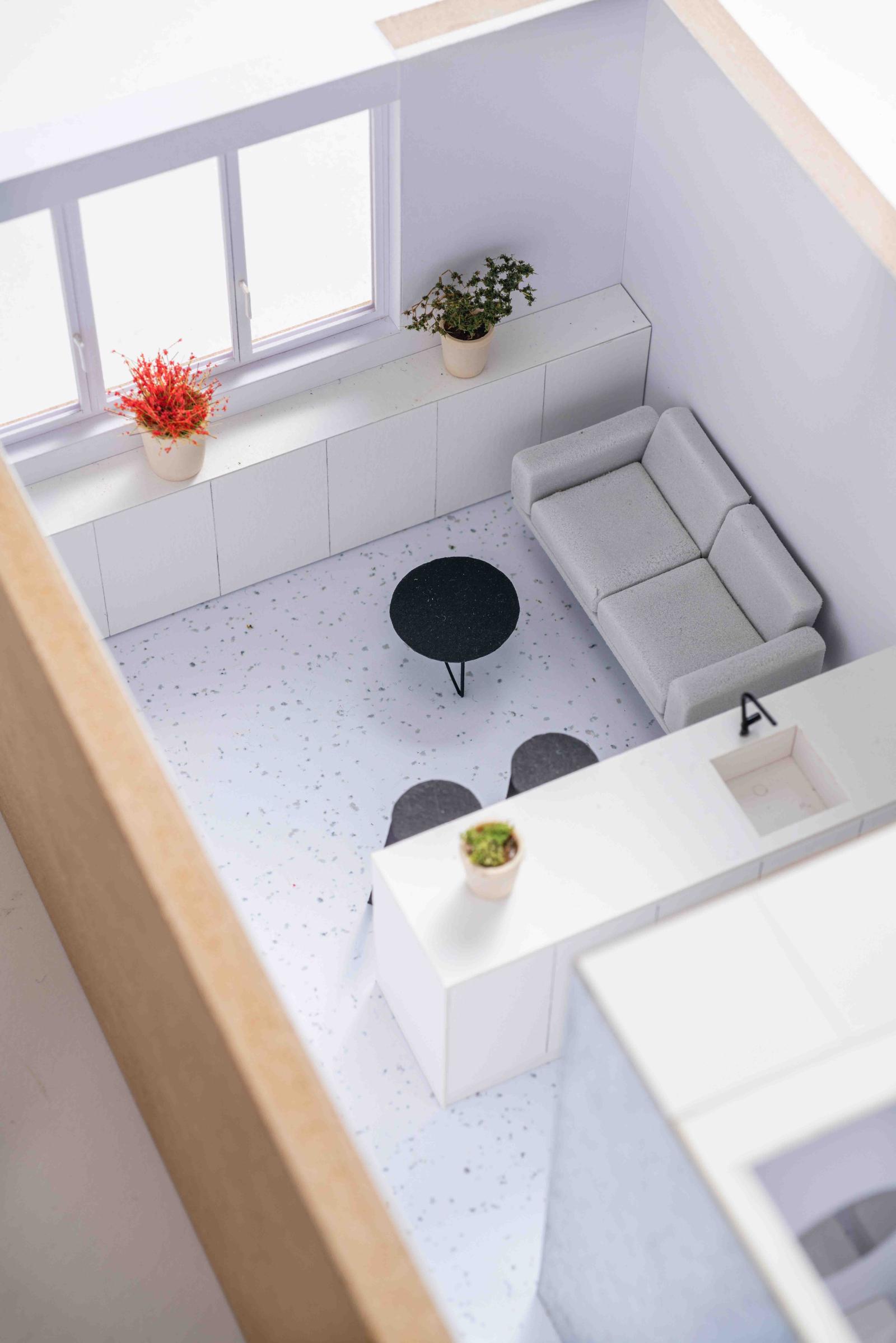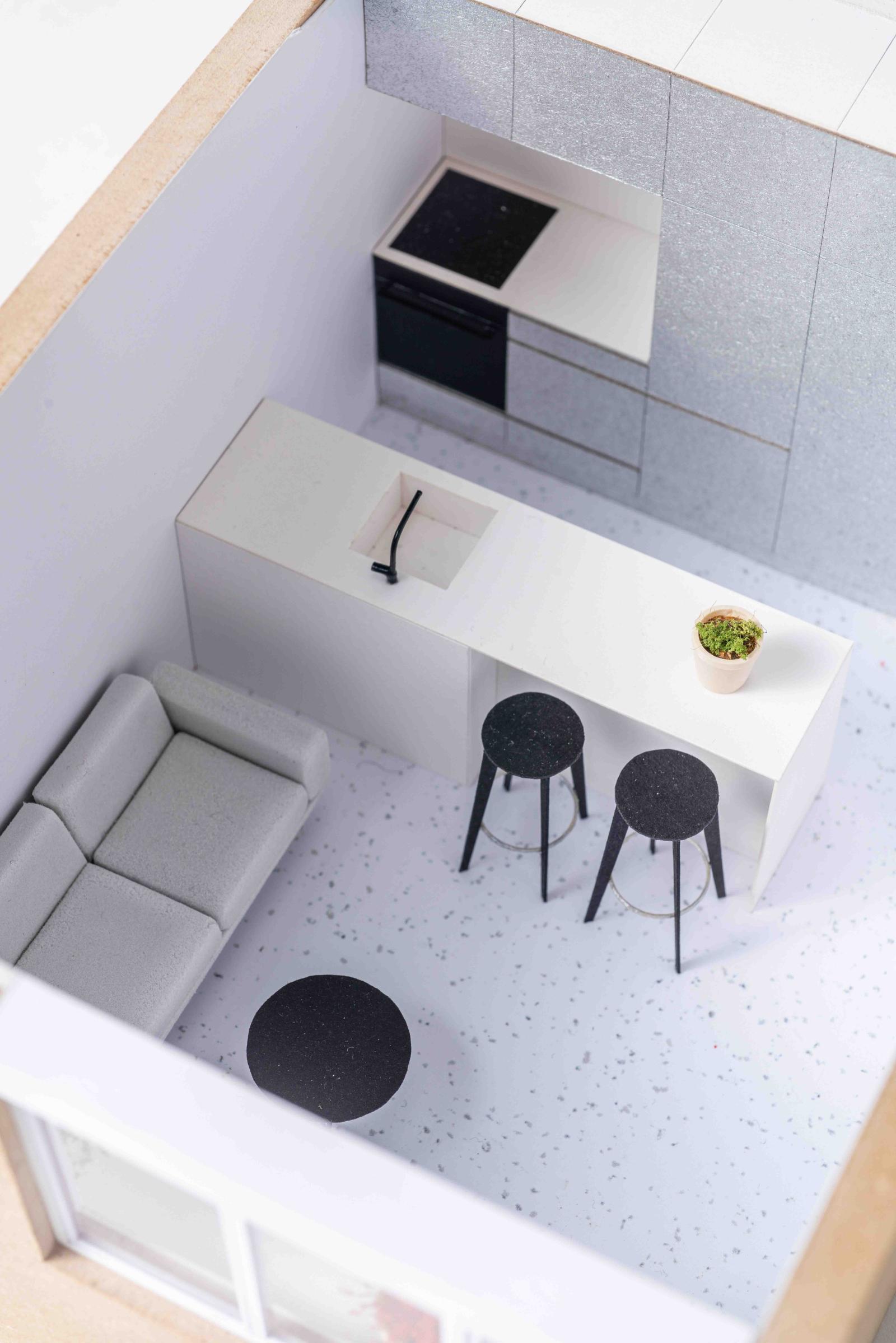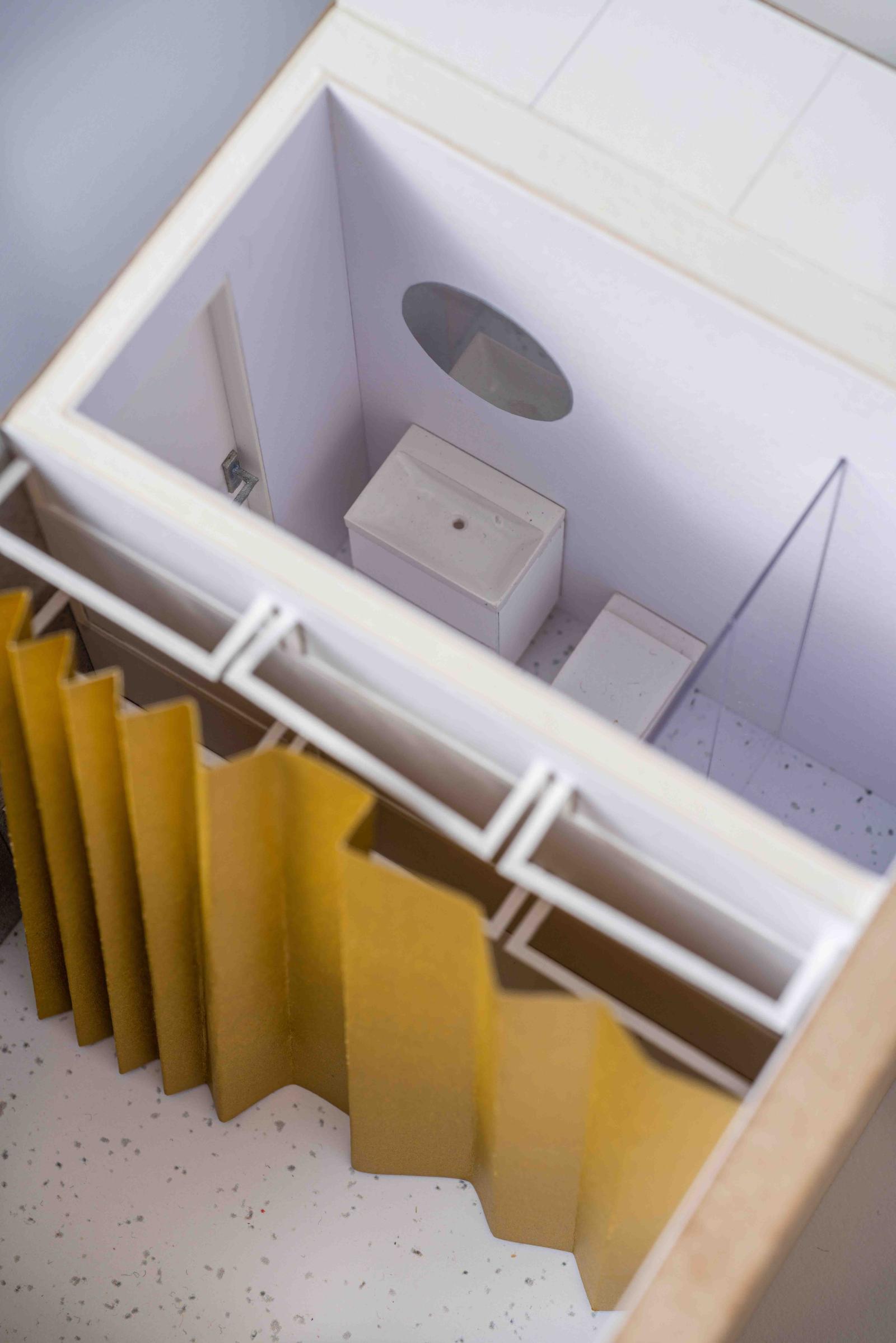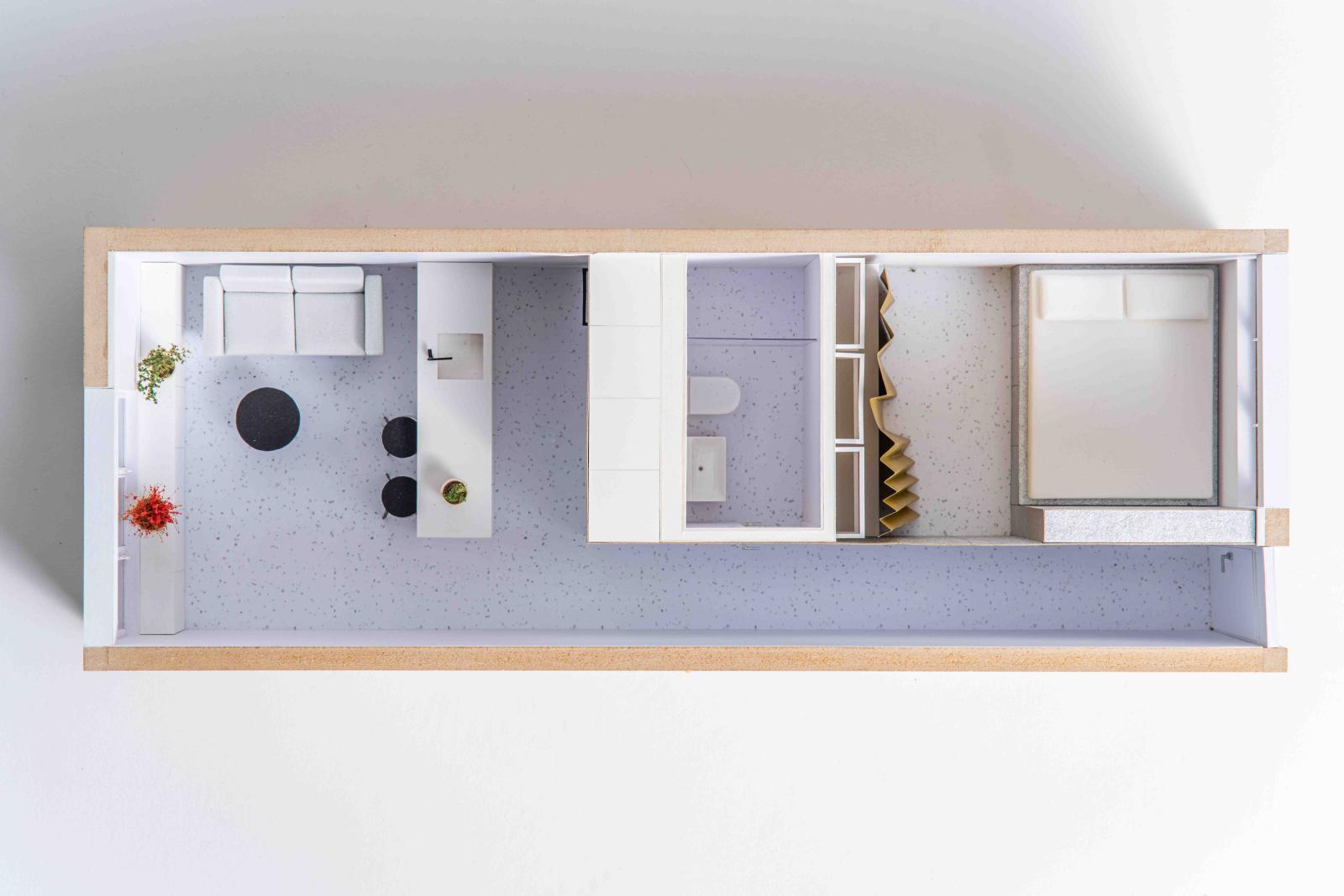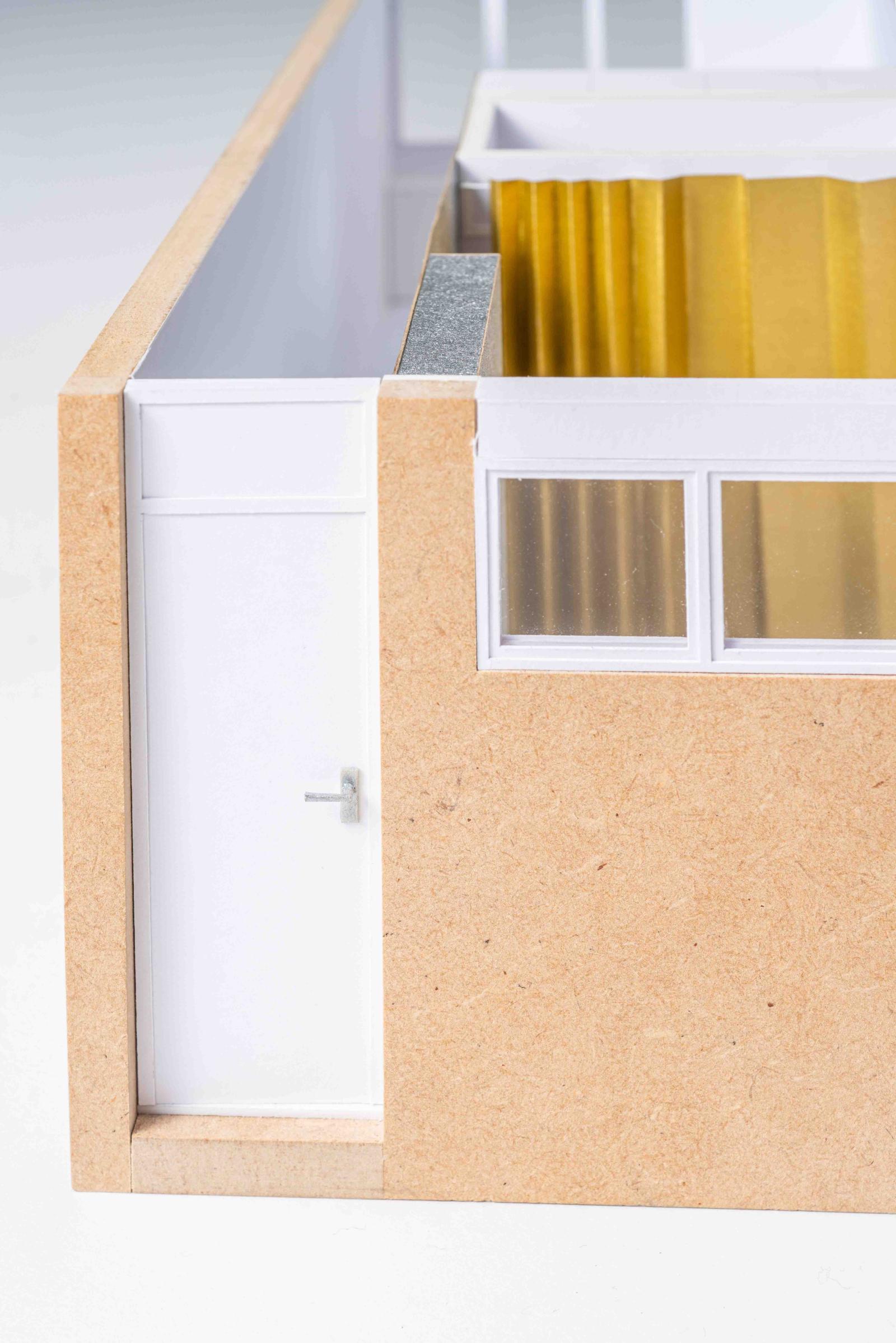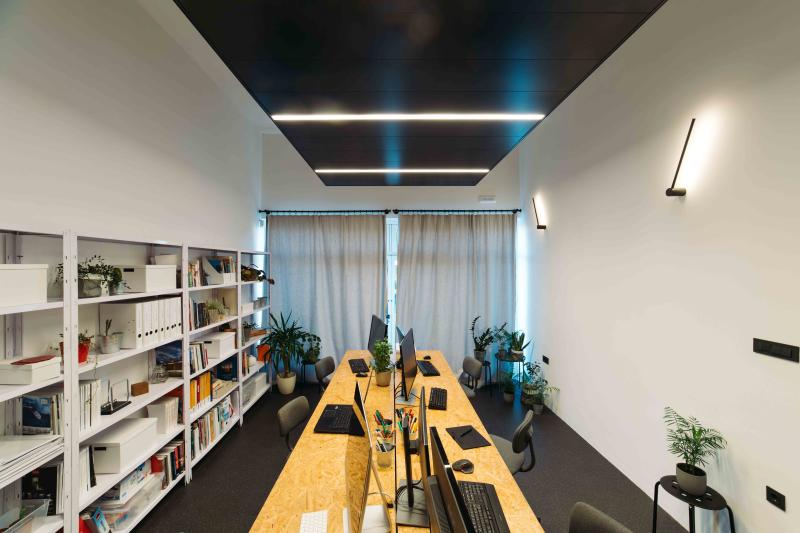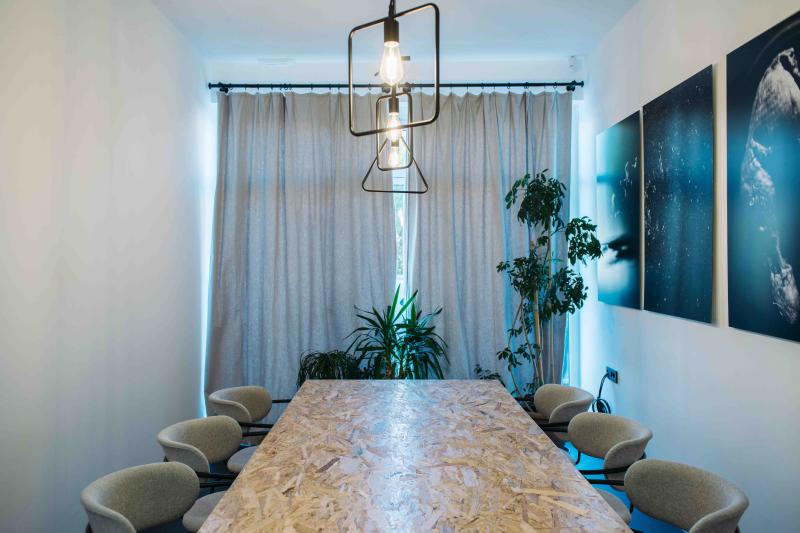
At Prostorne Taktike d.o.o., an architectural and urban planning office dedicated to creating innovative, sustainable, and socially responsible spaces, physical models are central to our design process. We use models primarily for communication, testing ideas, and presentations.
Modelmaking allows us to test and refine concepts, often pushing the design in unexpected directions where innovative solutions emerge. Physical models are frequently the first tangible manifestation of an idea, helping us think through typologies, light, materials, and spatial relationships. They shift scale seamlessly, from site and urban context down to joinery details.
Before designs are resolved, models help us understand how a project sits within its site, how streetscapes and landscapes interact, and where potential risks or hidden opportunities may lie. As projects develop, modelmaking remains an iterative tool—checking ideas, exploring alternatives, and confirming resolutions.
Models are especially important for final presentations, being easy to understand, without unnecessary details, and without the materials required for digital renders. Whether conceptual, iterative, or presentation-focused, models in our office are more than a tool; they are a means of architectural thinking, testing, and discovery.
At Prostorne Taktike d.o.o., modelmaking is an iterative and integral part of our design process. Early-stage models are often made from simple, adaptable materials such as cardboard, paper, or foam board, allowing us to explore massing, typology, and spatial relationships quickly and flexibly. These models help us test ideas, refine concepts, and push the design in unexpected directions where innovative solutions emerge.
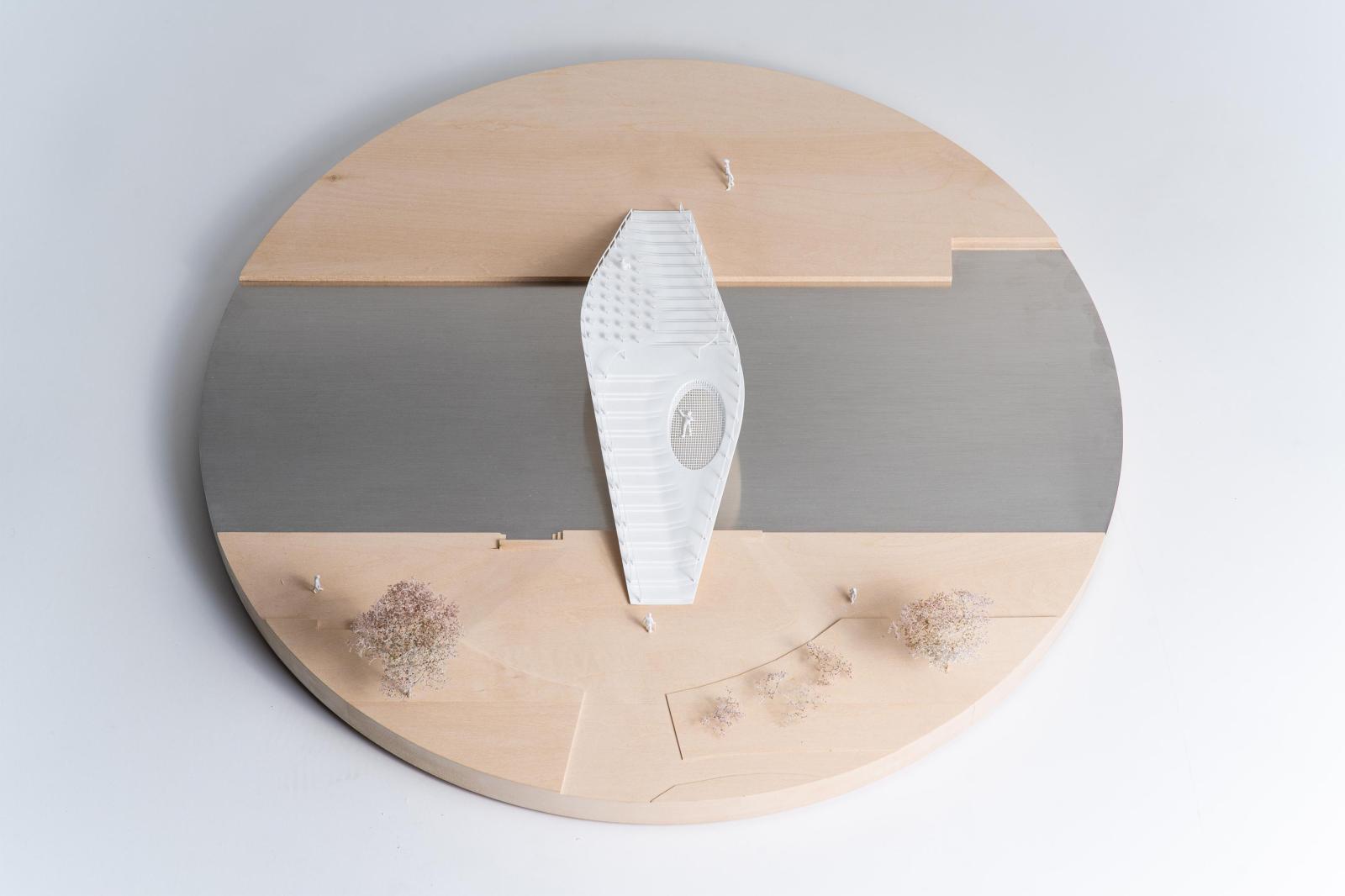
As the design develops, models become more detailed and precise. We incorporate materials like wood, acrylic, and occasionally 3D-printed components to study light, texture, materiality, and construction details. Models shift scale seamlessly—from the broader urban context and site planning down to detailed joinery—helping us maintain a holistic understanding of the project throughout its evolution.
Physical models are used both internally and externally: for design exploration, for community consultation, and for client presentations. They allow stakeholders to understand complex ideas intuitively and make the design process more accessible. Even at final presentation stages, models remain essential, being clear, easy to interpret, and free from the technical or material limitations of digital renders.
Through this layered and hands-on approach, modelmaking in our office is more than a tool for visualization—it is a method of architectural thinking, testing, and discovery that informs every stage of the design process.
Connect with architects, modelmakers, and students worldwide. Showcase your work, discover networking opportunities, and be part of the future of architectural innovation that appreciates and preserves the use of physical modelmaking in personal and professional architectural design process.
Join architects and modelmakers around the world.
You'll be taken to the next stage of the sign up process where you can provide more details about your practice.