Models are a tool for abstraction and mimicry
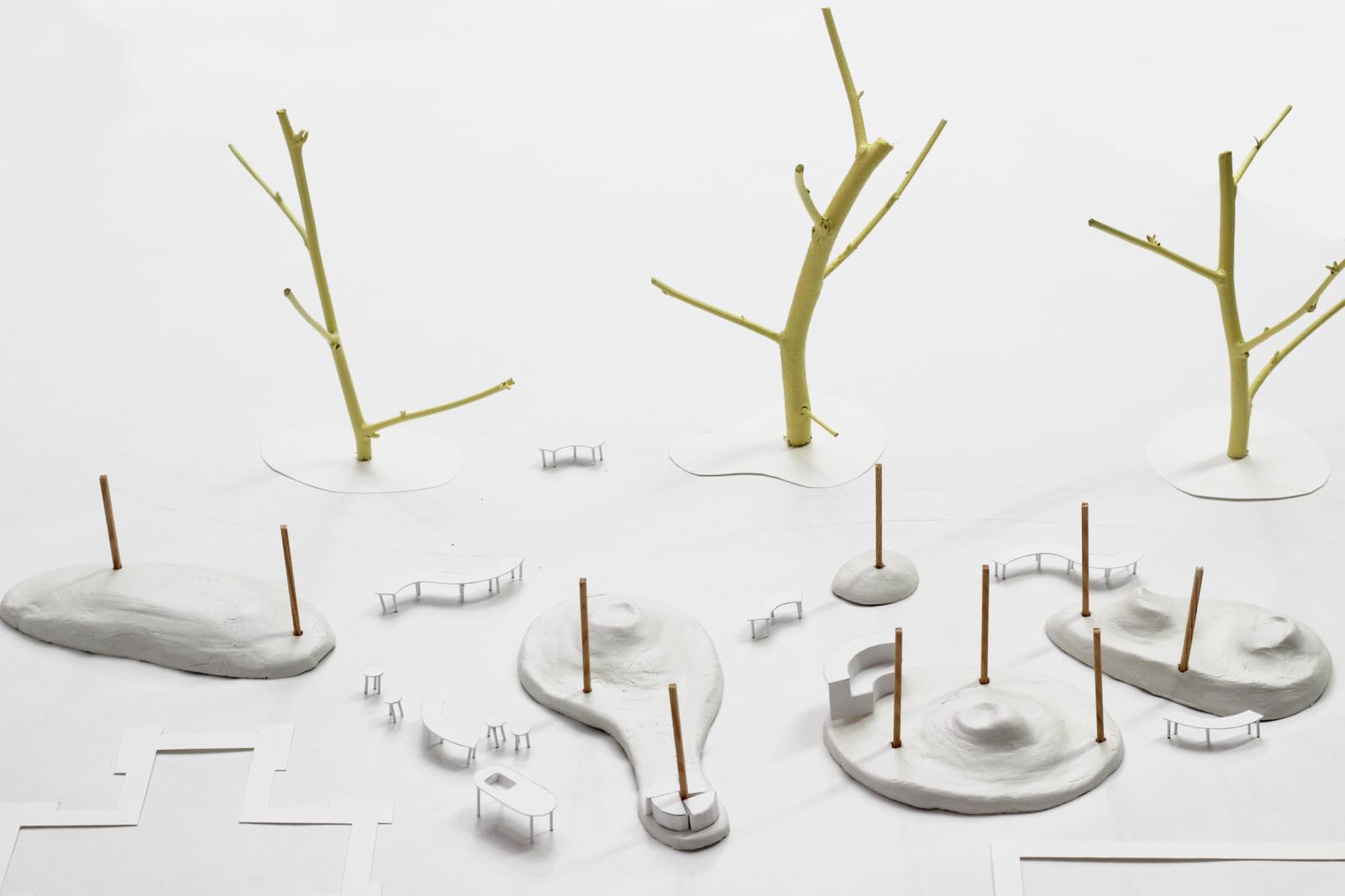
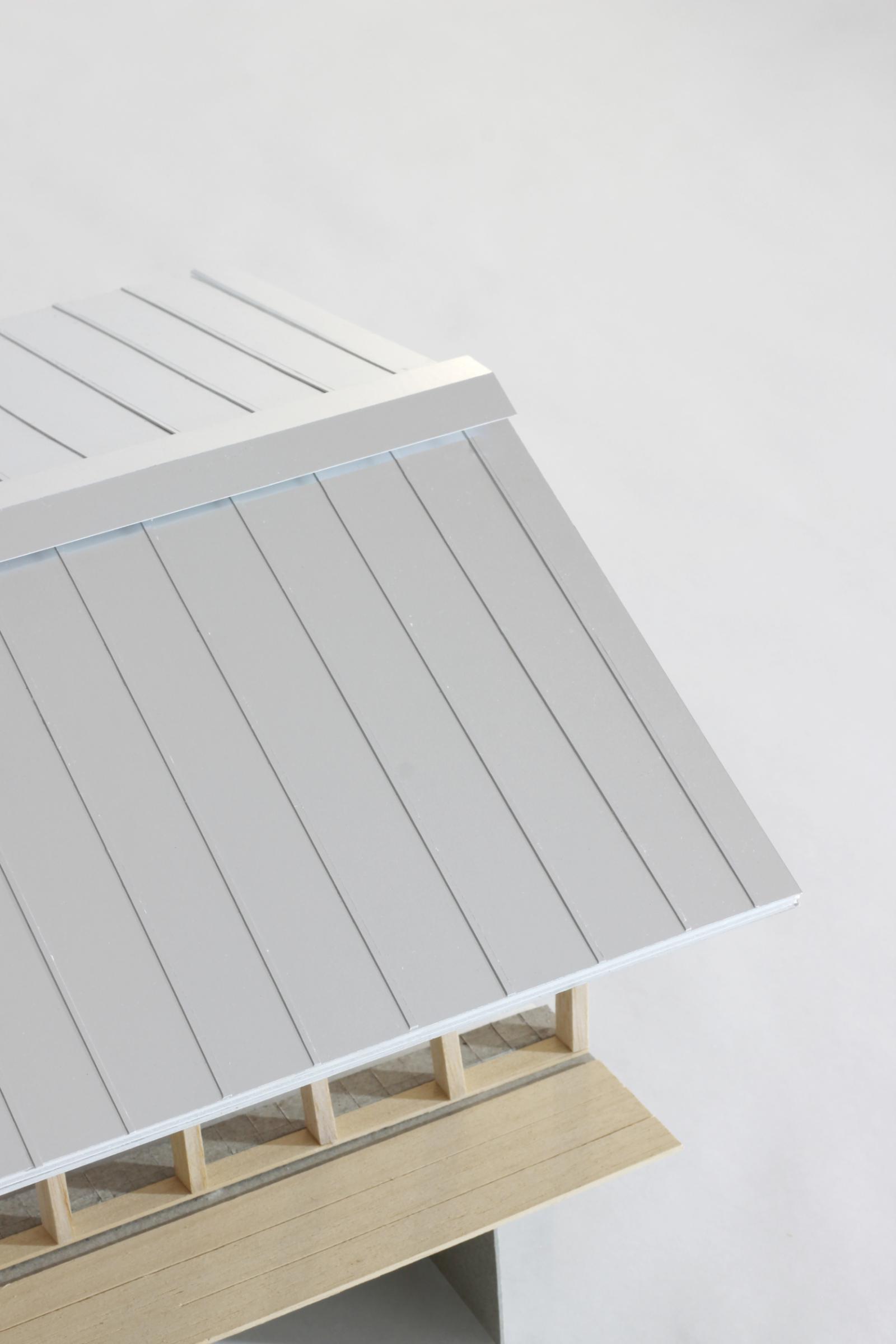
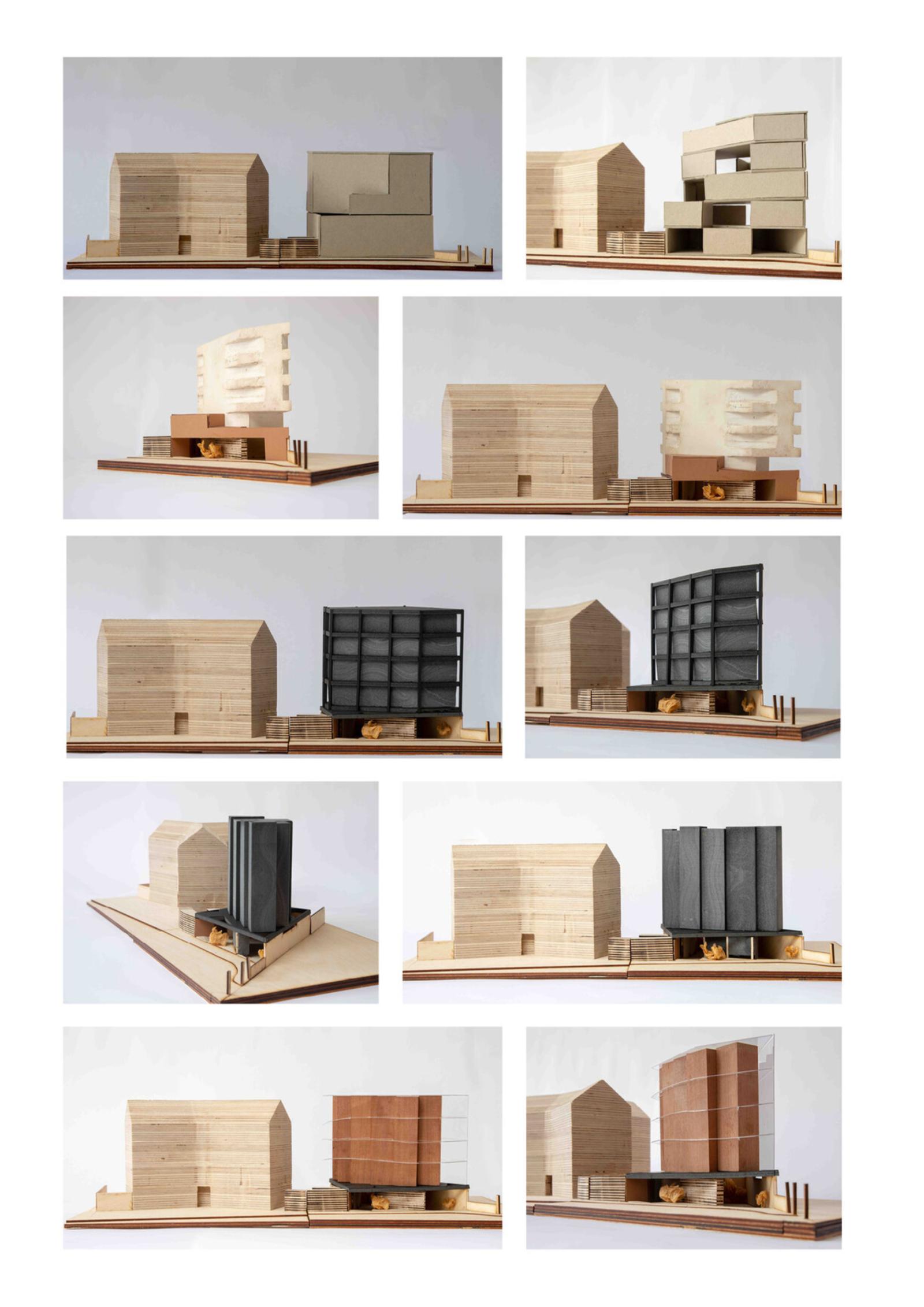
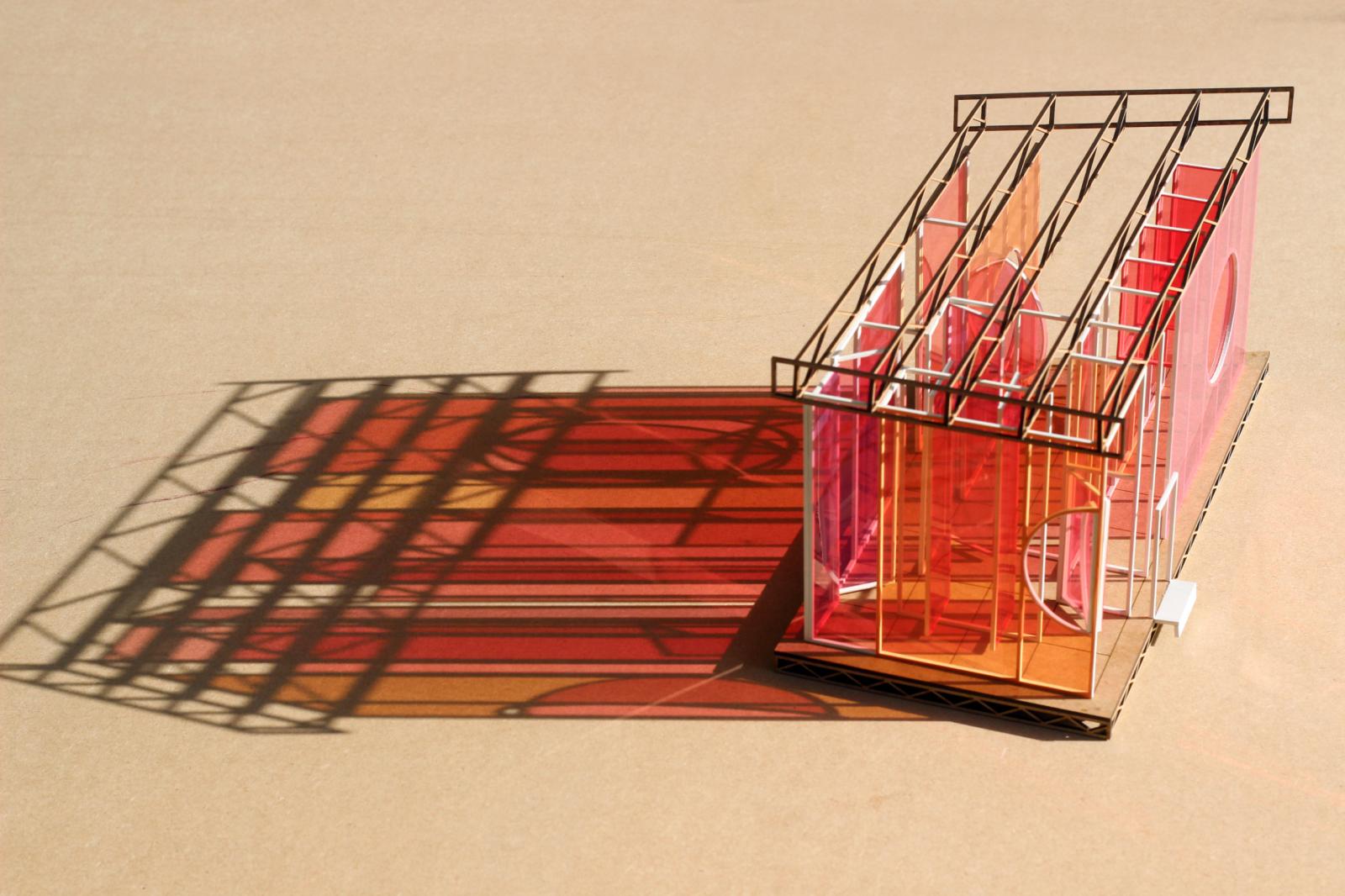
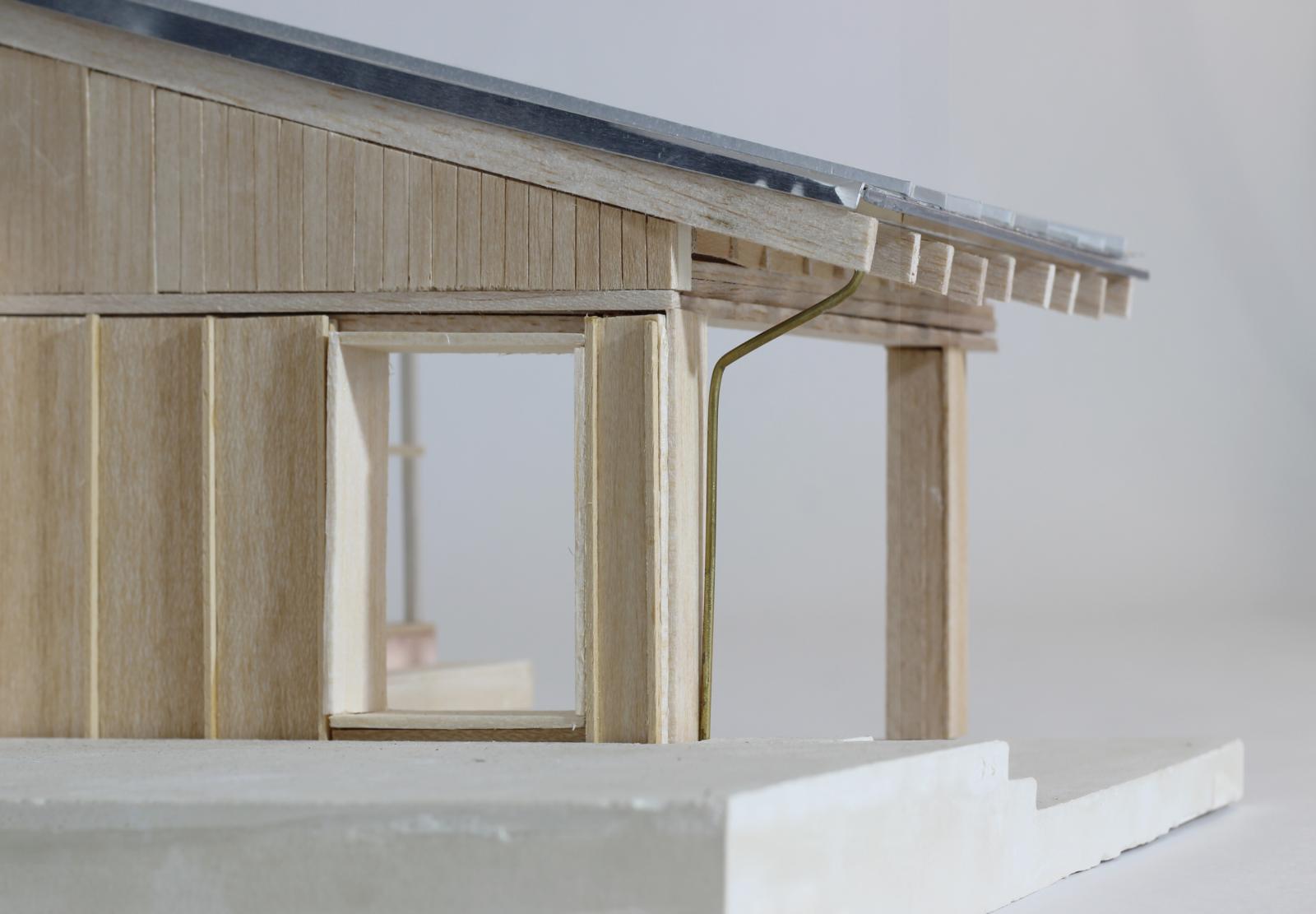
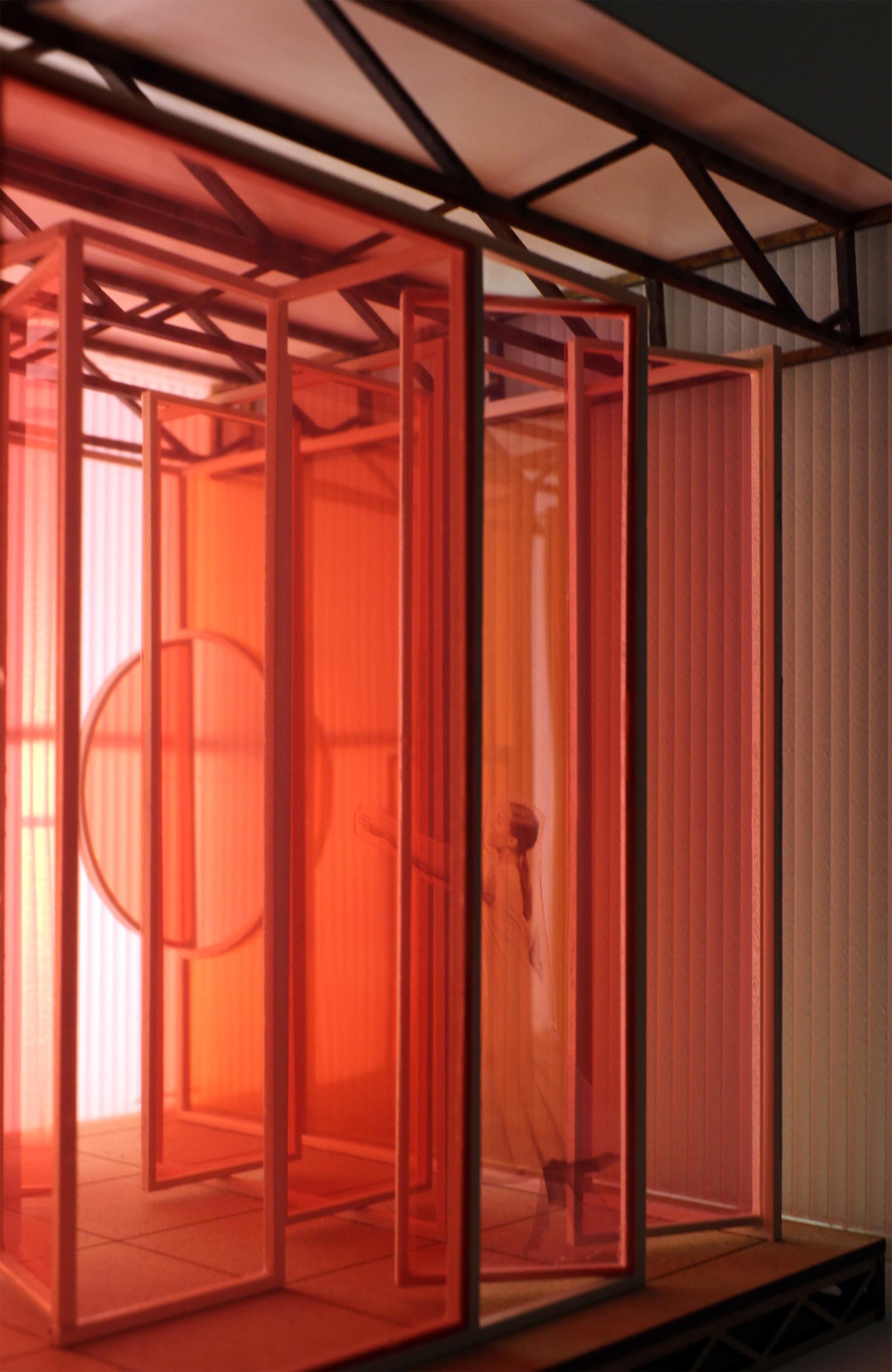
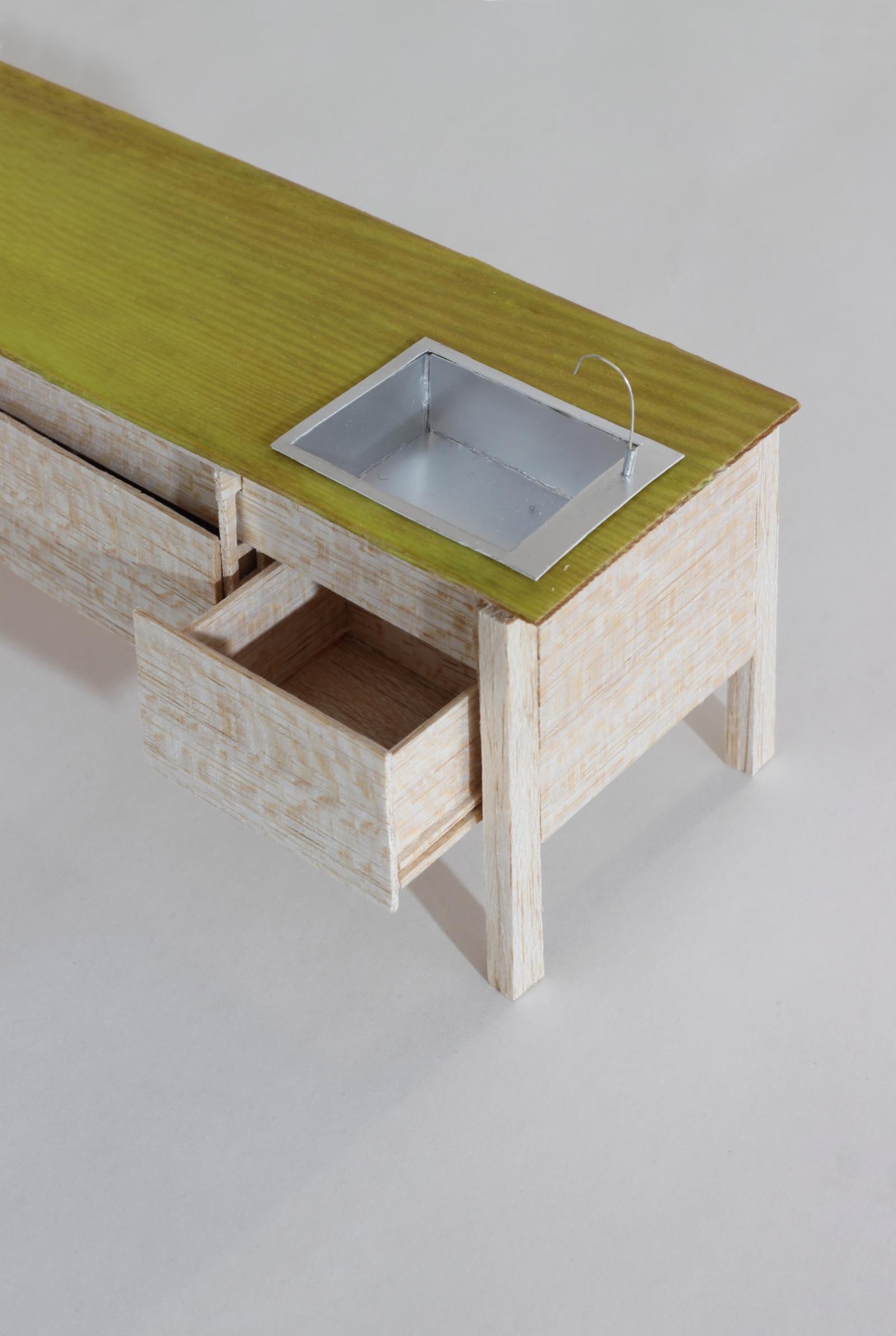
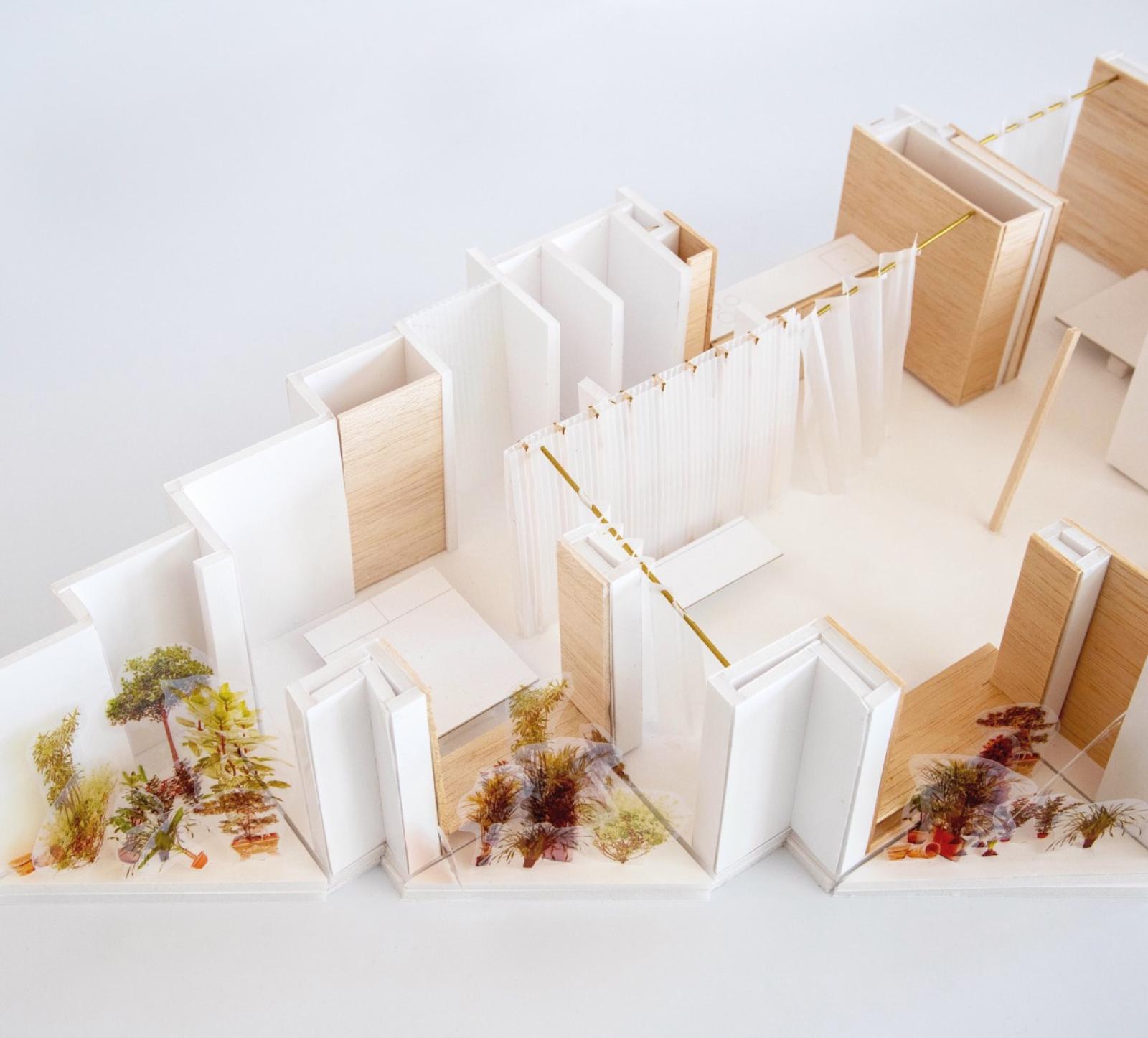
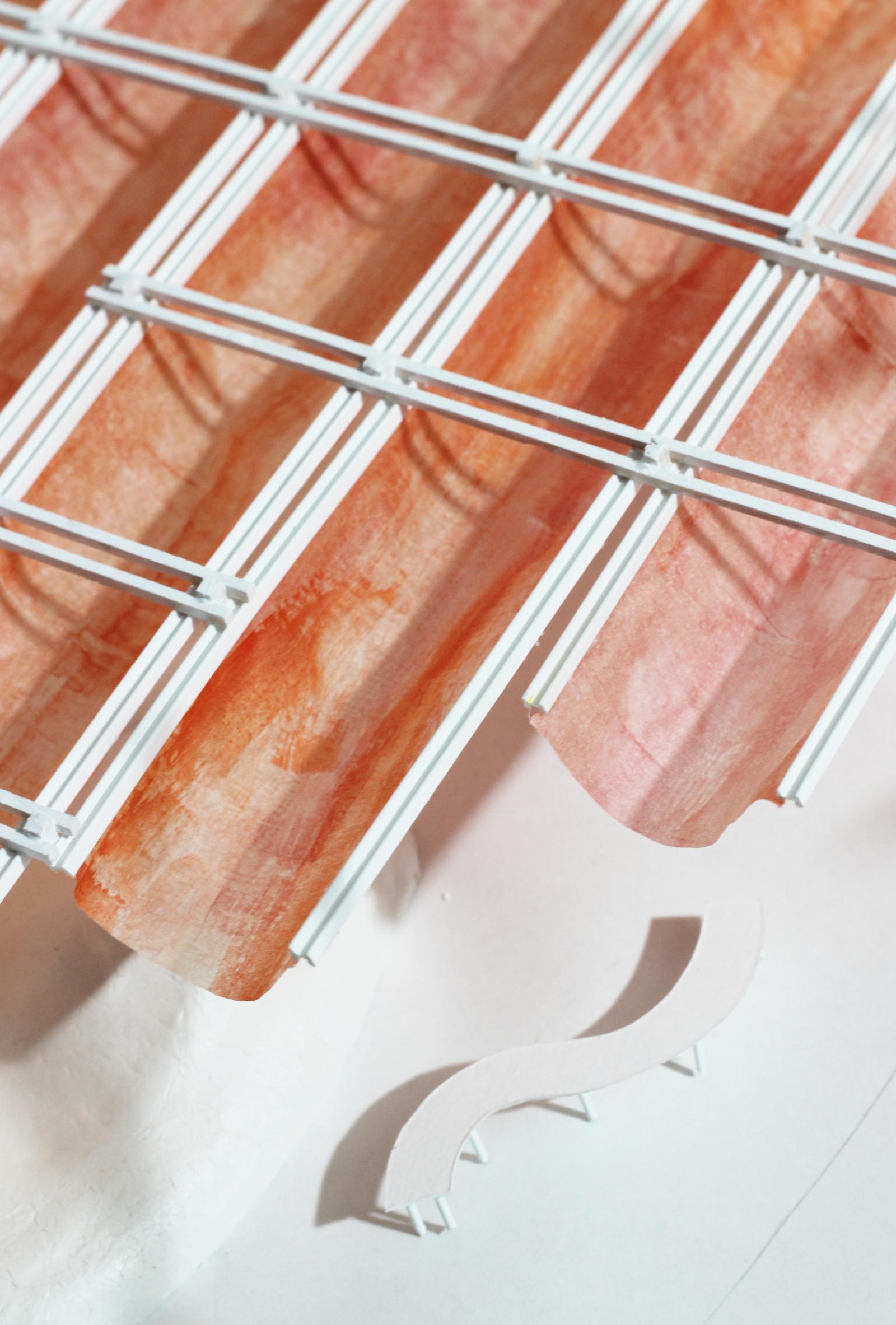
At times, a purposeful simplification or limitation, a stripping back to volume and plane where great programmatic focus can be achieved and boundaries, enclosures, openings and obstructions can be made visible. At other times, a more laborious approach can be undertaken, an intent to capture particular spatial qualities, of depth, texture, thickness and light. And greater still, we can embody the fabrication process, a mimicry of construction, as we cast, saw, cut, pin, slot, adhere, sand and glaze; where we can learn the craft and weight of a building as a consequence of our designs beyond the page.
Why we model in a time of AI efficiency
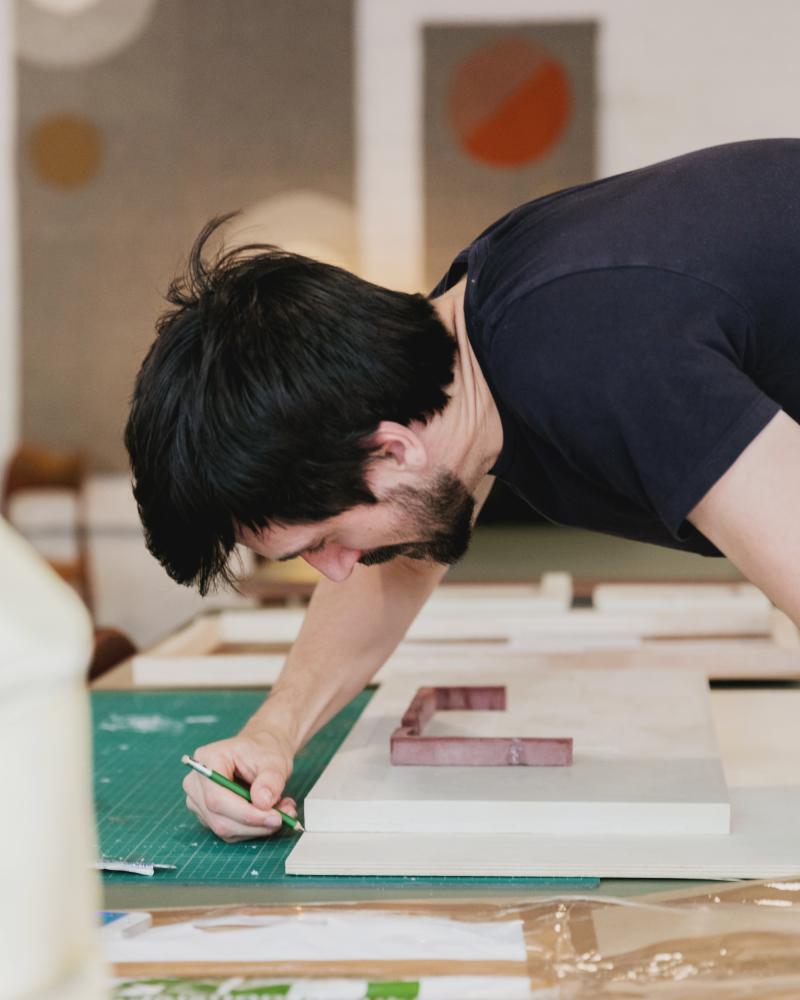
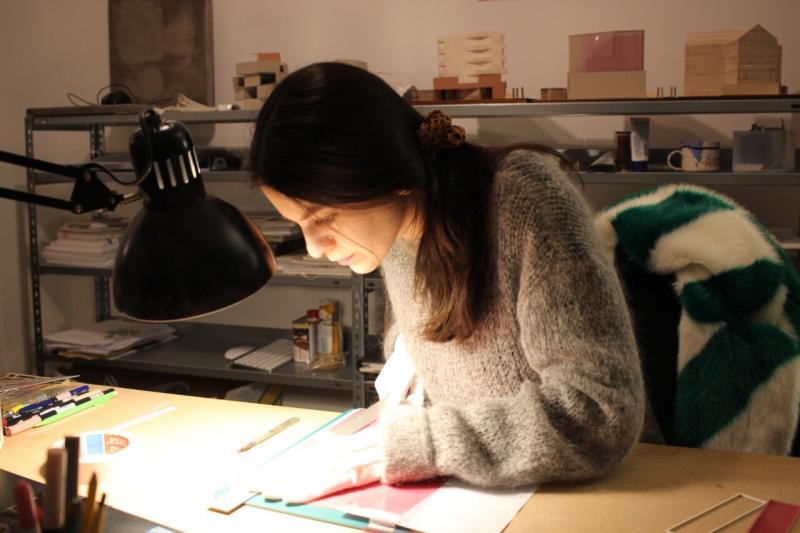
It might be said, in these times, that like the end result, our process must represent an expression of the human spirit. Namely, the manner in which architecture is produced, how we spend our time, is as important as the outcome. Such ways of thinking are contradictory to the laws of commerce and efficiency. So those who continue to model, labour and indulge are making a silent protest in order to be a bit more human.
Models are made in the studio by the team, at varying scales and complexity, sometimes meticulously over long periods and at other times at great speed, using a variety of methods and materials, from paper to plaster to 3D printing. Always a test bed, variously used for development, iteration, materials, representation, communication, or simply manifesting an idea.
Connect with architects, modelmakers, and students worldwide. Showcase your work, discover networking opportunities, and be part of the future of architectural innovation that appreciates and preserves the use of physical modelmaking in personal and professional architectural design process.
Join architects and modelmakers around the world.
You'll be taken to the next stage of the sign up process where you can provide more details about your practice.