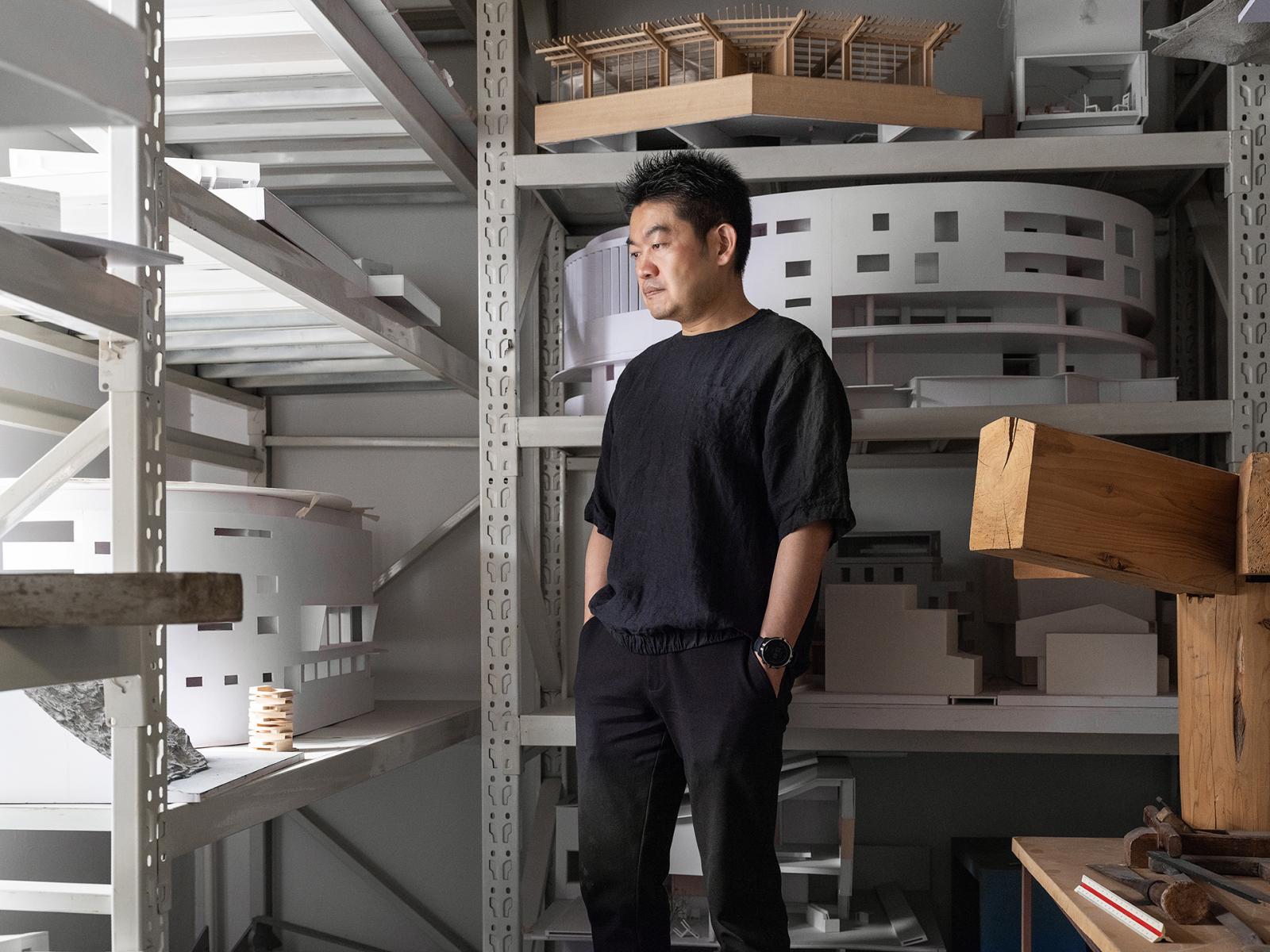
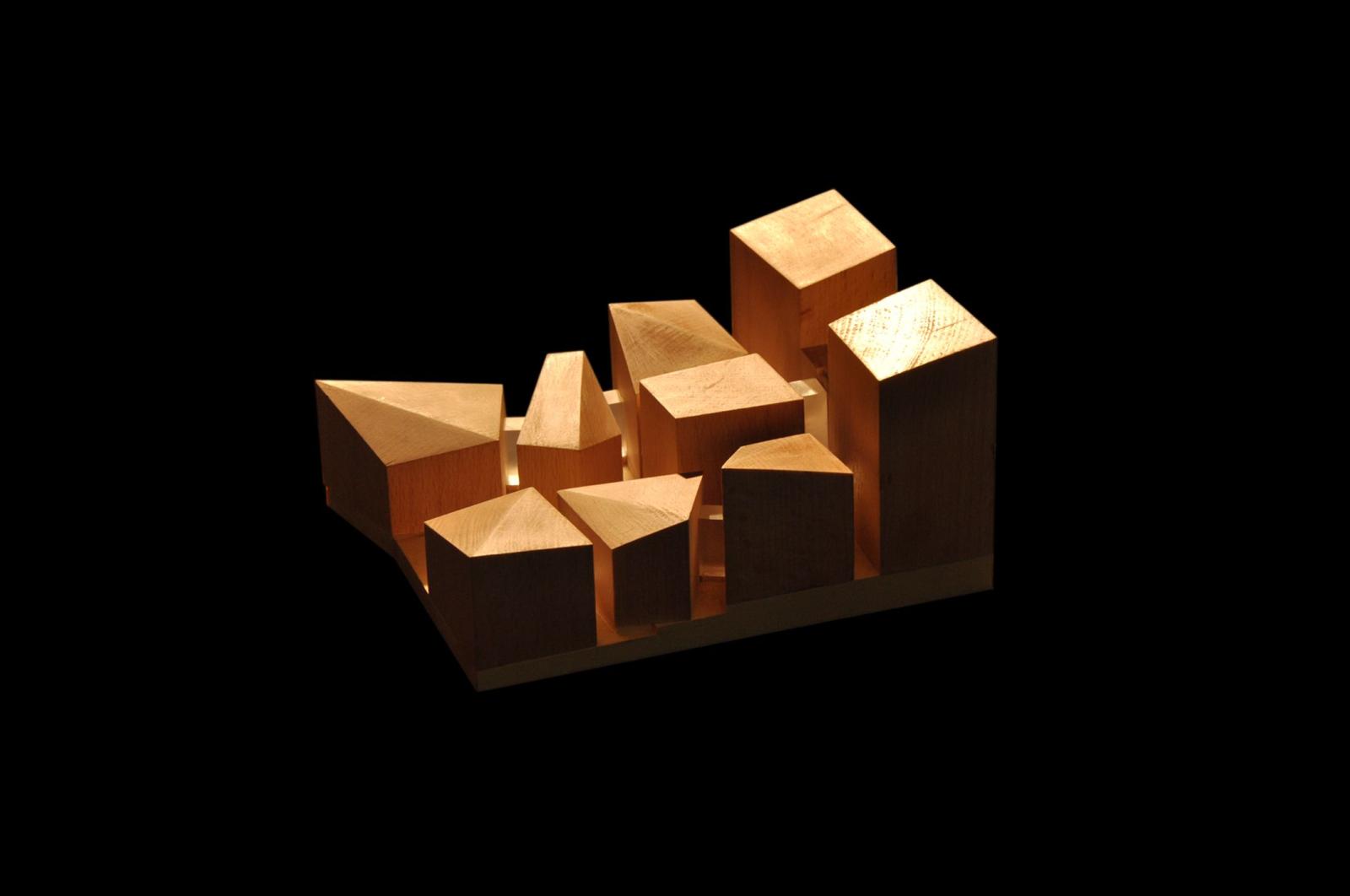
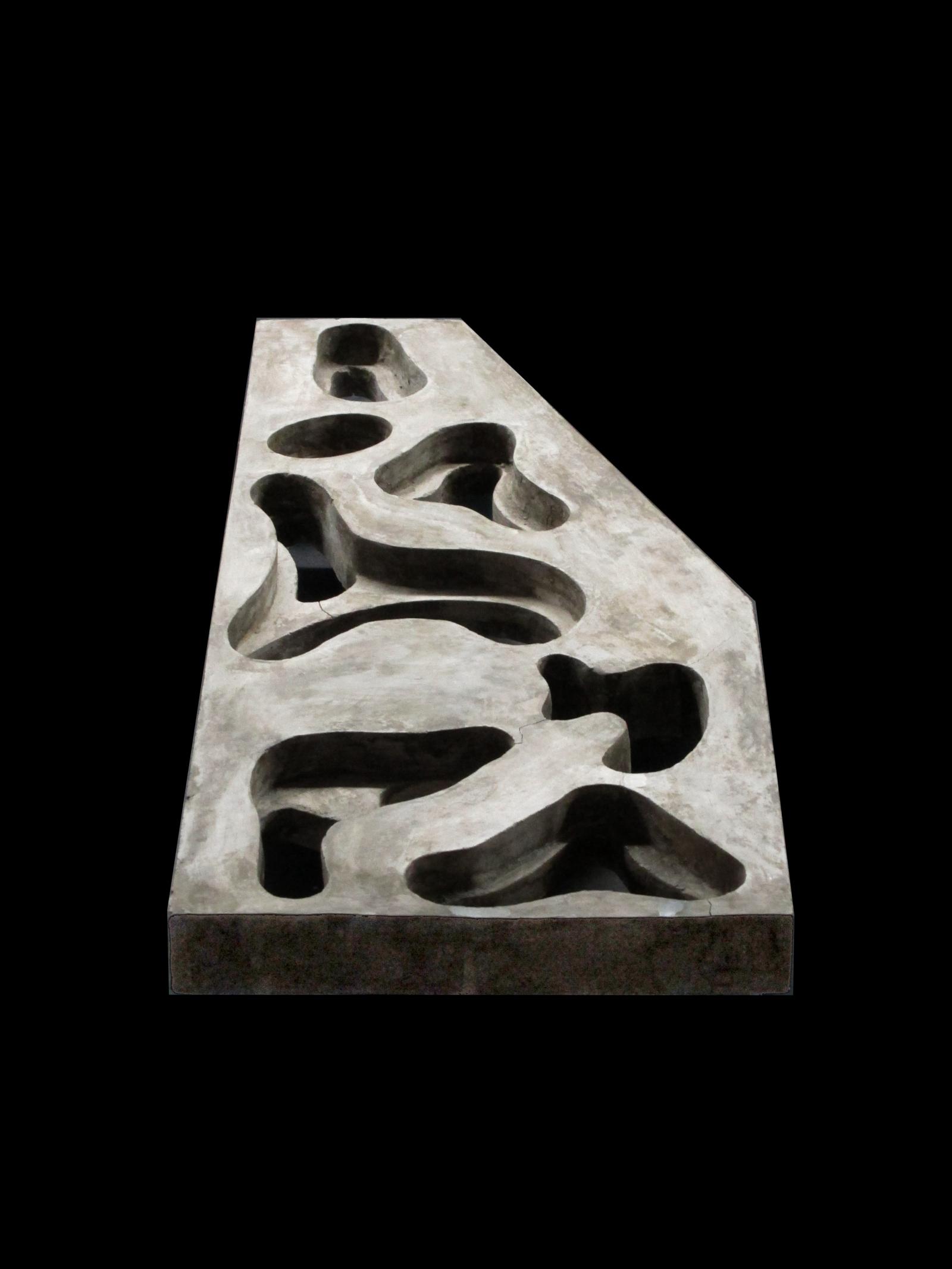
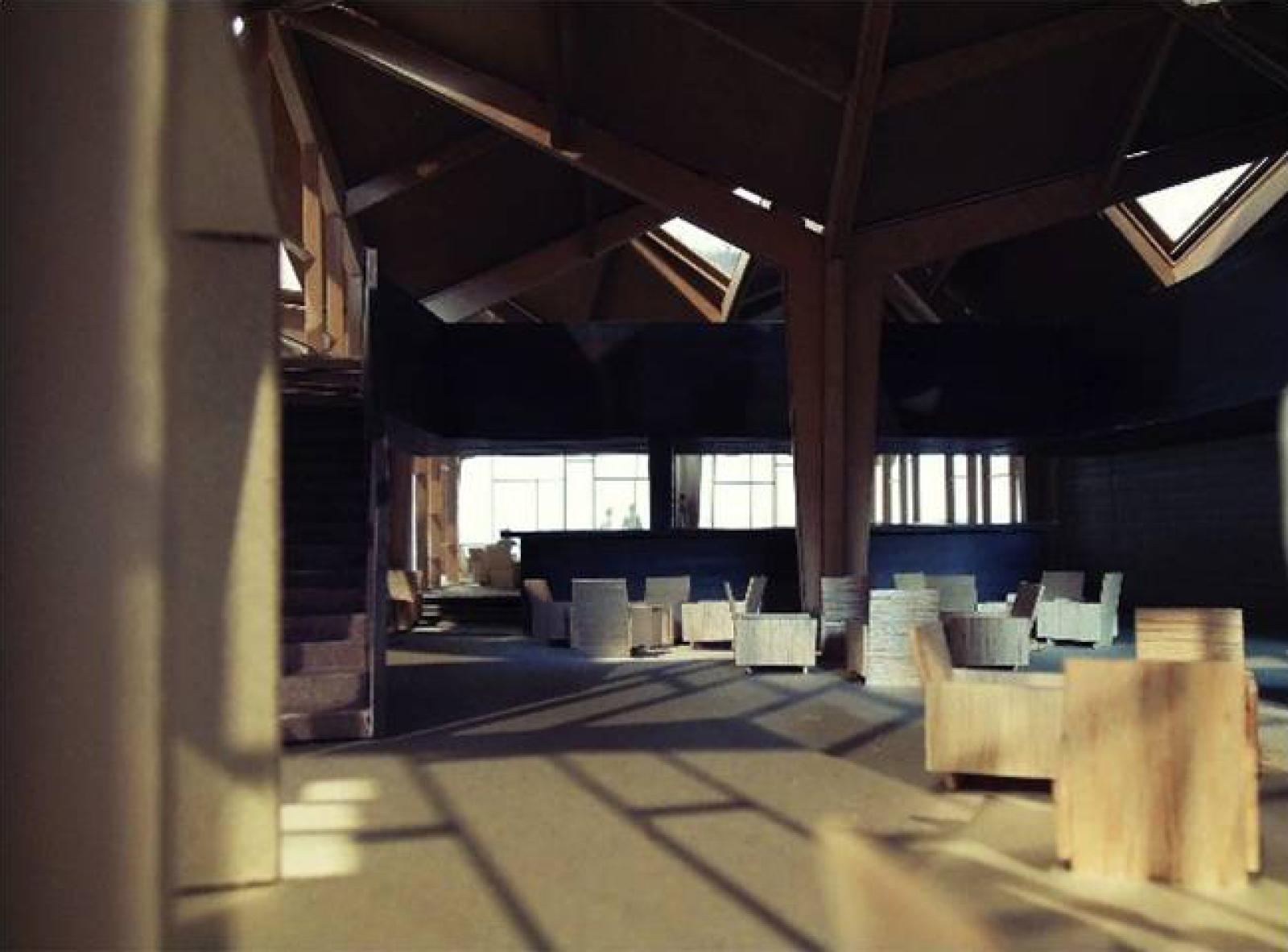
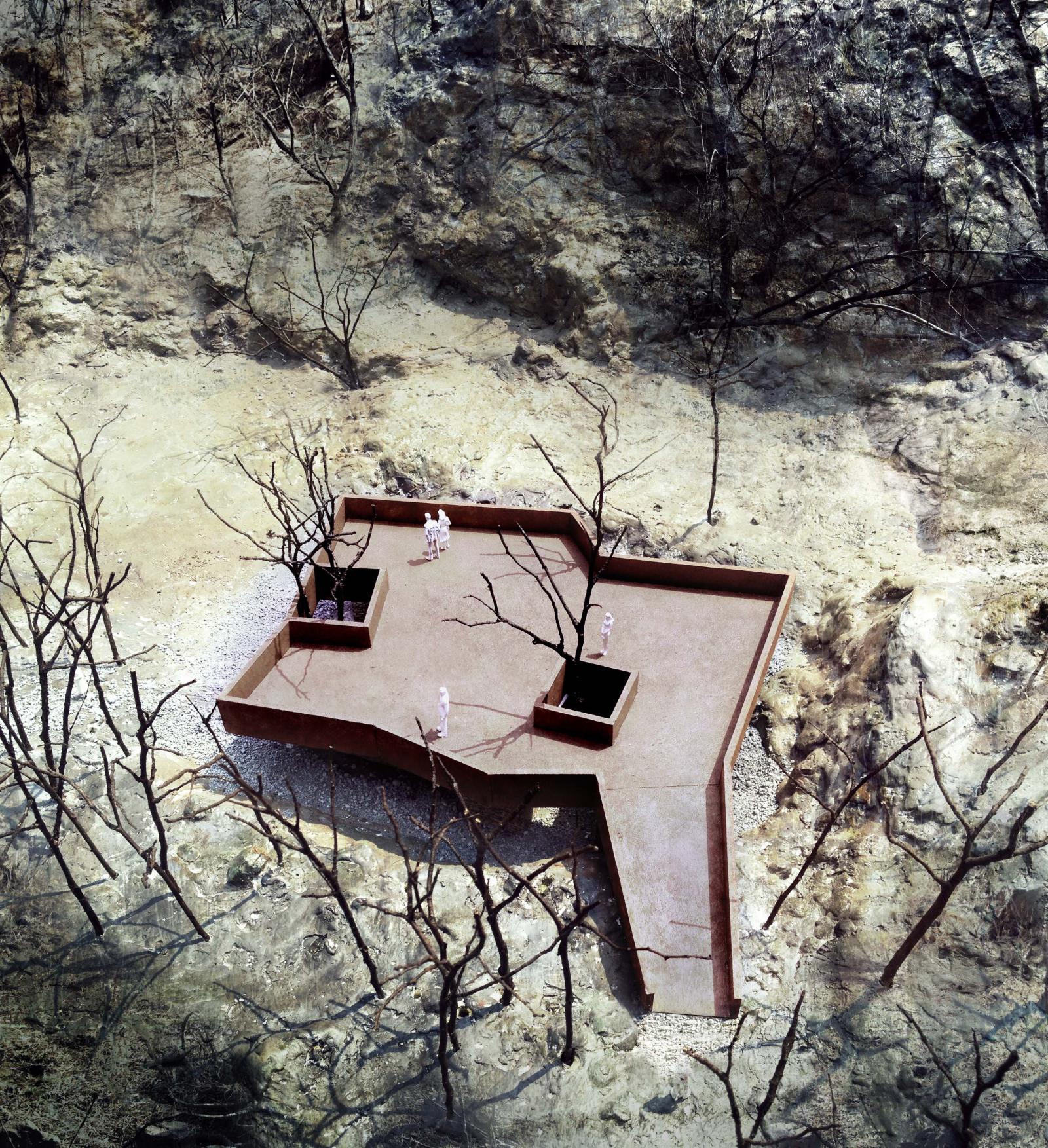
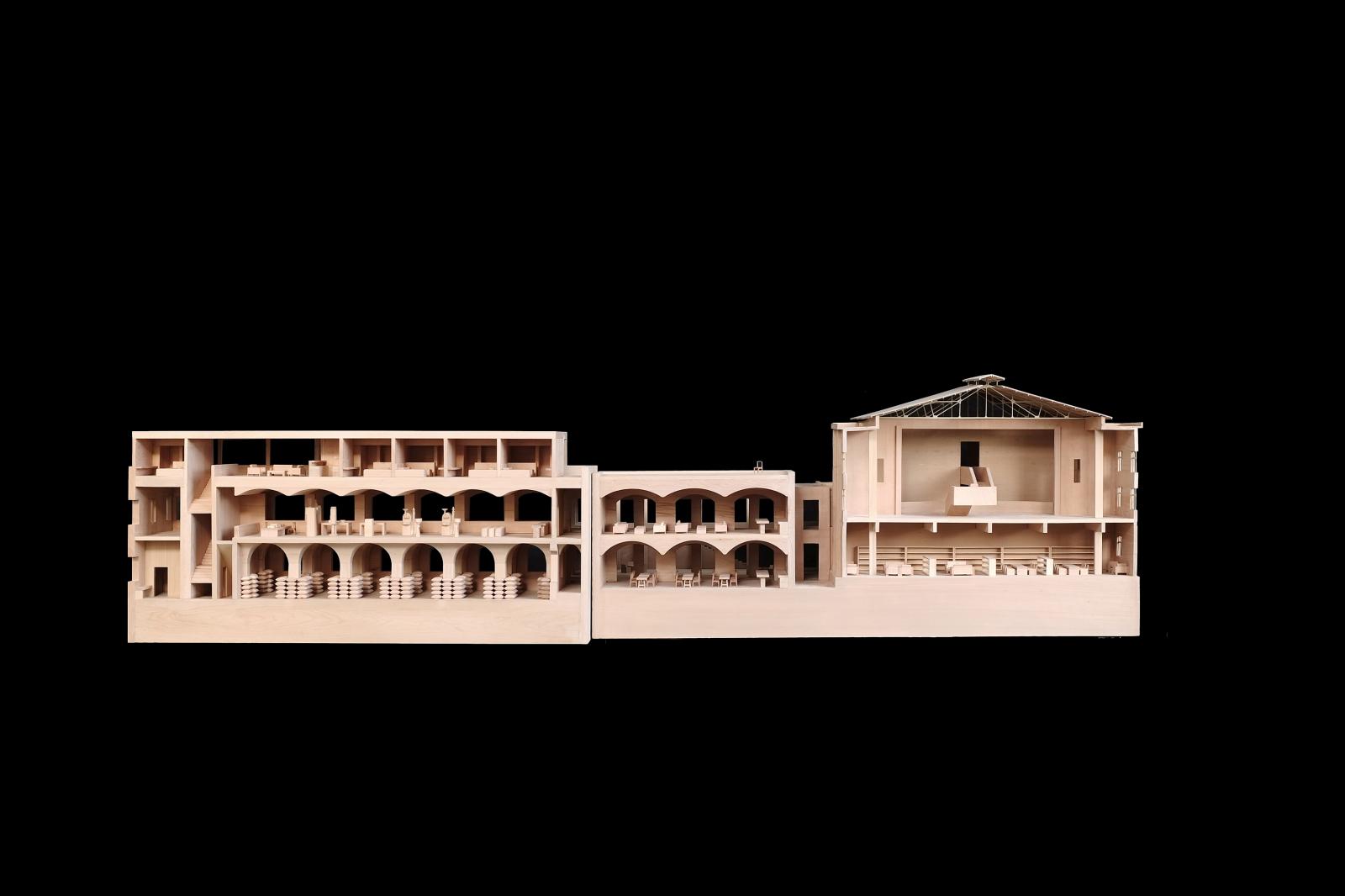
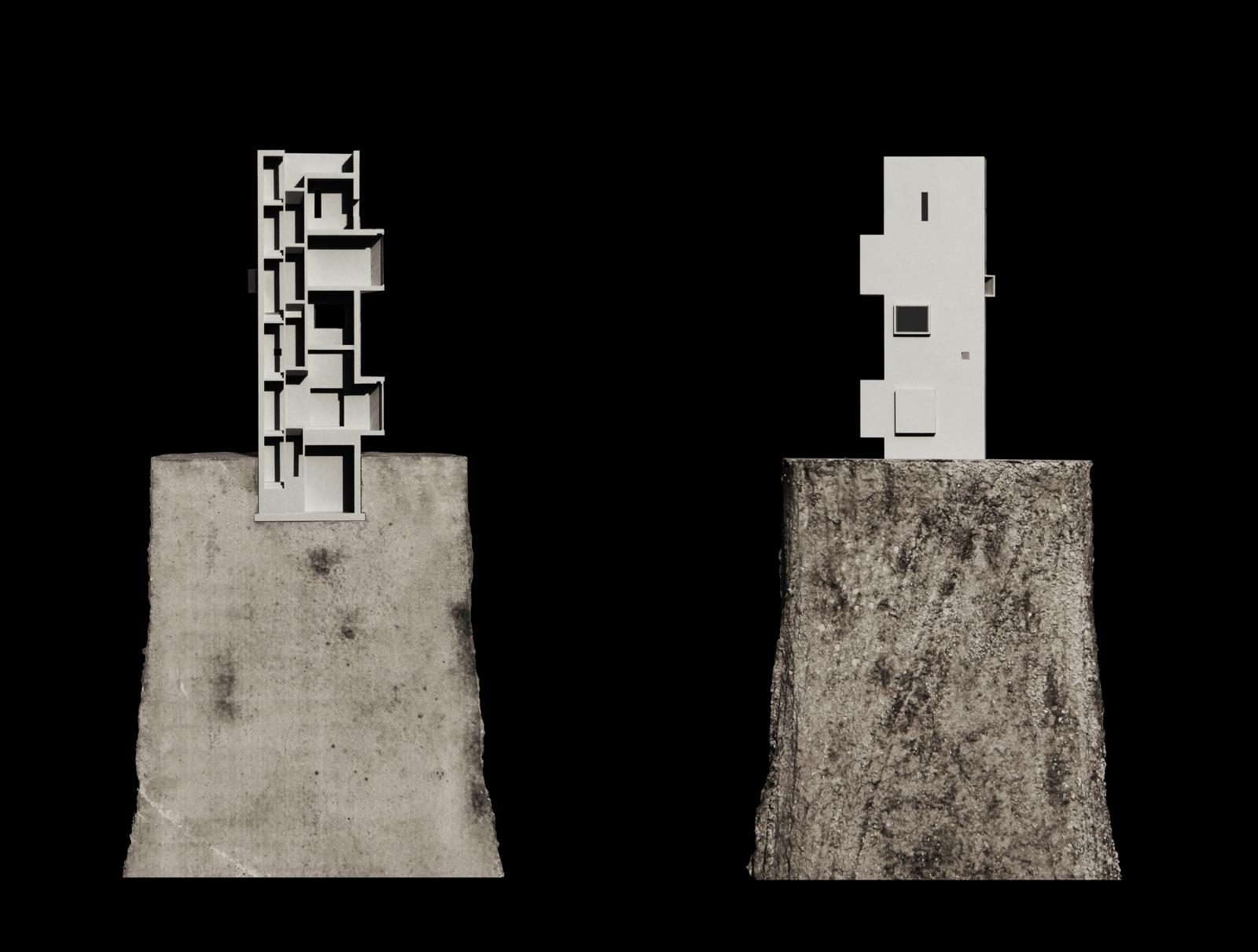
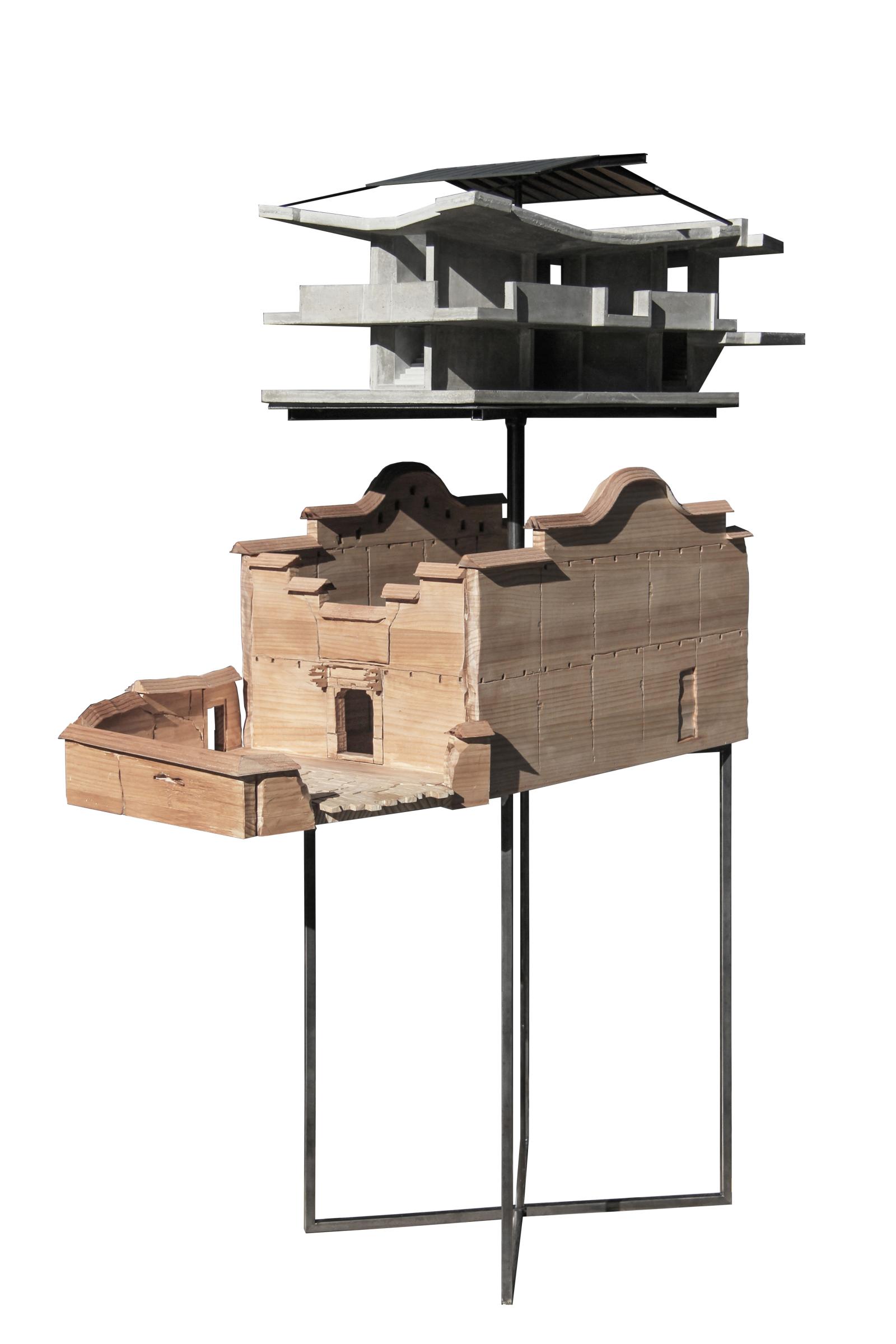
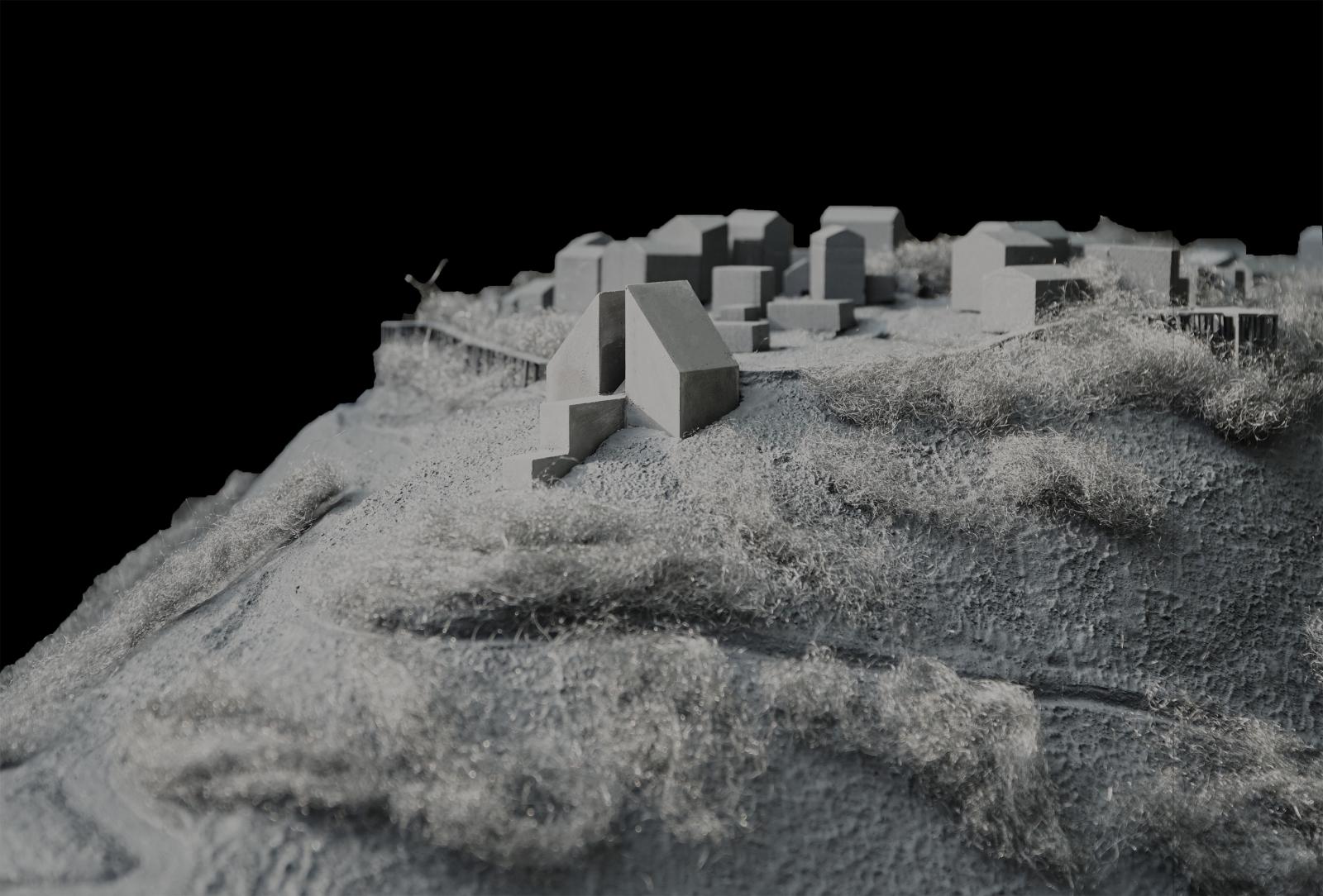
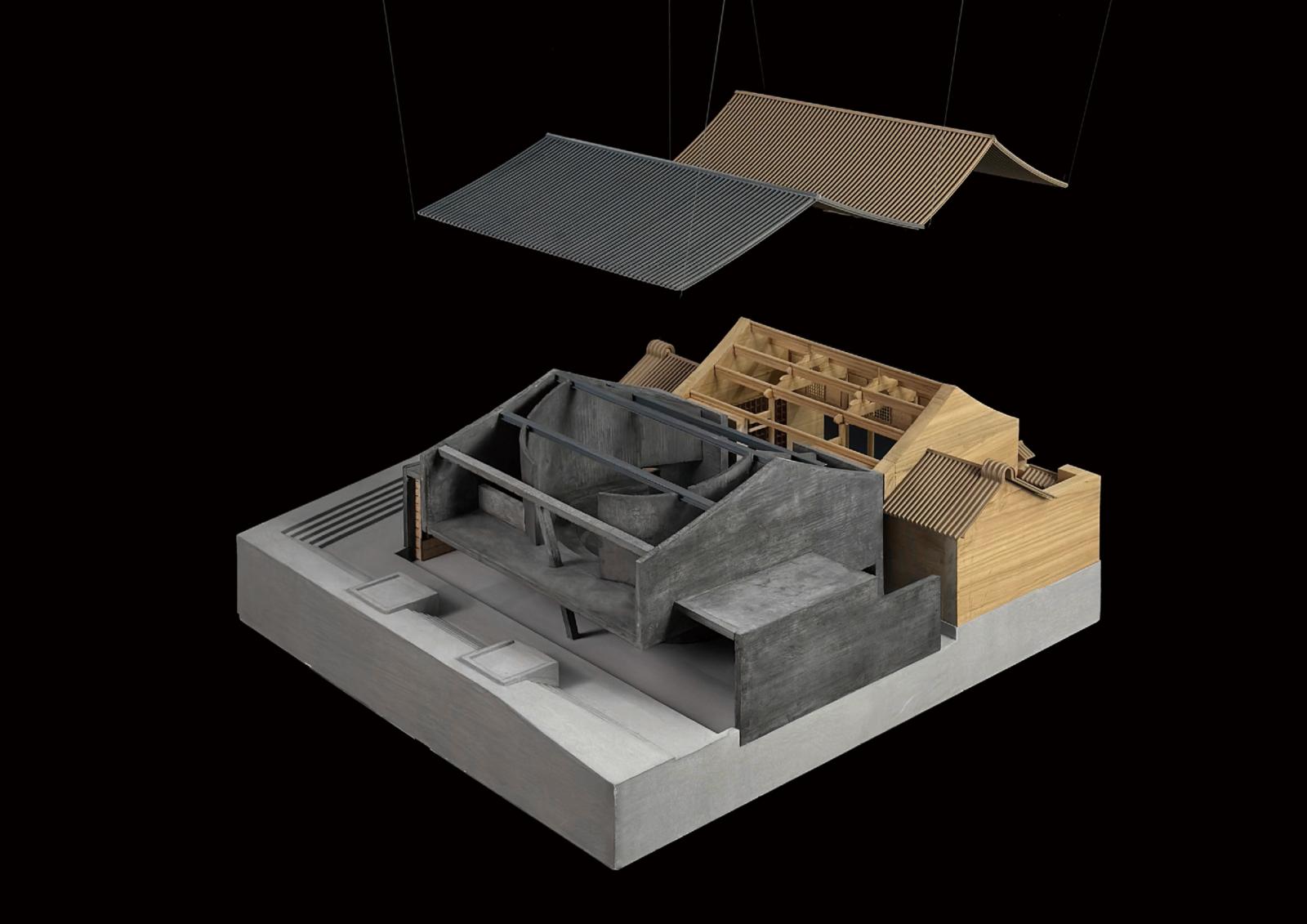
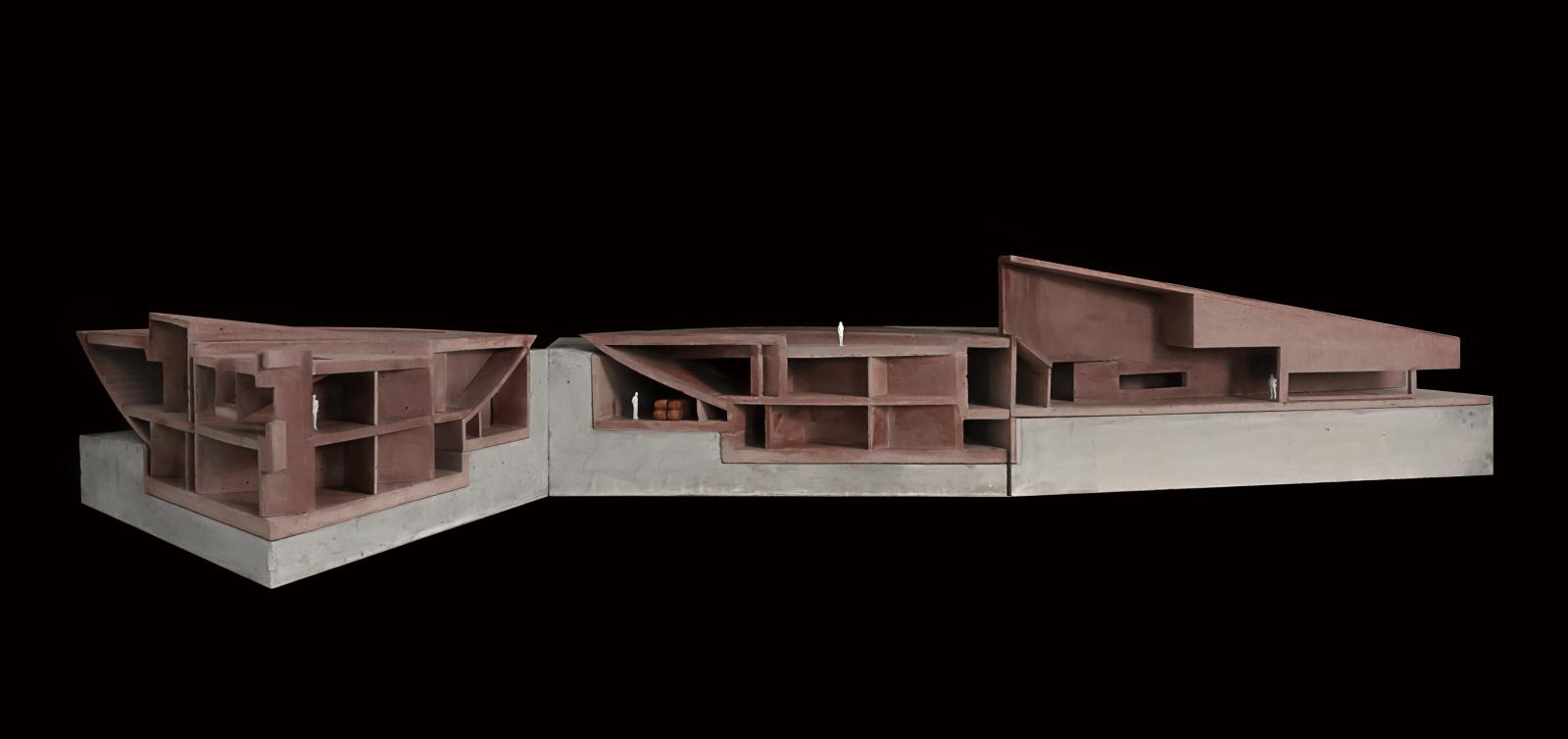
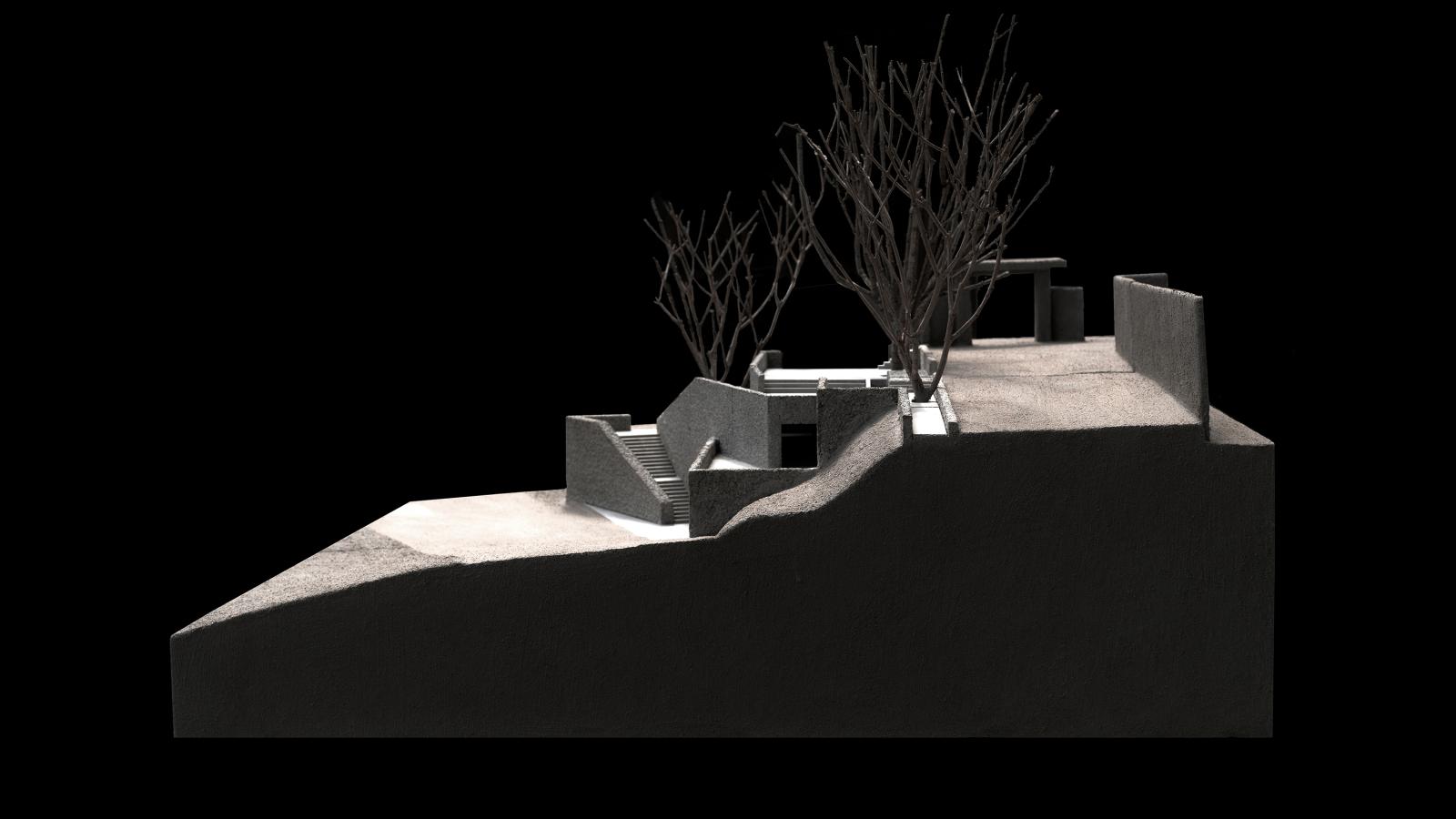
At the Beginning of a architectural design project, we typically construct a site model to familiarize ourselves with the atmosphere and spatial conditions of the context. During early design development, we produce massing or conceptual spatial models as efficiently as possible, using them in conjunction with the site model to support design decisions. In the mid-design phase, we create large-scale spatial models to refine the dimensions, materials, and construction logic of key interior and exterior spaces. Additionally, once the building is completed and prepared for publication, we develop a final presentation model—its form and emphasis determined by the specific qualities of the built work—to most effectively convey the character of the design.
Our model maker’s work extends from the beginning to the end of the design process, as nearly every project and every phase requires physical models for exploration. The project architect defines the scope and scale of each model, while the model maker advises on appropriate fabrication methods—ranging from quick foam and cardboard studies to cast-concrete models. After jointly testing the desired effects on partial mock-ups, the model maker ultimately applies the refined techniques to the full model.
Connect with architects, modelmakers, and students worldwide. Showcase your work, discover networking opportunities, and be part of the future of architectural innovation that appreciates and preserves the use of physical modelmaking in personal and professional architectural design process.
Join architects and modelmakers around the world.
You'll be taken to the next stage of the sign up process where you can provide more details about your practice.